
Science
German Scientists Set to Achieve Full Human Brain Simulation

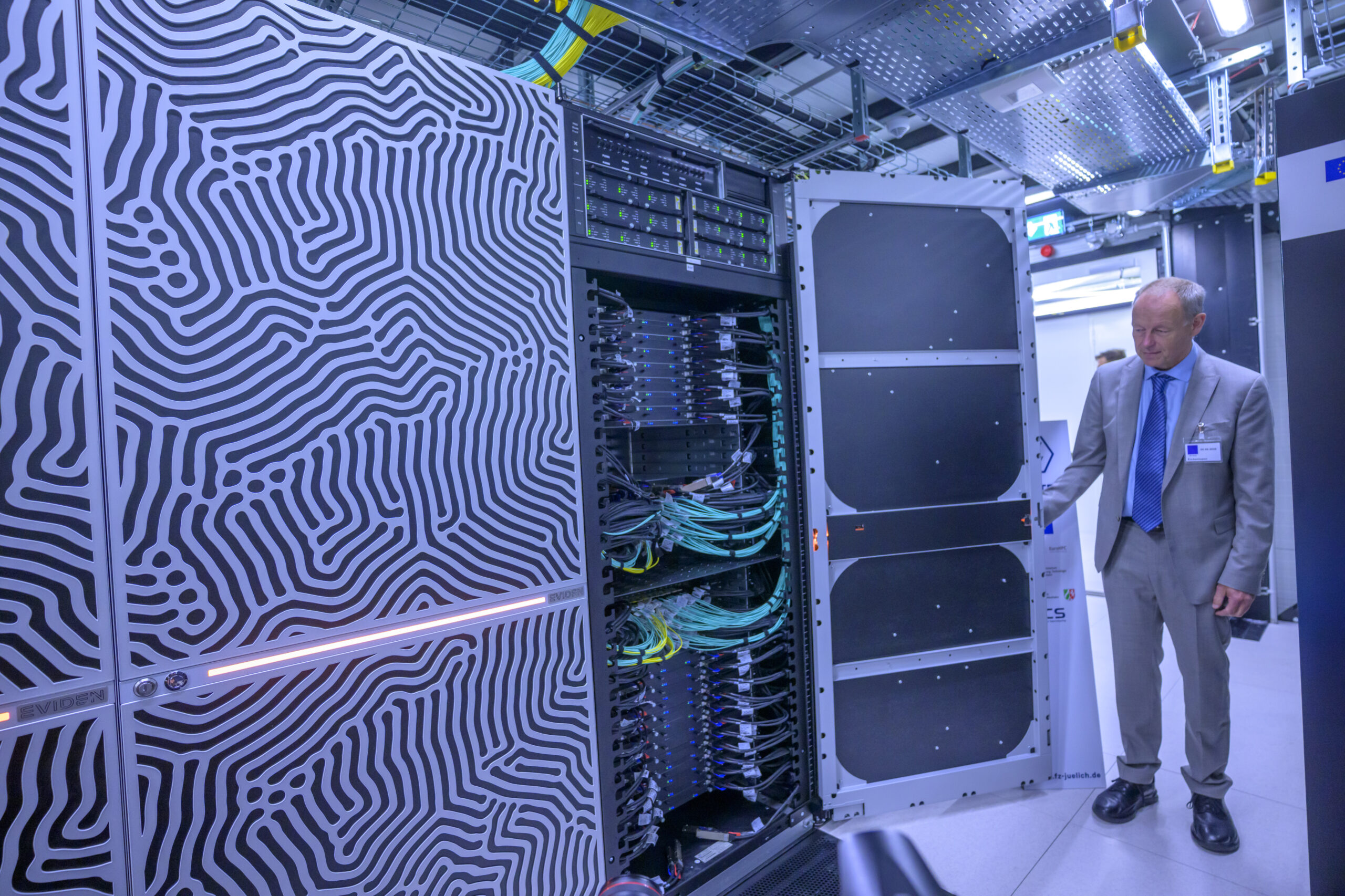
A team of scientists in Germany is making significant strides towards creating a complete simulation of the human brain using advanced supercomputing technology. This ambitious project aims to overcome the challenges that have hindered similar efforts, particularly those faced by the decade-old Human Brain Project, which has struggled with limitations in data integration and processing power.
The new initiative seeks to leverage improvements in both hardware and software to map the brain’s intricate neural connections accurately. Researchers at the German Research Center for Artificial Intelligence (DFKI) have developed a novel approach that combines machine learning with extensive biological data to better understand how the brain processes information and controls cognitive functions.
Breaking New Ground in Neuroscience
This breakthrough effort stands to enhance our understanding of the human brain, potentially leading to advances in treating neurological disorders. The German team believes that by simulating the entire brain, they can provide insights into complex cognitive processes, ranging from memory to emotion regulation. The project is expected to require substantial computing power, which is currently made possible through collaborations with leading supercomputing facilities across Europe.
The implications of a complete brain simulation extend beyond neuroscience. Researchers anticipate applications in artificial intelligence, where understanding the brain’s functioning could lead to more sophisticated algorithms and machine learning models. European Union funding has been secured to support this research, reflecting the growing recognition of its potential to influence various sectors, including healthcare and technology.
Addressing Ethical Considerations
As this research progresses, ethical considerations surrounding brain simulations are gaining attention. Questions regarding the implications of replicating cognitive functions raise significant ethical dilemmas. The team emphasizes the importance of addressing these concerns early in the research process to ensure responsible development and applications of the technology.
In summary, the German team’s endeavor to create a full human brain simulation marks an important milestone in neuroscience and technology. If successful, this initiative could pave the way for groundbreaking advancements in our understanding of the brain and its myriad functions, while also prompting critical discussions around the ethical implications of such powerful technology.









Revolutionary Photonic Ski-Jump Could Miniaturize LiDAR Systems

Couples Detox from Plastics in New Netflix Doc: Can It Boost Fertility?

Aventon Launches Affordable Full-Suspension Electric Mountain Bike

Discover Eight Must-Try Restaurants This Spring Season

UC Irvine Team Unveils Innovative Ion Pump for Water Treatment

One-Third of Americans Trim Daily Expenses for Healthcare Needs

Apple Secures First Oscar in Three Years with F1: The Movie

Fourth Graders Celebrate St. Patrick’s Day with Creative Weather Drawings

Kim Kardashian Dazzles at Vanity Fair Oscars Party 2026

Nostradamus’ 2026 Predictions: Star Death and Dark Events Loom

Breakthroughs and Challenges Await Science in 2026

Electric Moto Influencer Surronster Arrested in Tijuana

OpenAI to Implement Age Verification for ChatGPT by December 2025

Discover the Top 10 Calorie Counting Apps of 2025

Recovering a Suspended TikTok Account: A Step-by-Step Guide

Bella Hadid Shares Health Update After Treatment for Lyme Disease

Backpack Drives Equip Students with Supplies for New School Year

Analysts Project Stronger Growth for Apple’s iPhone 17 Lineup
-
 Science8 months ago
Nostradamus’ 2026 Predictions: Star Death and Dark Events Loom
-
 Science8 months ago
Breakthroughs and Challenges Await Science in 2026
-
 Technology11 months ago
Electric Moto Influencer Surronster Arrested in Tijuana
-
 Technology9 months ago
OpenAI to Implement Age Verification for ChatGPT by December 2025
-
 Technology1 year ago
Discover the Top 10 Calorie Counting Apps of 2025
-
 Technology1 year ago
Recovering a Suspended TikTok Account: A Step-by-Step Guide
-
 Health11 months ago
Bella Hadid Shares Health Update After Treatment for Lyme Disease
-
 Education1 year ago
Backpack Drives Equip Students with Supplies for New School Year
-
 Health12 months ago
Analysts Project Stronger Growth for Apple’s iPhone 17 Lineup
-

 Health12 months ago
Japanese Study Finds Rose Oil Can Increase Brain Gray Matter
-

 Technology8 months ago
Top 10 Penny Stocks to Watch in 2026 for Strong Returns
-

 Science10 months ago
Starship V3 Set for 2026 Launch After Successful Final Test of Version 2