
Technology
Trump Tariffs Push Vehicle Prices Up to $4,000, US Models Surge

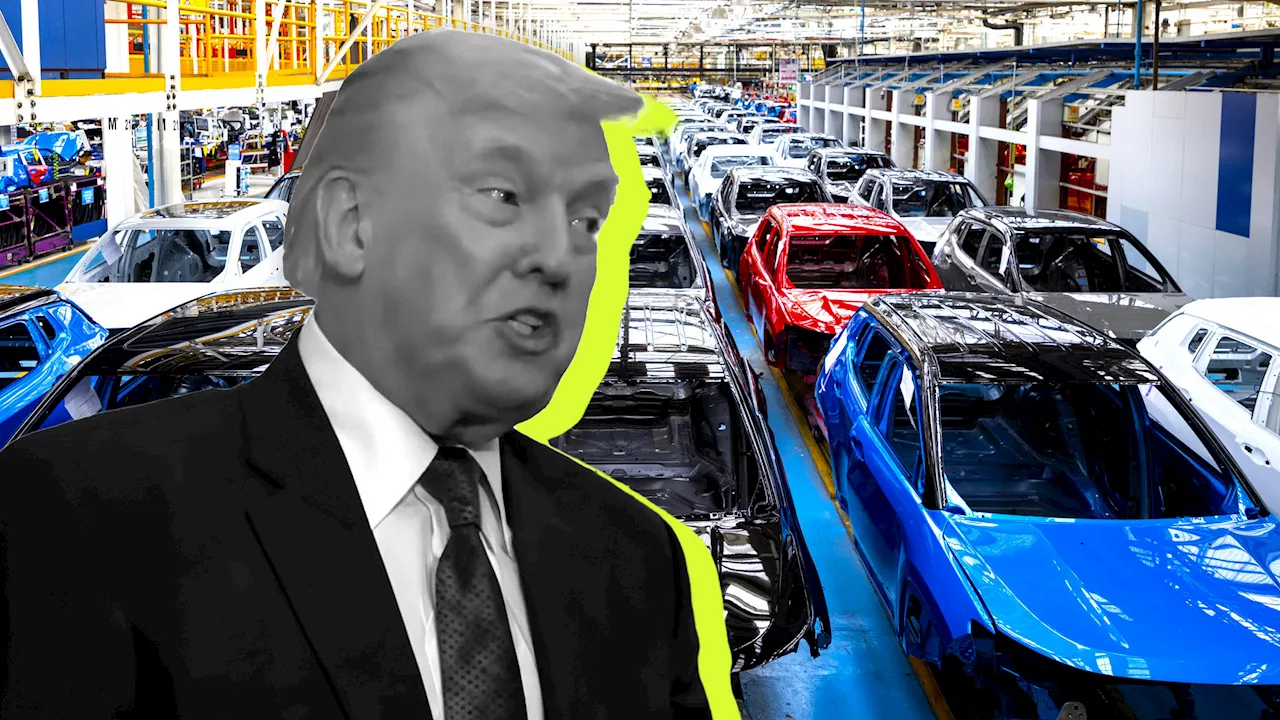
Recent findings indicate that the impact of tariffs imposed during Donald Trump’s presidency has led to significant price increases for vehicles, particularly those imported from Canada. According to a study by CatalystIQ, some Canadian-made vehicles have seen their manufacturer’s suggested retail prices (MSRPs) rise by nearly 10 percent, equating to an average increase of almost $4,000 since October 2025.
While the increase in prices is notable for Canadian-built vehicles, the effects of tariffs are not uniformly felt across all imports. Models manufactured in South Korea and the United States have held their prices relatively steady, contrasting sharply with those from Canada, Japan, Germany, and Mexico, which have experienced more pronounced hikes.
Tariff Impact on Vehicle Prices
CatalystIQ conducted a comprehensive analysis of millions of vehicle advertisements from late 2025 to early February 2026. The results revealed that Canadian models led the price surge, with sticker prices climbing by nearly 10 percent. For instance, Japanese vehicles saw an increase of about $3,300, while German cars experienced a rise of just over $2,800. Mexican-made vehicles also faced price hikes, averaging more than $1,500.
Interestingly, South Korean vehicles managed to maintain lower prices, with some even experiencing slight decreases. US-built models, as anticipated, avoided the upward pricing trend. Rick Wainschel, Vice President of Analytics at CatalystIQ, remarked on the initial predictions surrounding the tariffs, stating that while forecasts anticipated price increases of $5,000 to $8,000, the actual situation turned out to be more complex, with many manufacturers opting for a measured response.
Automakers initially adopted a cautious approach, refraining from immediate price adjustments when the tariffs were first introduced. Instead, they appear to have incorporated the increased costs into model year updates. The latest model year changeover was approximately $1,200 more aggressive on a weighted average compared to the previous year.
Market Shifts and Profit Margins
The implications of these price increases are also beginning to influence market dynamics. Recent data suggests that US-built vehicles are expected to represent over 55 percent of total sales this month, marking a 4 percentage point increase year-over-year. Although affected automakers have absorbed much of the tariff burden, this strategy has squeezed profit margins significantly.
A recent analysis by the Federal Reserve Bank of Chicago, citing Bain & Company, highlighted the financial toll of this approach. It noted that automotive companies’ earnings before interest and taxes (EBIT) margins dropped from 8.1 percent in mid-2024 to 3.9 percent during the first three quarters of 2025. This decline occurred as manufacturers shielded consumers from the full impact of tariffs, while federal tariff collections surged to nearly $125 billion since October 1, 2025.
As the automotive market continues to adjust to these tariff-related changes, the long-term viability of absorbing such costs remains uncertain. Some executives, including those from Toyota, have acknowledged that the current strategy of absorbing tariffs cannot be sustained indefinitely. The evolving landscape of vehicle pricing and market share will likely continue to unfold in the coming months as automakers navigate these challenges.












Revolutionary Photonic Ski-Jump Could Miniaturize LiDAR Systems

Couples Detox from Plastics in New Netflix Doc: Can It Boost Fertility?

Aventon Launches Affordable Full-Suspension Electric Mountain Bike

Discover Eight Must-Try Restaurants This Spring Season

UC Irvine Team Unveils Innovative Ion Pump for Water Treatment

One-Third of Americans Trim Daily Expenses for Healthcare Needs

Apple Secures First Oscar in Three Years with F1: The Movie

Fourth Graders Celebrate St. Patrick’s Day with Creative Weather Drawings

Kim Kardashian Dazzles at Vanity Fair Oscars Party 2026

Nostradamus’ 2026 Predictions: Star Death and Dark Events Loom

Breakthroughs and Challenges Await Science in 2026

Electric Moto Influencer Surronster Arrested in Tijuana

OpenAI to Implement Age Verification for ChatGPT by December 2025

Discover the Top 10 Calorie Counting Apps of 2025

Recovering a Suspended TikTok Account: A Step-by-Step Guide

Bella Hadid Shares Health Update After Treatment for Lyme Disease

Backpack Drives Equip Students with Supplies for New School Year

Analysts Project Stronger Growth for Apple’s iPhone 17 Lineup
-
 Science8 months ago
Nostradamus’ 2026 Predictions: Star Death and Dark Events Loom
-
 Science8 months ago
Breakthroughs and Challenges Await Science in 2026
-
 Technology11 months ago
Electric Moto Influencer Surronster Arrested in Tijuana
-
 Technology9 months ago
OpenAI to Implement Age Verification for ChatGPT by December 2025
-
 Technology1 year ago
Discover the Top 10 Calorie Counting Apps of 2025
-
 Technology1 year ago
Recovering a Suspended TikTok Account: A Step-by-Step Guide
-
 Health11 months ago
Bella Hadid Shares Health Update After Treatment for Lyme Disease
-
 Education1 year ago
Backpack Drives Equip Students with Supplies for New School Year
-
 Health12 months ago
Analysts Project Stronger Growth for Apple’s iPhone 17 Lineup
-

 Health12 months ago
Japanese Study Finds Rose Oil Can Increase Brain Gray Matter
-

 Technology8 months ago
Top 10 Penny Stocks to Watch in 2026 for Strong Returns
-

 Science10 months ago
Starship V3 Set for 2026 Launch After Successful Final Test of Version 2