
Technology
Musk Critiques Waymo as Power Outage Disrupts San Francisco Traffic

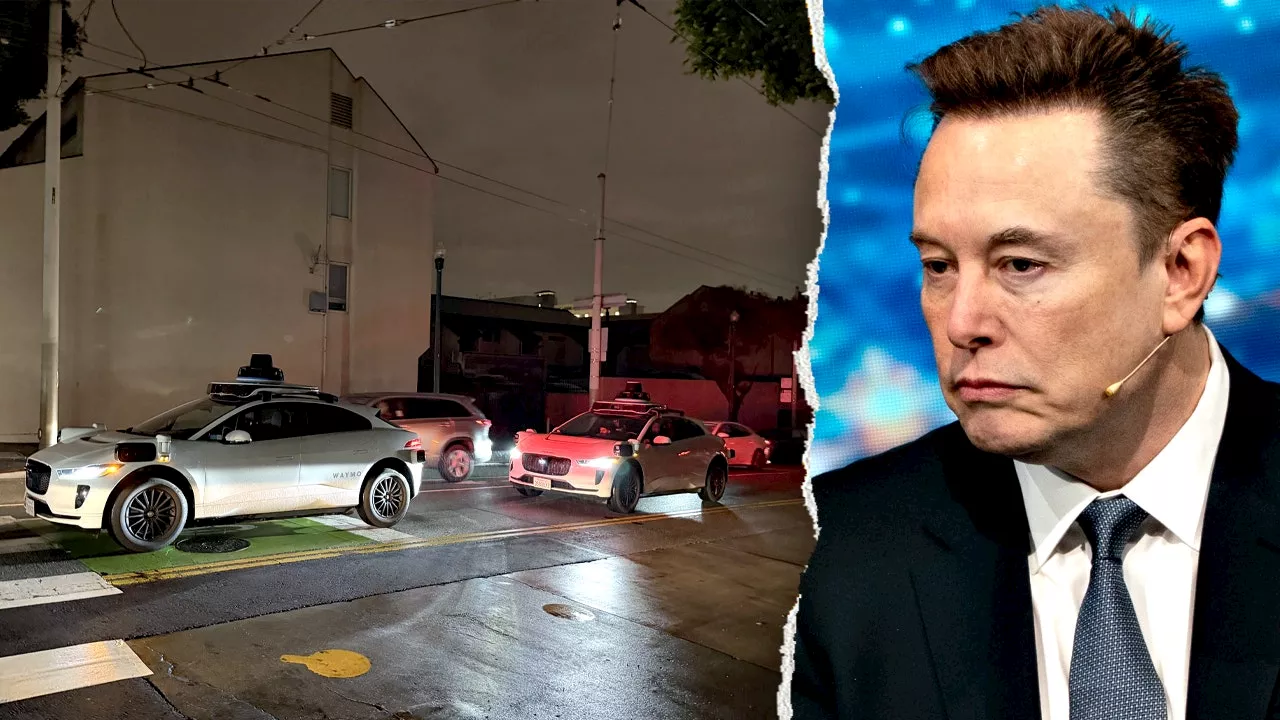
Elon Musk has publicly criticized Waymo following a major power outage in San Francisco that impacted the performance of the company’s self-driving cars. The outage, which affected around 130,000 homes and businesses, caused significant traffic disruptions, leading Waymo to temporarily halt its ride-hailing service in the area. Musk seized the moment to underscore Tesla’s technology, suggesting it could better handle such emergencies.
The power outage began on the evening of March 14, 2024, partially attributed to a fire at a Pacific Gas and Electric Co. substation. As traffic signals failed, chaos ensued throughout the city, with Waymo’s autonomous vehicles unable to navigate the inoperative traffic lights. Musk shared a video on X, previously known as Twitter, displaying Waymo vehicles stranded at intersections alongside a caption that promoted Tesla’s resilience in similar situations.
Waymo’s Response to the Incident
Waymo acknowledged the challenges posed by the power outage. Although their technology is designed to treat non-functional traffic signals as four-way stops, the extent of the outage proved problematic. A spokesperson from Waymo confirmed that the company is committed to enhancing its technology and adapting swiftly to unforeseen circumstances. After the outage, Waymo was able to resume its ride-hailing services, although it had faced criticism for its vehicles contributing to traffic jams while stationary.
The incident highlights the ongoing rivalry between Tesla and Waymo in the autonomous vehicle sector. Waymo, a subsidiary of Alphabet Inc., has invested heavily in developing self-driving technology. In contrast, Tesla positions itself as a leader in the field, with Musk frequently promoting the advantages of its systems. The contrasting approaches of the two companies were put to the test during this recent emergency.
Implications for Autonomous Vehicle Technology
This incident serves as a real-world evaluation of autonomous driving technologies and their ability to respond to unexpected challenges. Waymo’s difficulties during the outage raise questions about the readiness and reliability of self-driving cars in critical situations. As cities increasingly adopt autonomous vehicles, the need for robust systems capable of handling emergencies becomes paramount.
Musk’s remarks and Waymo’s subsequent admissions reflect the complexities of developing technology that can seamlessly integrate with urban infrastructure. The San Francisco power outage not only disrupted daily life but also provided a stark contrast between the two companies’ technologies. The lessons learned from this event could significantly influence future developments in autonomous driving.
As the industry evolves, both Tesla and Waymo will likely continue to refine their systems, aiming for more reliable and adaptable solutions. The outcome of this incident will resonate beyond San Francisco, shaping conversations around the future of autonomous vehicles and their role in urban environments.











Revolutionary Photonic Ski-Jump Could Miniaturize LiDAR Systems

Couples Detox from Plastics in New Netflix Doc: Can It Boost Fertility?

Aventon Launches Affordable Full-Suspension Electric Mountain Bike

Discover Eight Must-Try Restaurants This Spring Season

UC Irvine Team Unveils Innovative Ion Pump for Water Treatment

One-Third of Americans Trim Daily Expenses for Healthcare Needs

Apple Secures First Oscar in Three Years with F1: The Movie

Fourth Graders Celebrate St. Patrick’s Day with Creative Weather Drawings

Kim Kardashian Dazzles at Vanity Fair Oscars Party 2026

Nostradamus’ 2026 Predictions: Star Death and Dark Events Loom

Breakthroughs and Challenges Await Science in 2026

Electric Moto Influencer Surronster Arrested in Tijuana

OpenAI to Implement Age Verification for ChatGPT by December 2025

Discover the Top 10 Calorie Counting Apps of 2025

Recovering a Suspended TikTok Account: A Step-by-Step Guide

Bella Hadid Shares Health Update After Treatment for Lyme Disease

Backpack Drives Equip Students with Supplies for New School Year

Analysts Project Stronger Growth for Apple’s iPhone 17 Lineup
-
 Science7 months ago
Nostradamus’ 2026 Predictions: Star Death and Dark Events Loom
-
 Science7 months ago
Breakthroughs and Challenges Await Science in 2026
-
 Technology11 months ago
Electric Moto Influencer Surronster Arrested in Tijuana
-
 Technology8 months ago
OpenAI to Implement Age Verification for ChatGPT by December 2025
-
 Technology1 year ago
Discover the Top 10 Calorie Counting Apps of 2025
-
 Technology1 year ago
Recovering a Suspended TikTok Account: A Step-by-Step Guide
-
 Health11 months ago
Bella Hadid Shares Health Update After Treatment for Lyme Disease
-
 Education1 year ago
Backpack Drives Equip Students with Supplies for New School Year
-
 Health11 months ago
Analysts Project Stronger Growth for Apple’s iPhone 17 Lineup
-

 Technology8 months ago
Top 10 Penny Stocks to Watch in 2026 for Strong Returns
-

 Health11 months ago
Japanese Study Finds Rose Oil Can Increase Brain Gray Matter
-

 Science10 months ago
Starship V3 Set for 2026 Launch After Successful Final Test of Version 2