
Technology
Vivo Innovates by Merging Smartphone Cooling Fans with Antennas

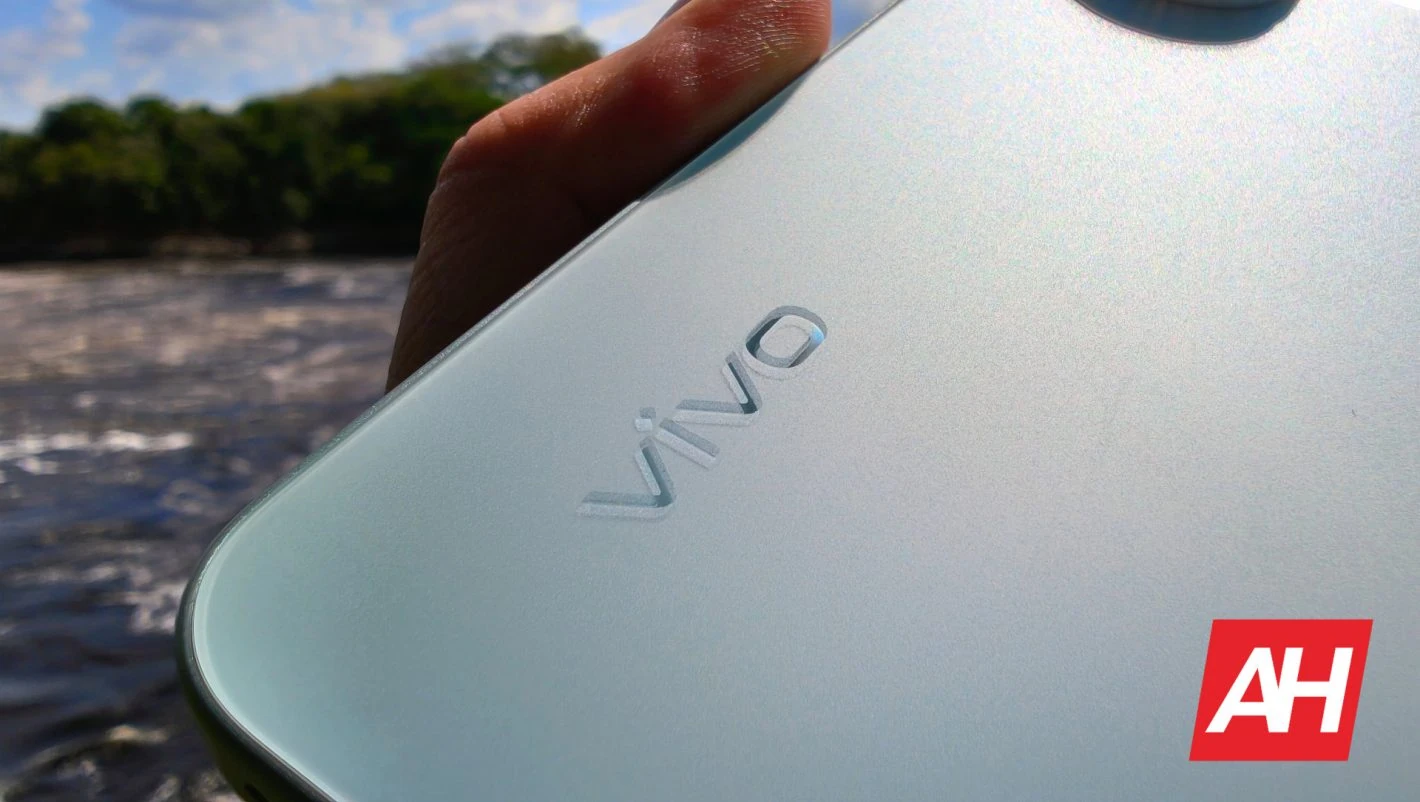
Vivo has unveiled a groundbreaking patent that could transform how smartphones manage connectivity and heat. The new design suggests that the internal cooling fan in a phone could also function as an antenna, potentially revolutionizing device performance in terms of signal strength and thermal management.
Revolutionizing Antenna Design
Traditionally, smartphone antennas are fixed strips of metal located along the device’s frame. While this design is effective, it often suffers from “hand blockage,” where a user’s grip can inadvertently weaken the signal. In response, manufacturers have explored various solutions, including the innovative 360-degree antenna design seen in models like the Vivo X200 FE. Vivo’s latest patent presents a novel approach by integrating antennas directly onto the blades of an internal cooling fan.
According to technical filings identified by Xpertpick, this innovative positioning allows the device to leverage mechanical rotation. Instead of depending on a static receiver, the fan-mounted antennas could dynamically adjust to optimize alignment with cellular towers or Wi-Fi routers. This feature would be especially beneficial for users on the move, such as commuters or travelers, where frequent signal transitions occur.
Wireless Communication Simplified
One of the key challenges of integrating a rotating component into a smartphone is maintaining a stable connection to the motherboard. The patent outlines a “capacitive coupling” system, which enables signals to transfer across a small air gap between metal surfaces. This technology eliminates the need for physical wiring, which could deteriorate due to constant movement.
The design not only accommodates standard 5G signals but also supports multiple antenna types, including GPS, Wi-Fi, and satellite communication, all on different fan blades. This versatility may enhance connectivity in complex scenarios, such as operating drones or networking multiple devices simultaneously, effectively turning the smartphone into a sophisticated communication hub.
The implications of this design extend beyond connectivity. By utilizing a necessary mechanical component like a fan as a communication tool, Vivo could free up valuable internal space for larger batteries or advanced camera sensors. Furthermore, this dual functionality aids in temperature regulation, allowing devices to manage heat effectively while processing demanding tasks, such as gaming or artificial intelligence applications.
While many patents remain theoretical, the timing of Vivo’s innovation is noteworthy. With an increasing number of high-performance smartphones expected to adopt active cooling systems by 2026, the concept of a “smart fan” is becoming increasingly plausible.
For now, this patent offers a glimpse into Vivo’s forward-thinking approach to smartphone design. As technology continues to evolve, the idea of integrating cooling systems with communication functions could redefine how consumers perceive the role of these components in their devices. The future may see fans not just as mechanisms for airflow, but as critical elements in achieving superior connectivity and performance.





Revolutionary Photonic Ski-Jump Could Miniaturize LiDAR Systems

Couples Detox from Plastics in New Netflix Doc: Can It Boost Fertility?

Aventon Launches Affordable Full-Suspension Electric Mountain Bike

Discover Eight Must-Try Restaurants This Spring Season

UC Irvine Team Unveils Innovative Ion Pump for Water Treatment

One-Third of Americans Trim Daily Expenses for Healthcare Needs

Apple Secures First Oscar in Three Years with F1: The Movie

Fourth Graders Celebrate St. Patrick’s Day with Creative Weather Drawings

Kim Kardashian Dazzles at Vanity Fair Oscars Party 2026

Nostradamus’ 2026 Predictions: Star Death and Dark Events Loom

Breakthroughs and Challenges Await Science in 2026

Electric Moto Influencer Surronster Arrested in Tijuana

OpenAI to Implement Age Verification for ChatGPT by December 2025

Discover the Top 10 Calorie Counting Apps of 2025

Recovering a Suspended TikTok Account: A Step-by-Step Guide

Bella Hadid Shares Health Update After Treatment for Lyme Disease

Backpack Drives Equip Students with Supplies for New School Year

Analysts Project Stronger Growth for Apple’s iPhone 17 Lineup
-
 Science8 months ago
Nostradamus’ 2026 Predictions: Star Death and Dark Events Loom
-
 Science8 months ago
Breakthroughs and Challenges Await Science in 2026
-
 Technology11 months ago
Electric Moto Influencer Surronster Arrested in Tijuana
-
 Technology9 months ago
OpenAI to Implement Age Verification for ChatGPT by December 2025
-
 Technology1 year ago
Discover the Top 10 Calorie Counting Apps of 2025
-
 Technology1 year ago
Recovering a Suspended TikTok Account: A Step-by-Step Guide
-
 Health11 months ago
Bella Hadid Shares Health Update After Treatment for Lyme Disease
-
 Education1 year ago
Backpack Drives Equip Students with Supplies for New School Year
-
 Health11 months ago
Analysts Project Stronger Growth for Apple’s iPhone 17 Lineup
-

 Health12 months ago
Japanese Study Finds Rose Oil Can Increase Brain Gray Matter
-

 Technology8 months ago
Top 10 Penny Stocks to Watch in 2026 for Strong Returns
-

 Science10 months ago
Starship V3 Set for 2026 Launch After Successful Final Test of Version 2