
Technology
ASUS to Raise PC Prices Ahead of CES 2026 Amid Memory Shortage

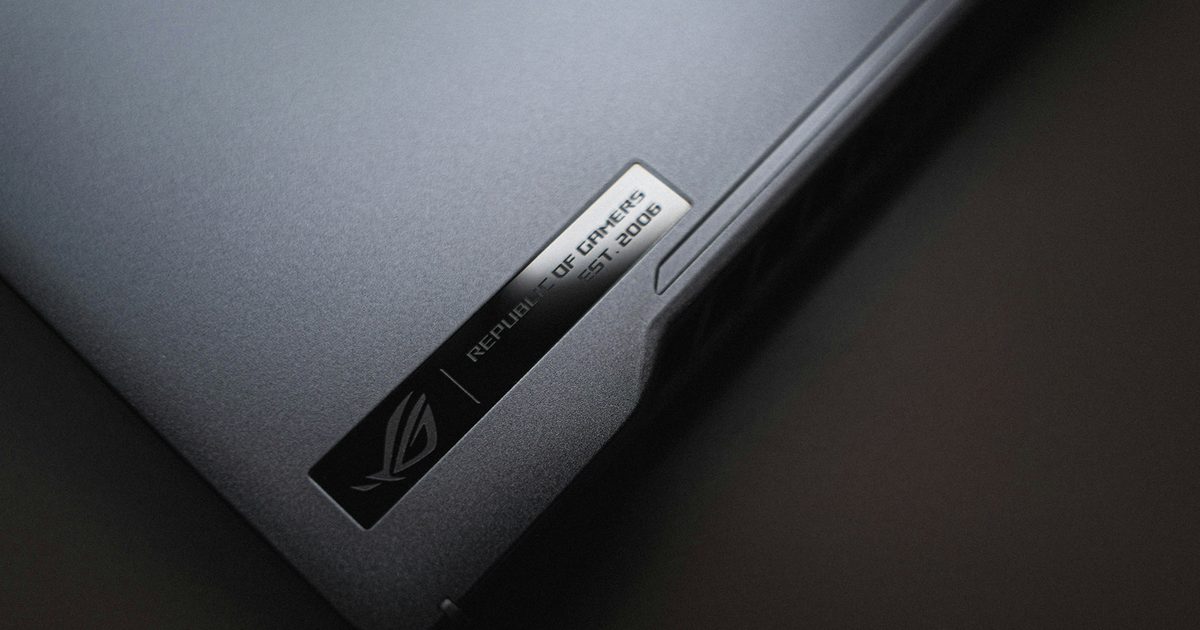
ASUS has announced plans to increase prices on select PC products starting on January 5, 2026, just prior to the Consumer Electronics Show (CES) in Las Vegas. The Taiwanese technology company cited rising costs of DRAM, NAND flash, and other essential components as the primary factors driving this decision. This announcement makes ASUS one of the first major PC manufacturers to confirm price adjustments linked to the ongoing global memory shortage, a trend that has steadily escalated component costs throughout 2025.
While ASUS has not specified which models will be affected, it is reasonable to expect that the price increases will impact a wide range of products, including laptops, desktop PCs, the ROG Ally handheld device, and graphics processing units (GPUs). The company is also working on producing its own RAM to potentially offer more competitive pricing in response to market demand, particularly in light of Micron’s recent decision to shut down its Crucial business.
Understanding the Price Increase
The forthcoming price adjustments reflect a broader supply-chain challenge within the semiconductor memory market. After experiencing several years of relative stability, prices for DRAM and NAND flash have surged sharply. A significant portion of memory capacity is now being allocated to high-bandwidth artificial intelligence systems and data centers, which has left conventional PC products competing for a dwindling supply.
Internally, ASUS describes the impending price hikes as a “strategic adjustment” designed to maintain product quality and ensure supply stability after absorbing increased component costs for an extended period. While the company has not disclosed specific figures, industry analysts anticipate that the price increases will reflect recent trends seen across the industry, varying from minor increments to more substantial hikes based on the product’s memory configuration.
The timing of this announcement poses challenges for consumers, as CES 2026 approaches. Buyers are already contending with rising hardware prices, and this news adds another layer of uncertainty. For those considering a PC build or upgrade in 2026, it may be prudent to monitor post-CES pricing closely, explore refurbished options, or wait for mid-year stabilization in component costs.
Market Implications
The implications of ASUS’s pricing strategy extend beyond the company itself. The adjustment signals a shift in the market dynamics, where consumers may need to recalibrate their expectations regarding hardware affordability. As the trend towards higher prices continues, the end consumer faces the challenge of navigating an increasingly costly landscape.
Whether consumers are interested in AI features or standard functionalities, the market is clearly adapting to a new reality, and once again, it is the consumer who is left to bear the financial burden. As the industry evolves, ASUS’s strategy may pave the way for other manufacturers to follow suit, further impacting pricing structures across the board.













Revolutionary Photonic Ski-Jump Could Miniaturize LiDAR Systems

Couples Detox from Plastics in New Netflix Doc: Can It Boost Fertility?

Aventon Launches Affordable Full-Suspension Electric Mountain Bike

Discover Eight Must-Try Restaurants This Spring Season

UC Irvine Team Unveils Innovative Ion Pump for Water Treatment

One-Third of Americans Trim Daily Expenses for Healthcare Needs

Apple Secures First Oscar in Three Years with F1: The Movie

Fourth Graders Celebrate St. Patrick’s Day with Creative Weather Drawings

Kim Kardashian Dazzles at Vanity Fair Oscars Party 2026

Nostradamus’ 2026 Predictions: Star Death and Dark Events Loom

Breakthroughs and Challenges Await Science in 2026

Electric Moto Influencer Surronster Arrested in Tijuana

OpenAI to Implement Age Verification for ChatGPT by December 2025

Discover the Top 10 Calorie Counting Apps of 2025

Recovering a Suspended TikTok Account: A Step-by-Step Guide

Bella Hadid Shares Health Update After Treatment for Lyme Disease

Backpack Drives Equip Students with Supplies for New School Year

Analysts Project Stronger Growth for Apple’s iPhone 17 Lineup
-
 Science8 months ago
Nostradamus’ 2026 Predictions: Star Death and Dark Events Loom
-
 Science8 months ago
Breakthroughs and Challenges Await Science in 2026
-
 Technology11 months ago
Electric Moto Influencer Surronster Arrested in Tijuana
-
 Technology9 months ago
OpenAI to Implement Age Verification for ChatGPT by December 2025
-
 Technology1 year ago
Discover the Top 10 Calorie Counting Apps of 2025
-
 Technology1 year ago
Recovering a Suspended TikTok Account: A Step-by-Step Guide
-
 Health11 months ago
Bella Hadid Shares Health Update After Treatment for Lyme Disease
-
 Education1 year ago
Backpack Drives Equip Students with Supplies for New School Year
-
 Health11 months ago
Analysts Project Stronger Growth for Apple’s iPhone 17 Lineup
-

 Health12 months ago
Japanese Study Finds Rose Oil Can Increase Brain Gray Matter
-

 Technology8 months ago
Top 10 Penny Stocks to Watch in 2026 for Strong Returns
-

 Science10 months ago
Starship V3 Set for 2026 Launch After Successful Final Test of Version 2