
Science
Ancient Microbiome Discovered in 1,000-Year-Old Remains from Mexico

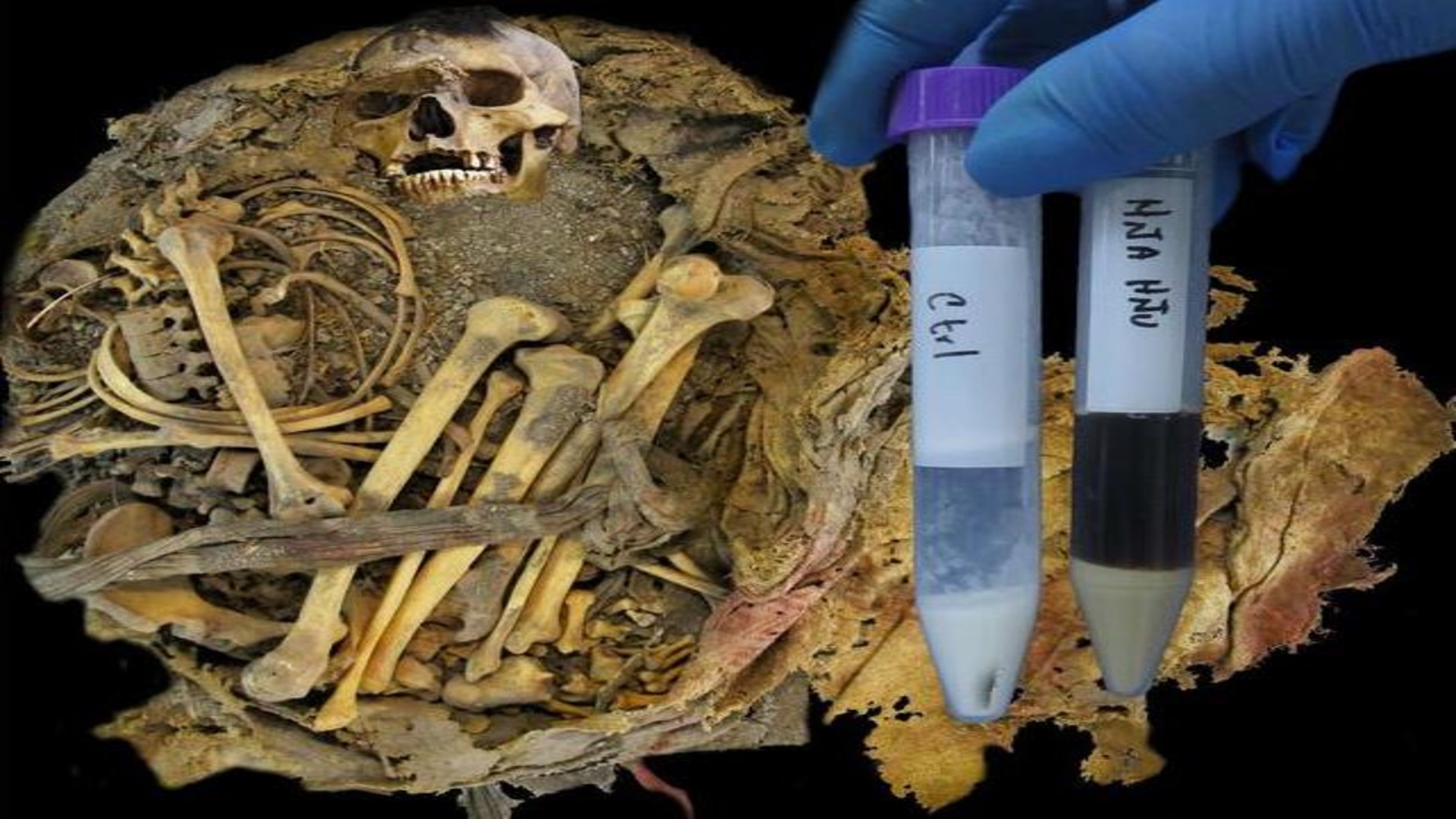
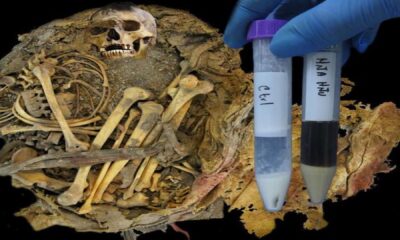
Researchers have uncovered remarkable insights into the ancient human gut microbiome through the well-preserved remains of a 1,000-year-old individual, dubbed the Zimapán man. Discovered in a cave in central Mexico, these remains offer an unprecedented view of the microbiome of a person who likely held significant status within the extinct Otopame culture.
The discovery was made in a rock shelter located in El Saucillo, Zimapán, Hidalgo, where the environmental conditions facilitated natural mummification. According to a press release, the individual was found wrapped in an elaborate funerary bundle, indicating his prominence in society.
Revolutionary Findings from Ancient Gut
The study of these remains, published in the journal PLOS One, reveals crucial details about the types of bacteria that resided in the Zimapán man’s gut. Researchers led by Santiago Rosas-Plaza from the National Autonomous University of Mexico utilized advanced techniques, including 16S rRNA gene sequencing, to analyze the intestinal tissue and preserved feces. Their findings uncovered a diverse range of bacteria, including families such as Peptostreptococcaceae, Enterobacteriaceae, and Enterococcaceae, which have long been known to coexist with humans.
What stands out in this research is the identification of Romboutsia hominis, a bacterium previously unseen in ancient microbiomes. This discovery marks a significant milestone in the study of microbial evolution and provides new avenues for understanding human health in historical contexts.
Insights into Ancient Culture and Preservation Techniques
The findings not only shed light on the man’s microbiome but also enhance understanding of the cultural practices of the Otopame people. The individual, estimated to have died between the ages of 21 and 35, was buried in layers of maguey fiber mats and woven cotton. This intricate burial practice suggests a well-structured society with complex rituals surrounding death.
As noted by the researchers, the careful arrangement of the burial materials highlights the Zimapán culture’s intelligence in body preservation. The study emphasizes the importance of integrating anthropological, archaeological, and microbiome data to unravel human evolution and its relationship with various environments.
Master Luisa Mainauo, who oversees the restoration of the mortuary bundle, has dedicated nearly eight years to this project. Her work aims to showcase these findings not only to the people of Mexico but to a global audience, reflecting the significance of this ancient culture.
The discovery of the Zimapán man’s remains and the insights gained from his microbiome provide a compelling link to the past, offering valuable clues about human health and ancient lifestyles. As researchers continue to explore these ancient samples, they contribute to a deeper understanding of our evolutionary history and the intricate web of life that has shaped human existence.
For further details, the complete study is available in PLOS One.








Revolutionary Photonic Ski-Jump Could Miniaturize LiDAR Systems

Couples Detox from Plastics in New Netflix Doc: Can It Boost Fertility?

Aventon Launches Affordable Full-Suspension Electric Mountain Bike

Discover Eight Must-Try Restaurants This Spring Season

UC Irvine Team Unveils Innovative Ion Pump for Water Treatment

One-Third of Americans Trim Daily Expenses for Healthcare Needs

Apple Secures First Oscar in Three Years with F1: The Movie

Fourth Graders Celebrate St. Patrick’s Day with Creative Weather Drawings

Kim Kardashian Dazzles at Vanity Fair Oscars Party 2026

Nostradamus’ 2026 Predictions: Star Death and Dark Events Loom

Breakthroughs and Challenges Await Science in 2026

Electric Moto Influencer Surronster Arrested in Tijuana

OpenAI to Implement Age Verification for ChatGPT by December 2025

Discover the Top 10 Calorie Counting Apps of 2025

Recovering a Suspended TikTok Account: A Step-by-Step Guide

Bella Hadid Shares Health Update After Treatment for Lyme Disease

Backpack Drives Equip Students with Supplies for New School Year

Analysts Project Stronger Growth for Apple’s iPhone 17 Lineup
-
 Science7 months ago
Nostradamus’ 2026 Predictions: Star Death and Dark Events Loom
-
 Science7 months ago
Breakthroughs and Challenges Await Science in 2026
-
 Technology11 months ago
Electric Moto Influencer Surronster Arrested in Tijuana
-
 Technology8 months ago
OpenAI to Implement Age Verification for ChatGPT by December 2025
-
 Technology1 year ago
Discover the Top 10 Calorie Counting Apps of 2025
-
 Technology1 year ago
Recovering a Suspended TikTok Account: A Step-by-Step Guide
-
 Health11 months ago
Bella Hadid Shares Health Update After Treatment for Lyme Disease
-
 Education1 year ago
Backpack Drives Equip Students with Supplies for New School Year
-
 Health11 months ago
Analysts Project Stronger Growth for Apple’s iPhone 17 Lineup
-

 Technology7 months ago
Top 10 Penny Stocks to Watch in 2026 for Strong Returns
-

 Health11 months ago
Japanese Study Finds Rose Oil Can Increase Brain Gray Matter
-

 Science10 months ago
Starship V3 Set for 2026 Launch After Successful Final Test of Version 2