
Education
Medical Schools Must Adapt to Renewed Threats from Diseases

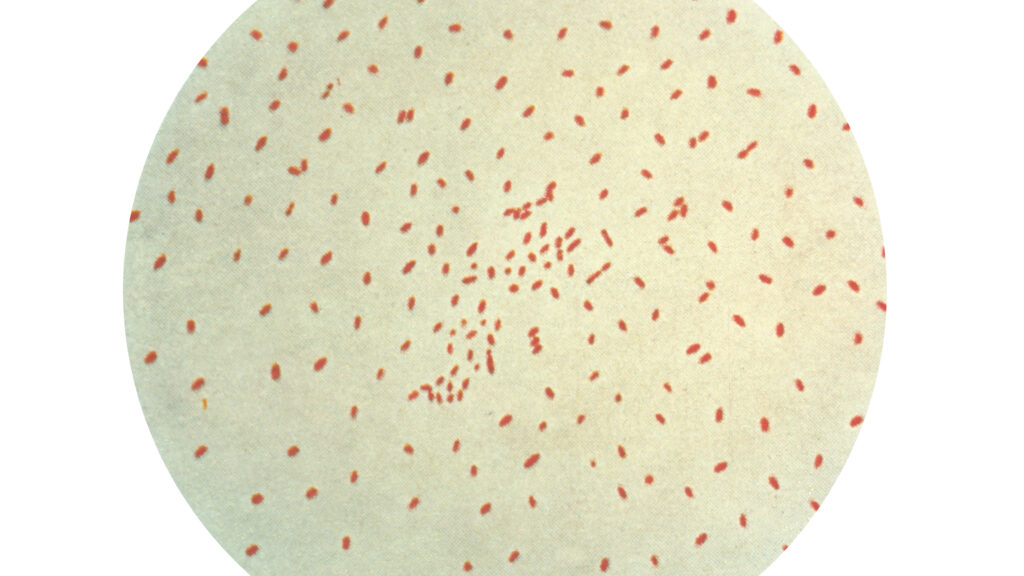
The landscape of infectious disease is changing, and medical education must evolve accordingly. As vaccine-preventable diseases once thought to be eradicated resurface, medical trainees in the United States are increasingly unprepared to handle these threats. According to Krutika Kuppalli, an infectious diseases physician based in Dallas, the recent alterations to the childhood vaccine schedule by the Department of Health and Human Services could lead to the reintroduction of diseases like measles and tetanus into clinical practice.
Kuppalli’s experience treating patients in Haiti, India, and Sierra Leone has highlighted the drastic consequences of inadequate vaccination. She recalls treating a patient suffering from tetanus, a disease characterized by severe muscle spasms and respiratory failure. Her first-hand encounters with diseases preventable by vaccines underscore the urgency for medical education to adapt to a reality where these illnesses may again become commonplace.
Medical education has historically focused on immunization schedules and theoretical assessments of diseases. With the decline in cases, many current trainees have never encountered diseases such as measles, tetanus, or pertussis. This gap in exposure limits their ability to recognize and manage these diseases effectively. Kuppalli emphasizes that traditional methods of learning, which rely heavily on passive observation, are no longer sufficient for preparing future doctors.
Transforming Medical Training
To address this challenge, Kuppalli advocates for a shift towards more dynamic teaching methods. Simulation-based training can help medical students practice managing outbreaks and complications associated with these diseases in realistic settings. By employing adaptive learning tools and artificial intelligence, educators can create scenarios that expose trainees to rare but critical diseases they might not otherwise encounter.
One innovative approach suggested by Kuppalli involves longitudinal case-based curricula. Such programs could follow unvaccinated patients through various stages of care, allowing students to grasp disease identification, clinical management, and the broader public health implications of vaccination lapses. Through these methods, trainees would gain a deeper understanding of how vaccine-preventable diseases impact entire communities, reinforcing the importance of vaccination.
Collaboration with global health experts is also crucial. Many clinicians worldwide continue to face vaccine-preventable diseases, offering invaluable practical insights that can enhance U.S. medical education. Kuppalli believes that shared case conferences and virtual teaching partnerships can bridge the gap between local and global experiences.
Building Critical Skills for Future Challenges
Perhaps most importantly, Kuppalli points out a conceptual gap in current medical training. In a rapidly changing vaccine policy environment, it is essential for future clinicians to critically assess evidence and understand the processes behind vaccine guidelines. Training should encompass not only the current recommendations but also the scientific rigor that underpins them.
As communication remains a critical component of patient care, medical schools must also teach effective strategies for discussing vaccination with hesitant patients. This involves role-playing scenarios and fostering listening skills that allow clinicians to connect with patients while maintaining scientific integrity.
The implications of vaccine policy extend beyond regulatory frameworks; they directly affect patient safety and clinical preparedness. If current trends continue, the responsibility of managing vaccine-preventable diseases will fall to today’s medical trainees. Kuppalli stresses that their preparedness should not be contingent upon experiencing an outbreak during their training.
By aligning medical education with the realities of infectious disease threats, the healthcare system can ensure that future clinicians are equipped to face these challenges head-on. As the landscape of public health evolves, so too must the education that shapes its frontline responders. The stakes are high, and the need for proactive, informed medical training has never been greater.










Revolutionary Photonic Ski-Jump Could Miniaturize LiDAR Systems

Couples Detox from Plastics in New Netflix Doc: Can It Boost Fertility?

Aventon Launches Affordable Full-Suspension Electric Mountain Bike

Discover Eight Must-Try Restaurants This Spring Season

UC Irvine Team Unveils Innovative Ion Pump for Water Treatment

One-Third of Americans Trim Daily Expenses for Healthcare Needs

Apple Secures First Oscar in Three Years with F1: The Movie

Fourth Graders Celebrate St. Patrick’s Day with Creative Weather Drawings

Kim Kardashian Dazzles at Vanity Fair Oscars Party 2026

Nostradamus’ 2026 Predictions: Star Death and Dark Events Loom

Breakthroughs and Challenges Await Science in 2026

Electric Moto Influencer Surronster Arrested in Tijuana

OpenAI to Implement Age Verification for ChatGPT by December 2025

Discover the Top 10 Calorie Counting Apps of 2025

Bella Hadid Shares Health Update After Treatment for Lyme Disease

Analysts Project Stronger Growth for Apple’s iPhone 17 Lineup

Japanese Study Finds Rose Oil Can Increase Brain Gray Matter

Top 10 Penny Stocks to Watch in 2026 for Strong Returns
-
 Science3 months ago
Nostradamus’ 2026 Predictions: Star Death and Dark Events Loom
-
 Science4 months ago
Breakthroughs and Challenges Await Science in 2026
-
 Technology7 months ago
Electric Moto Influencer Surronster Arrested in Tijuana
-
 Technology4 months ago
OpenAI to Implement Age Verification for ChatGPT by December 2025
-
 Technology9 months ago
Discover the Top 10 Calorie Counting Apps of 2025
-
 Health7 months ago
Bella Hadid Shares Health Update After Treatment for Lyme Disease
-
 Health7 months ago
Analysts Project Stronger Growth for Apple’s iPhone 17 Lineup
-
 Health7 months ago
Japanese Study Finds Rose Oil Can Increase Brain Gray Matter
-
 Technology4 months ago
Top 10 Penny Stocks to Watch in 2026 for Strong Returns
-

 Science6 months ago
Starship V3 Set for 2026 Launch After Successful Final Test of Version 2
-

 Technology1 month ago
Nvidia GTC 2026: Major Announcements Expected for AI and Hardware
-

 Education7 months ago
Harvard Secures Court Victory Over Federal Funding Cuts