
Technology
Waymo Seeks Massachusetts Approval for Driverless Cars in Boston

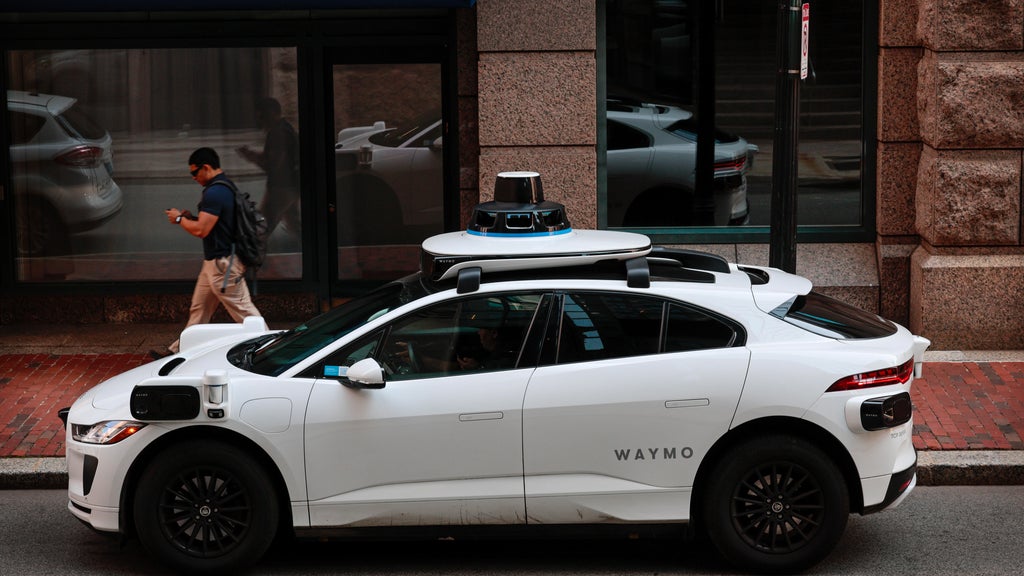
Waymo has announced plans to expand its self-driving services in Boston, returning to the city one year after its initial exploration of its roads. The company aims to introduce fully autonomous vehicles, but it requires legislative support from Massachusetts before it can provide rides to residents. In a statement released on March 15, 2024, Waymo expressed enthusiasm about adapting to Boston’s unique driving environment, which includes cobblestone streets, narrow alleyways, and busy roundabouts.
The Silicon Valley-based ride-hailing service emphasized the need for Massachusetts lawmakers to legalize fully autonomous vehicles. “Before offering fully autonomous rides to Bostonians, we’ll first need the state to legalize fully autonomous vehicles,” Waymo stated. The company is eager to engage with state officials to help establish a regulatory framework for this emerging technology.
Opposition exists, particularly from drivers for companies like Uber and Lyft, who fear job losses due to the introduction of driverless cars. Lawmakers are also considering safety concerns associated with autonomous vehicles. State Representative Dan Cahill, chair of the Joint Committee on Public Safety and Homeland Security, remarked, “Our goal is to create a clear and consistent framework to ensure that any new technology on our roads meets established safety standards.”
Despite the excitement surrounding the return of Waymo, skepticism persists among some city leaders. Jascha Franklin-Hodge, Chief of Streets, noted the challenges of driving in Boston, stating, “Driving here is not like driving in the rest of the country. Our streets are complex, they’re congested, they’re chaotic.”
Concerns have also been raised about the ability of autonomous vehicles to navigate issues such as double-parked cars and delivery vehicles blocking the roads. City Councilor Ed Flynn highlighted these challenges during a hearing last summer, mentioning, “There is also nonstop road construction during the summer, street closings as well. And in winter, we have snow banks.”
Waymo has been proactive in addressing these concerns, claiming to have tested its technology in various winter conditions across some of the snowiest cities in the United States. This, they argue, will allow for reliable operations even in Massachusetts’ winter weather, ensuring residents and visitors have a dependable means of transportation.
As Waymo prepares to engage with local communities and officials, the outcome of these discussions and the legislative process will be crucial in determining the future of driverless cars in Boston. The company’s commitment to a “constructive dialogue” signals its intent to address concerns while paving the way for new technology on the streets.





Revolutionary Photonic Ski-Jump Could Miniaturize LiDAR Systems

Couples Detox from Plastics in New Netflix Doc: Can It Boost Fertility?

Aventon Launches Affordable Full-Suspension Electric Mountain Bike

Discover Eight Must-Try Restaurants This Spring Season

UC Irvine Team Unveils Innovative Ion Pump for Water Treatment

One-Third of Americans Trim Daily Expenses for Healthcare Needs

Apple Secures First Oscar in Three Years with F1: The Movie

Fourth Graders Celebrate St. Patrick’s Day with Creative Weather Drawings

Kim Kardashian Dazzles at Vanity Fair Oscars Party 2026

Nostradamus’ 2026 Predictions: Star Death and Dark Events Loom

Breakthroughs and Challenges Await Science in 2026

Electric Moto Influencer Surronster Arrested in Tijuana

OpenAI to Implement Age Verification for ChatGPT by December 2025

Discover the Top 10 Calorie Counting Apps of 2025

Recovering a Suspended TikTok Account: A Step-by-Step Guide

Bella Hadid Shares Health Update After Treatment for Lyme Disease

Backpack Drives Equip Students with Supplies for New School Year

Analysts Project Stronger Growth for Apple’s iPhone 17 Lineup
-
 Science8 months ago
Nostradamus’ 2026 Predictions: Star Death and Dark Events Loom
-
 Science8 months ago
Breakthroughs and Challenges Await Science in 2026
-
 Technology11 months ago
Electric Moto Influencer Surronster Arrested in Tijuana
-
 Technology9 months ago
OpenAI to Implement Age Verification for ChatGPT by December 2025
-
 Technology1 year ago
Discover the Top 10 Calorie Counting Apps of 2025
-
 Technology1 year ago
Recovering a Suspended TikTok Account: A Step-by-Step Guide
-
 Health11 months ago
Bella Hadid Shares Health Update After Treatment for Lyme Disease
-
 Education1 year ago
Backpack Drives Equip Students with Supplies for New School Year
-
 Health12 months ago
Analysts Project Stronger Growth for Apple’s iPhone 17 Lineup
-

 Health12 months ago
Japanese Study Finds Rose Oil Can Increase Brain Gray Matter
-

 Technology8 months ago
Top 10 Penny Stocks to Watch in 2026 for Strong Returns
-

 Science10 months ago
Starship V3 Set for 2026 Launch After Successful Final Test of Version 2