
Science
MIT Develops 3D Printer Capable of Creating Working Electric Motors

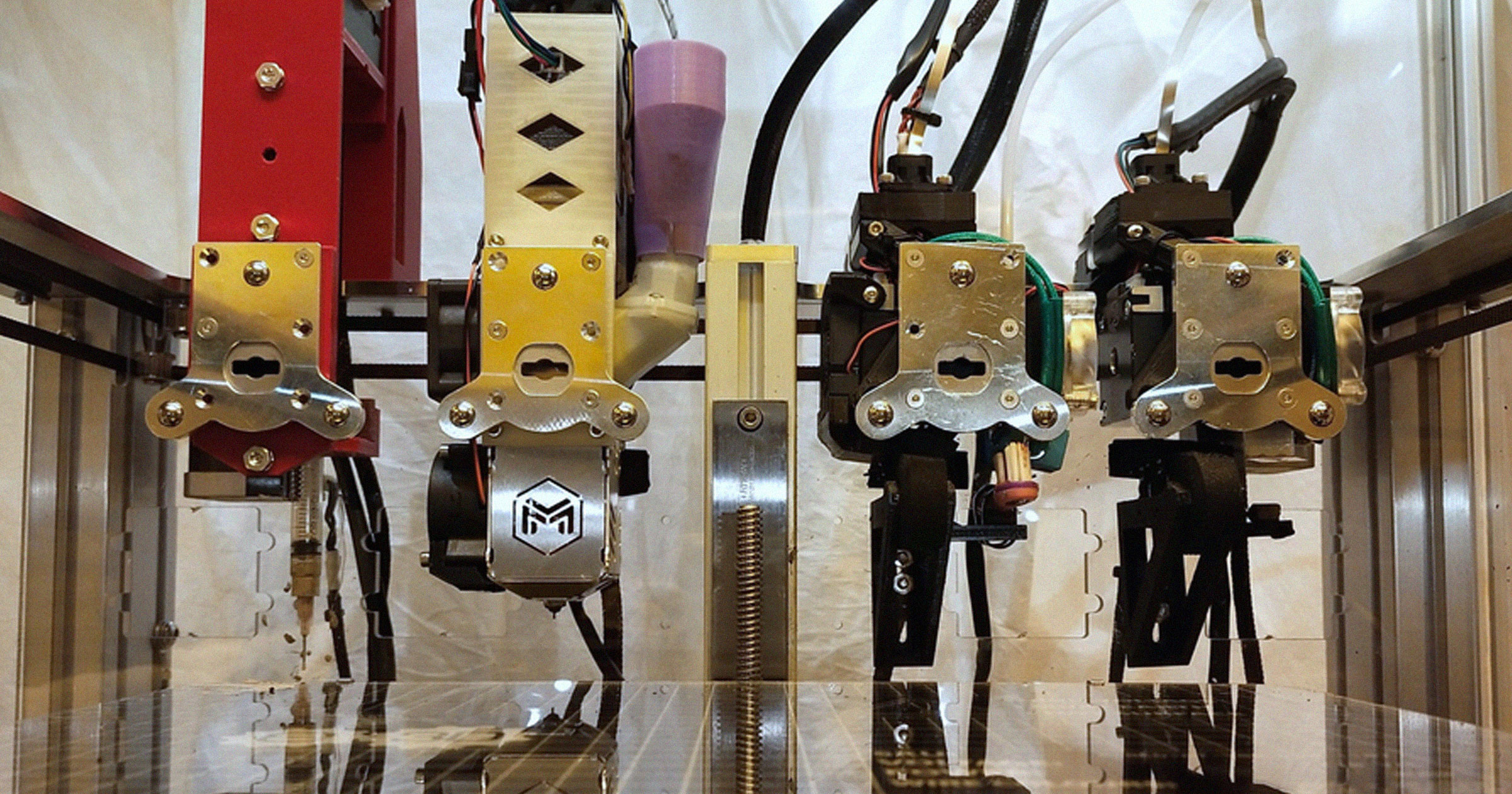
Researchers at the Massachusetts Institute of Technology (MIT) have unveiled a groundbreaking 3D printing technology that can produce fully functional machines, including electric motors, in just a few hours. This new platform represents a significant advancement in additive manufacturing, bridging the gap between simple prototyping and complex industrial applications.
The innovative 3D printer utilizes a retrofitted design featuring four separate extruders. These extruders allow the device to deposit a diverse range of materials, including magnetic and conductive substances, by forcing them through a nozzle. The MIT team successfully printed an electric linear motor using only five different materials in a remarkably short timeframe of three hours, with the total material cost amounting to just $0.50.
Revolutionizing Manufacturing Processes
The findings were documented in a recent paper published in the journal Virtual and Physical Prototyping. The researchers demonstrated the printer’s capability to fabricate solenoids, hard magnets, and springs, leading to what they describe as the “first fully 3D-printed electric motor.” The team concluded that their method showcases the potential for multi-material extrusion 3D printing to produce all essential parts of electrical machines. Notably, the only post-printing step required was the magnetization of the hard magnets.
The performance of the 3D-printed motor exceeded expectations, generating “several times more actuation than a common type of linear engine that relies on complex hydraulic amplifiers,” according to an official statement from the MIT team. Senior author and principal investigator at MIT Microsystems Technology Laboratories, Luis Fernando Velásquez-García, expressed excitement about the implications of this technology for the future of electronics manufacturing. “Even though we are excited by this engine and its performance, we are equally inspired because this is just an example of so many other things to come that could dramatically change how electronics are manufactured,” he stated.
Implications for Future Manufacturing
The team envisions a future where manufacturers can print their own hardware on-site, significantly reducing reliance on global supply chains. Velásquez-García emphasized the transformative potential of this technology, stating, “This is a great feat, but it is just the beginning. We have an opportunity to fundamentally change the way things are made by making hardware onsite in one step, rather than relying on a global supply chain.”
With this demonstration, MIT researchers have not only proven the feasibility of this advanced 3D printing technology but also opened the door to further innovations in manufacturing. The ability to create functioning machinery quickly and affordably could reshape various industries, from robotics to construction, marking a significant step forward in the evolution of production methods.








Revolutionary Photonic Ski-Jump Could Miniaturize LiDAR Systems

Couples Detox from Plastics in New Netflix Doc: Can It Boost Fertility?

Aventon Launches Affordable Full-Suspension Electric Mountain Bike

Discover Eight Must-Try Restaurants This Spring Season

UC Irvine Team Unveils Innovative Ion Pump for Water Treatment

One-Third of Americans Trim Daily Expenses for Healthcare Needs

Apple Secures First Oscar in Three Years with F1: The Movie

Fourth Graders Celebrate St. Patrick’s Day with Creative Weather Drawings

Kim Kardashian Dazzles at Vanity Fair Oscars Party 2026

Nostradamus’ 2026 Predictions: Star Death and Dark Events Loom

Breakthroughs and Challenges Await Science in 2026

Electric Moto Influencer Surronster Arrested in Tijuana

OpenAI to Implement Age Verification for ChatGPT by December 2025

Discover the Top 10 Calorie Counting Apps of 2025

Recovering a Suspended TikTok Account: A Step-by-Step Guide

Bella Hadid Shares Health Update After Treatment for Lyme Disease

Backpack Drives Equip Students with Supplies for New School Year

Analysts Project Stronger Growth for Apple’s iPhone 17 Lineup
-
 Science8 months ago
Nostradamus’ 2026 Predictions: Star Death and Dark Events Loom
-
 Science8 months ago
Breakthroughs and Challenges Await Science in 2026
-
 Technology11 months ago
Electric Moto Influencer Surronster Arrested in Tijuana
-
 Technology9 months ago
OpenAI to Implement Age Verification for ChatGPT by December 2025
-
 Technology1 year ago
Discover the Top 10 Calorie Counting Apps of 2025
-
 Technology1 year ago
Recovering a Suspended TikTok Account: A Step-by-Step Guide
-
 Health11 months ago
Bella Hadid Shares Health Update After Treatment for Lyme Disease
-
 Education1 year ago
Backpack Drives Equip Students with Supplies for New School Year
-
 Health11 months ago
Analysts Project Stronger Growth for Apple’s iPhone 17 Lineup
-

 Health12 months ago
Japanese Study Finds Rose Oil Can Increase Brain Gray Matter
-

 Technology8 months ago
Top 10 Penny Stocks to Watch in 2026 for Strong Returns
-

 Science10 months ago
Starship V3 Set for 2026 Launch After Successful Final Test of Version 2