
Technology
Users Shift to Native Linux as WSL 2’s Limitations Emerge

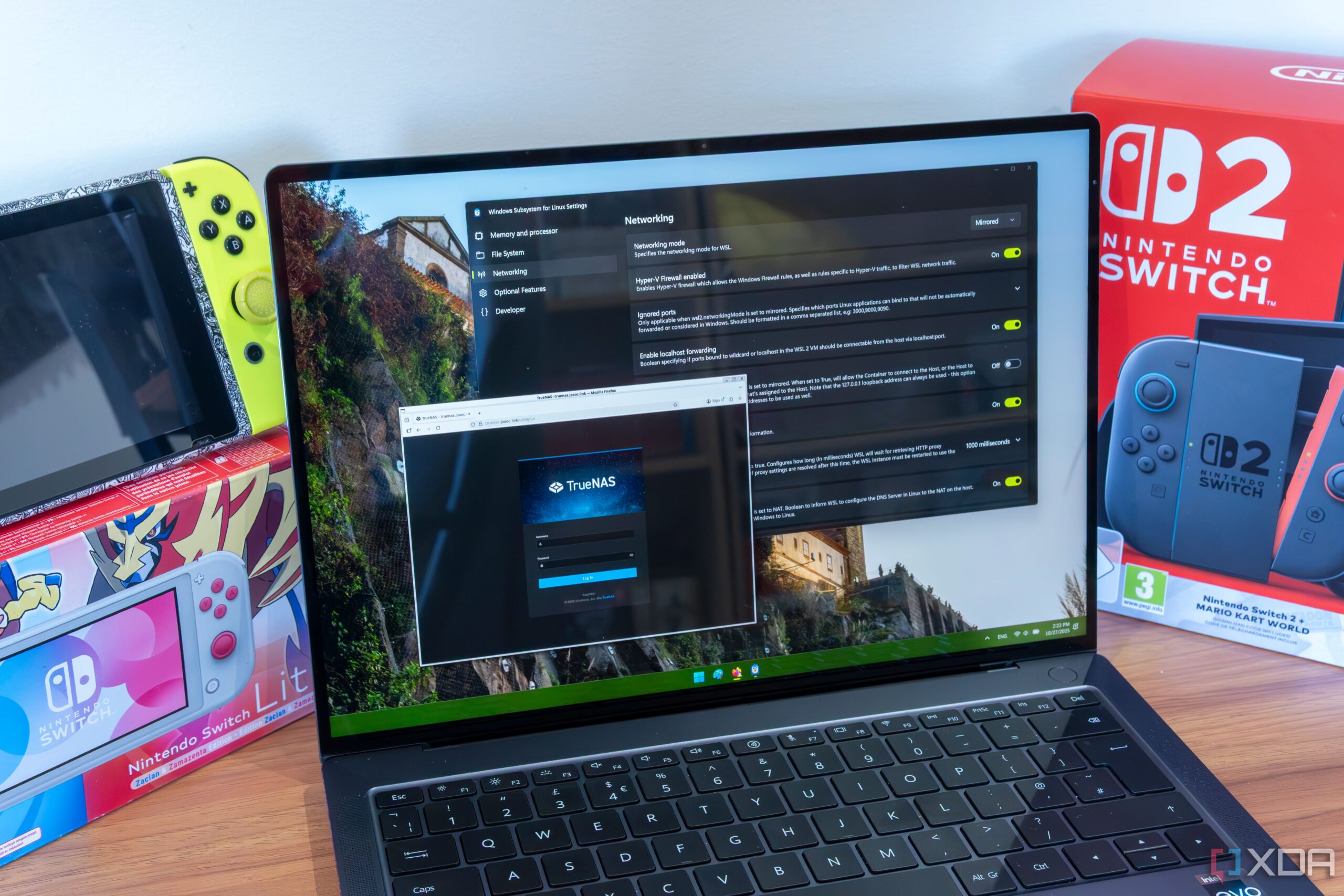
The increasing limitations of the Windows Subsystem for Linux (WSL) 2 are prompting many developers to consider running Linux natively on their hardware. While WSL 2 offers significant performance improvements and compatibility with numerous Linux tools, users have discovered that native Linux can provide a more streamlined and efficient experience for development tasks.
For many individuals who frequently switch between Windows and Linux, WSL 2 initially appears to be a viable solution. It allows users to operate Linux applications within Windows without the overhead of a traditional virtual machine. This approach aims to eliminate performance drawbacks typically associated with virtualized environments. In practice, WSL 2 has achieved impressive results, achieving around 95 percent of native Linux performance for CPU-bound tasks, such as compiling code or running test suites.
Despite these advantages, users have noted significant drawbacks, particularly regarding memory usage and disk I/O performance. WSL 2 operates as a lightweight virtual machine, which means it reserves its own memory pool. This can lead to resource competition between Windows and Linux, consuming several gigabytes of RAM on systems with limited memory. In contrast, running Linux natively ensures that all processes operate within a single operating system, eliminating unnecessary duplication.
Disk performance issues arise when accessing files stored on the Windows file system through WSL. Although the Linux filesystem within WSL offers excellent disk performance, crossing the boundary to access files on the Windows drive can be significantly slower. This is due to WSL utilizing a network-style protocol to bridge the two environments. Users may find that tasks like cloning large repositories or running package installations on Windows files can become frustratingly slow.
Many developers have discovered that relocating their projects entirely within the WSL filesystem can mitigate these issues. However, this move often results in a commitment to operating primarily within a Linux environment, raising the question of why Windows remains necessary in this setup.
The compatibility of WSL 2 with popular Linux software is one of its key strengths. Most tools, including Python, Node.js, Ruby, Java, and databases like PostgreSQL, function seamlessly. This allows developers to follow Linux-based tutorials without needing to adapt commands or configurations significantly. However, limitations arise when users attempt to engage with kernel modules or perform low-level system configurations. Tasks that require direct hardware access, such as monitoring network interfaces or using USB devices, can become cumbersome under WSL 2, complicating workflows that would be straightforward on native Linux.
Although WSL 2 excels in various areas, its limitations underscore the distinction between using Linux as merely a toolchain versus leveraging it as a full operating system. For many users, the friction introduced by WSL 2 leads to a realization that running Linux natively is more efficient and effective for their needs.
The growing sentiment among developers is not a criticism of WSL 2 but rather an acknowledgment of its capabilities and the specific contexts in which it excels. While it certainly enhances the usability of Windows machines for many workflows, the persistent issues can be significant enough to drive users to abandon WSL in favor of a more native experience.
In conclusion, as developers evaluate their workflows, the choice between WSL 2 and native Linux becomes increasingly clear. For those who prioritize performance and seamless hardware integration, transitioning to a native Linux environment may be the most logical decision.











Revolutionary Photonic Ski-Jump Could Miniaturize LiDAR Systems

Couples Detox from Plastics in New Netflix Doc: Can It Boost Fertility?

Aventon Launches Affordable Full-Suspension Electric Mountain Bike

Discover Eight Must-Try Restaurants This Spring Season

UC Irvine Team Unveils Innovative Ion Pump for Water Treatment

One-Third of Americans Trim Daily Expenses for Healthcare Needs

Apple Secures First Oscar in Three Years with F1: The Movie

Fourth Graders Celebrate St. Patrick’s Day with Creative Weather Drawings

Kim Kardashian Dazzles at Vanity Fair Oscars Party 2026

Nostradamus’ 2026 Predictions: Star Death and Dark Events Loom

Breakthroughs and Challenges Await Science in 2026

Electric Moto Influencer Surronster Arrested in Tijuana

OpenAI to Implement Age Verification for ChatGPT by December 2025

Discover the Top 10 Calorie Counting Apps of 2025

Recovering a Suspended TikTok Account: A Step-by-Step Guide

Bella Hadid Shares Health Update After Treatment for Lyme Disease

Backpack Drives Equip Students with Supplies for New School Year

Analysts Project Stronger Growth for Apple’s iPhone 17 Lineup
-
 Science8 months ago
Nostradamus’ 2026 Predictions: Star Death and Dark Events Loom
-
 Science8 months ago
Breakthroughs and Challenges Await Science in 2026
-
 Technology11 months ago
Electric Moto Influencer Surronster Arrested in Tijuana
-
 Technology9 months ago
OpenAI to Implement Age Verification for ChatGPT by December 2025
-
 Technology1 year ago
Discover the Top 10 Calorie Counting Apps of 2025
-
 Technology1 year ago
Recovering a Suspended TikTok Account: A Step-by-Step Guide
-
 Health11 months ago
Bella Hadid Shares Health Update After Treatment for Lyme Disease
-
 Education1 year ago
Backpack Drives Equip Students with Supplies for New School Year
-
 Health12 months ago
Analysts Project Stronger Growth for Apple’s iPhone 17 Lineup
-

 Health12 months ago
Japanese Study Finds Rose Oil Can Increase Brain Gray Matter
-

 Technology8 months ago
Top 10 Penny Stocks to Watch in 2026 for Strong Returns
-

 Science10 months ago
Starship V3 Set for 2026 Launch After Successful Final Test of Version 2