
Technology
Navigating the Challenges of Self-Hosting Your Email Server

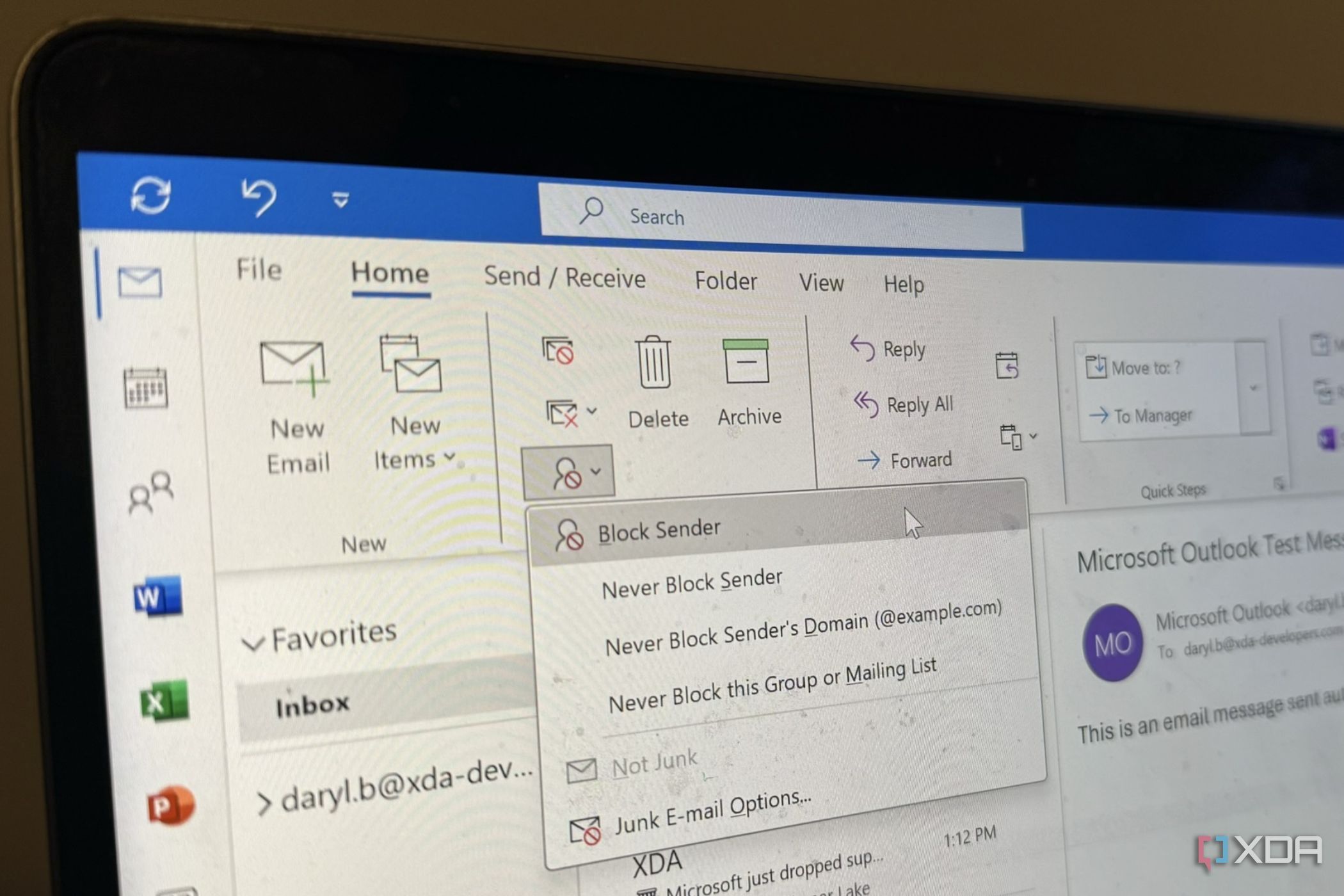
Email remains an essential communication tool for millions, yet the complexities of self-hosting an email server can deter even the most tech-savvy individuals. While self-hosting offers control over personal data, it often comes with significant challenges, particularly in regions like the USA, where Internet Service Providers (ISPs) impose various restrictions.
Many users opt for popular services such as Gmail, despite concerns regarding data privacy and advertising practices. The convenience of these cloud-based solutions often outweighs the perceived drawbacks. In contrast, self-hosting an email server can be a daunting task, especially when faced with issues such as unreliable connectivity and potential security vulnerabilities.
Understanding the Pitfalls of Self-Hosting
Self-hosting an email server requires constant availability and reliability. Unlike other self-hosted services, where temporary outages may be tolerable, email servers must operate effectively around the clock. An unexpected outage can lead to lost communications, which is particularly problematic in professional settings.
For instance, adverse weather conditions can disrupt Internet connectivity. A recent incident involving snow and high winds caused an outage that affected not only Internet service but also power supply. Such situations highlight the fragility of home-based email servers. A reliable email service needs a stable connection every day of the year, which is challenging for many individuals.
Many users seek out self-hosting as a way to avoid the incremental costs associated with cloud email providers. While these services often start with free storage, users quickly find themselves bombarded with upgrade offers when they near their limits. However, self-hosting carries its own costs, including increased electricity bills for maintaining a server and potential expenses for hardware like a Network Attached Storage (NAS) device.
Furthermore, ISPs in the USA often block critical ports, including port 25, which is essential for email transmission. This limitation can hinder the effectiveness of self-hosted email servers, particularly for users without business-grade Internet plans. As a result, many self-hosters face difficulties in ensuring their emails reach intended recipients.
Security and Deliverability Challenges
The email protocol has evolved significantly since its inception, yet it remains vulnerable to various security issues. The combination of spam filters, antivirus software, and IP blocklists complicates deliverability for self-hosted email servers. Large email providers typically prioritize messages from established domains, leaving newer or smaller servers at a disadvantage.
The reputation of an email domain plays a crucial role in delivery success. If a self-hosted server’s IP address becomes associated with spam activities, it may find itself on multiple blocklists. Unfortunately, there is no centralized authority for removal, making it a tedious and often frustrating process.
To counteract these challenges, many individuals consider utilizing third-party relay services. These services temporarily store emails before forwarding them, but this approach raises questions about whether it is fundamentally different from using a cloud provider, given the similar costs involved.
For those who prioritize data ownership over convenience, the challenges of self-hosting require careful consideration. Although the prospect of managing one’s email data may seem appealing, the reality involves navigating a complex landscape filled with barriers and potential pitfalls.
As the email landscape continues to evolve, users must weigh the benefits of self-hosting against the significant challenges it presents. Those uncomfortable with the thought of major providers like Yahoo! or Gmail accessing their data may find value in exploring smaller, privacy-focused email providers. Ultimately, the subscription fees for these services can be a worthwhile investment for enhanced security and peace of mind.













Revolutionary Photonic Ski-Jump Could Miniaturize LiDAR Systems

Couples Detox from Plastics in New Netflix Doc: Can It Boost Fertility?

Aventon Launches Affordable Full-Suspension Electric Mountain Bike

Discover Eight Must-Try Restaurants This Spring Season

UC Irvine Team Unveils Innovative Ion Pump for Water Treatment

One-Third of Americans Trim Daily Expenses for Healthcare Needs

Apple Secures First Oscar in Three Years with F1: The Movie

Fourth Graders Celebrate St. Patrick’s Day with Creative Weather Drawings

Kim Kardashian Dazzles at Vanity Fair Oscars Party 2026

Nostradamus’ 2026 Predictions: Star Death and Dark Events Loom

Breakthroughs and Challenges Await Science in 2026

Electric Moto Influencer Surronster Arrested in Tijuana

OpenAI to Implement Age Verification for ChatGPT by December 2025

Discover the Top 10 Calorie Counting Apps of 2025

Bella Hadid Shares Health Update After Treatment for Lyme Disease

Analysts Project Stronger Growth for Apple’s iPhone 17 Lineup

Japanese Study Finds Rose Oil Can Increase Brain Gray Matter

Top 10 Penny Stocks to Watch in 2026 for Strong Returns
-
 Science3 months ago
Nostradamus’ 2026 Predictions: Star Death and Dark Events Loom
-
 Science4 months ago
Breakthroughs and Challenges Await Science in 2026
-
 Technology7 months ago
Electric Moto Influencer Surronster Arrested in Tijuana
-
 Technology4 months ago
OpenAI to Implement Age Verification for ChatGPT by December 2025
-
 Technology9 months ago
Discover the Top 10 Calorie Counting Apps of 2025
-
 Health7 months ago
Bella Hadid Shares Health Update After Treatment for Lyme Disease
-
 Health7 months ago
Analysts Project Stronger Growth for Apple’s iPhone 17 Lineup
-
 Health7 months ago
Japanese Study Finds Rose Oil Can Increase Brain Gray Matter
-
 Technology4 months ago
Top 10 Penny Stocks to Watch in 2026 for Strong Returns
-

 Science6 months ago
Starship V3 Set for 2026 Launch After Successful Final Test of Version 2
-

 Technology1 month ago
Nvidia GTC 2026: Major Announcements Expected for AI and Hardware
-

 Education7 months ago
Harvard Secures Court Victory Over Federal Funding Cuts