
Technology
Lord Miles Creates ‘Most Secure’ Phone, Then Reverts to Samsung

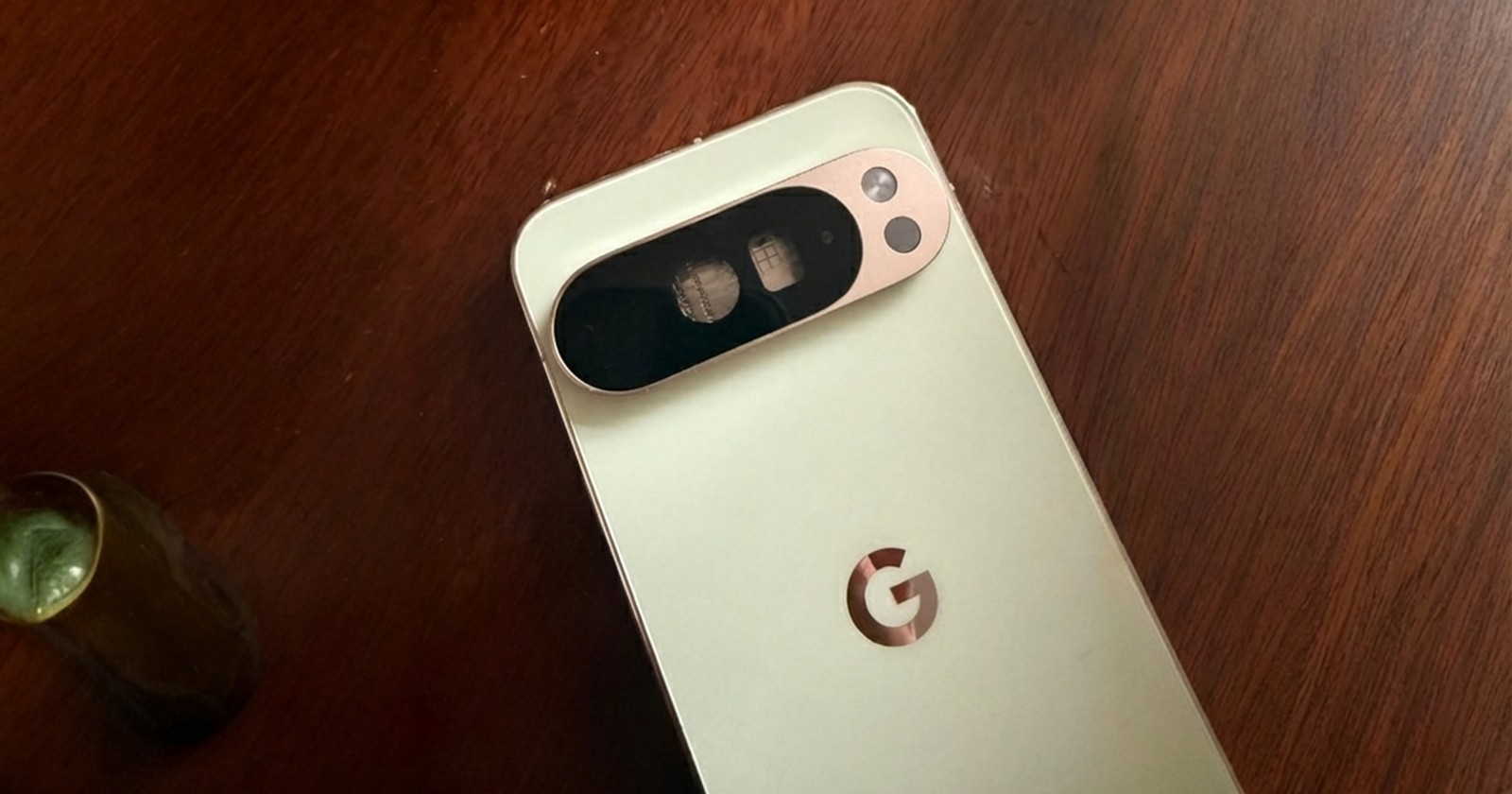
British YouTuber and self-described “danger tourist,” Miles Routledge, known as Lord Miles, has garnered attention for his extreme approach to smartphone security. Following extensive travel in conflict zones, including Afghanistan and Ukraine, he revealed a heavily modified Google Pixel 10 Pro XL that he claims is the “most secure” device available outside of government use. However, the story takes an unexpected turn as he ultimately opts to use a Samsung phone instead.
In a recent post on X (formerly Twitter), Routledge displayed his creation, which he dubbed the “schizo phone.” This device has been stripped of essential features, including all cameras, the accelerometer, speakers, microphone, and even the temperature sensor. The charging port has been sealed with epoxy, rendering the phone a solid slab. According to his post, which has reached over 4.4 million views, the phone operates on GrapheneOS, a privacy-focused version of Android.
Routledge’s modifications extend beyond software. He incorporated an anti-tamper mechanism that, if the back of the phone is opened, activates a capacitor to deliver a jolt of 80 volts to the device’s memory, effectively erasing data. Additionally, the phone is programmed to restart every ten minutes, requiring the user to input a lengthy password repeatedly. This level of security is particularly relevant for someone like Routledge, who has faced potential detainment by intelligence agencies in his travels.
Charging the device presents a unique challenge, as the absence of a USB-C port means that Routledge relies solely on wireless charging. His rationale is that physical ports can be exploited for data recovery, and by eliminating them, he believes he can enhance security.
Despite the extensive engineering efforts, Routledge humorously acknowledged the impracticality of his creation. Shortly after unveiling the device, he commented on X that he had removed the battery, SIM card tray, motherboard, and screen, leaving him with “just an empty slab of metal.” He ultimately decided to purchase a Samsung phone, enabling all location and data permissions for everyday use while carrying both devices.
This decision illustrates the paradox of modern security measures: the lengths to which individuals will go to maintain privacy often compromise the very functionality that makes smartphones useful. The situation reflects the ongoing struggle for privacy in an increasingly connected world, highlighting the absurdity of needing such extreme modifications to ensure digital security.
While GrapheneOS has not yet commented on this specific iteration of the Pixel 10, the project typically promotes a balance between security and usability. Routledge’s shocking approach, including the 80-volt data destruction mechanism, is unlikely to align with their standard guidelines.
For those unfamiliar with Miles Routledge, his online presence as a “danger tourist” began to gain traction during significant global events, including the fall of Kabul. His experiences in high-risk environments have undoubtedly influenced his radical approach to smartphone security.
As privacy concerns continue to mount, Routledge’s story serves as a humorous yet thought-provoking exploration of the extremes individuals might consider in pursuit of digital security.












Revolutionary Photonic Ski-Jump Could Miniaturize LiDAR Systems

Couples Detox from Plastics in New Netflix Doc: Can It Boost Fertility?

Aventon Launches Affordable Full-Suspension Electric Mountain Bike

Discover Eight Must-Try Restaurants This Spring Season

UC Irvine Team Unveils Innovative Ion Pump for Water Treatment

One-Third of Americans Trim Daily Expenses for Healthcare Needs

Apple Secures First Oscar in Three Years with F1: The Movie

Fourth Graders Celebrate St. Patrick’s Day with Creative Weather Drawings

Kim Kardashian Dazzles at Vanity Fair Oscars Party 2026

Nostradamus’ 2026 Predictions: Star Death and Dark Events Loom

Breakthroughs and Challenges Await Science in 2026

Electric Moto Influencer Surronster Arrested in Tijuana

OpenAI to Implement Age Verification for ChatGPT by December 2025

Discover the Top 10 Calorie Counting Apps of 2025

Recovering a Suspended TikTok Account: A Step-by-Step Guide

Bella Hadid Shares Health Update After Treatment for Lyme Disease

Backpack Drives Equip Students with Supplies for New School Year

Analysts Project Stronger Growth for Apple’s iPhone 17 Lineup
-
 Science8 months ago
Nostradamus’ 2026 Predictions: Star Death and Dark Events Loom
-
 Science8 months ago
Breakthroughs and Challenges Await Science in 2026
-
 Technology11 months ago
Electric Moto Influencer Surronster Arrested in Tijuana
-
 Technology9 months ago
OpenAI to Implement Age Verification for ChatGPT by December 2025
-
 Technology1 year ago
Discover the Top 10 Calorie Counting Apps of 2025
-
 Technology1 year ago
Recovering a Suspended TikTok Account: A Step-by-Step Guide
-
 Health11 months ago
Bella Hadid Shares Health Update After Treatment for Lyme Disease
-
 Education1 year ago
Backpack Drives Equip Students with Supplies for New School Year
-
 Health11 months ago
Analysts Project Stronger Growth for Apple’s iPhone 17 Lineup
-

 Health12 months ago
Japanese Study Finds Rose Oil Can Increase Brain Gray Matter
-

 Technology8 months ago
Top 10 Penny Stocks to Watch in 2026 for Strong Returns
-

 Science10 months ago
Starship V3 Set for 2026 Launch After Successful Final Test of Version 2