
Technology
Gamers Must Prioritize Response Time Over Refresh Rate in Monitors

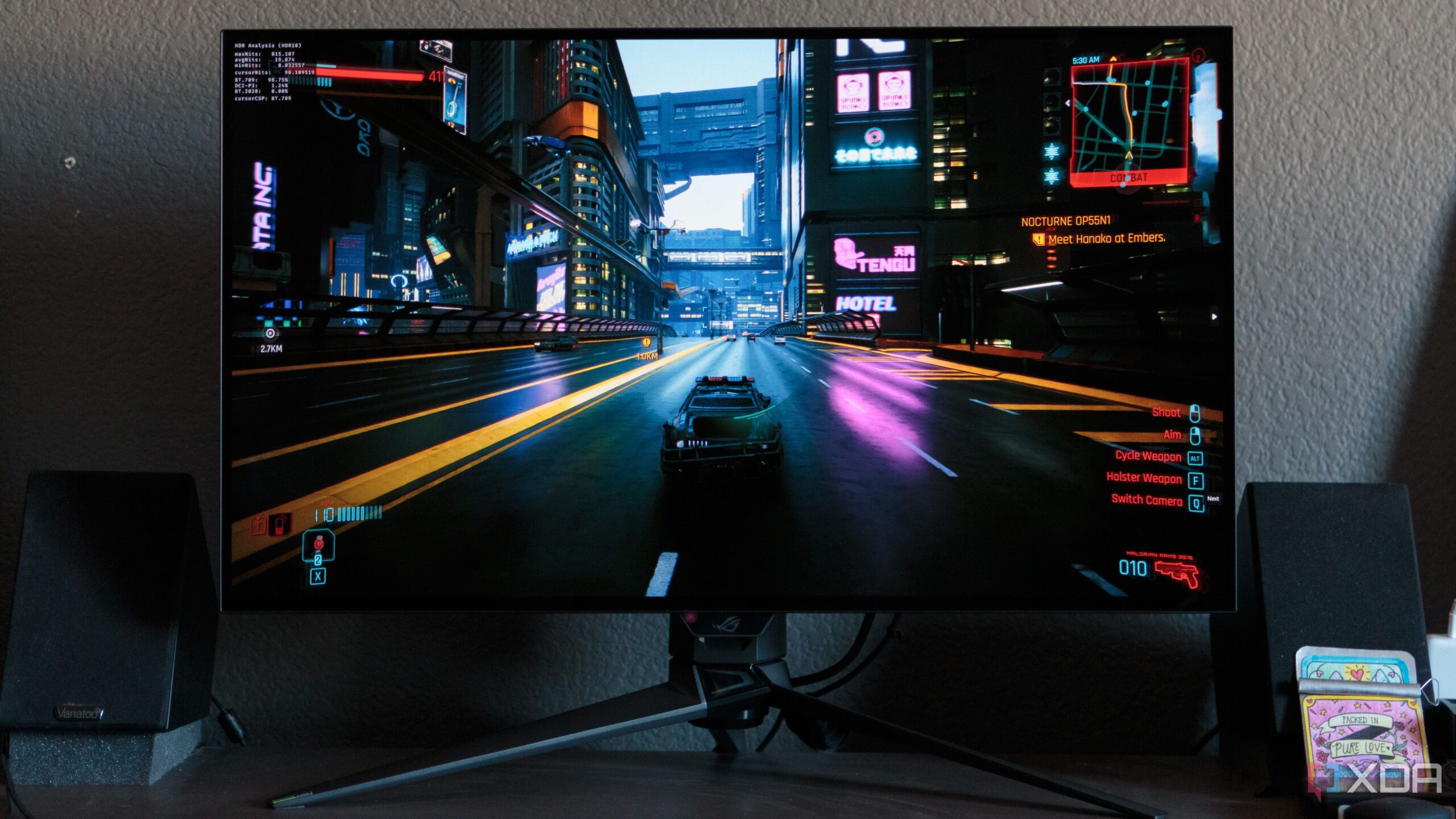
Gamers are increasingly focusing on monitor specifications to enhance their gaming experience, particularly in fast-paced titles. While a refresh rate of 144Hz is often highlighted as superior to the standard 60Hz, experts emphasize that response time is equally, if not more, crucial for optimal performance. This insight is becoming important for those looking to invest in gaming equipment.
The refresh rate indicates how many times a monitor can refresh the image per second. Higher refresh rates can provide smoother visuals, which is essential in fast-moving games. However, even with identical refresh rates, the response time—the speed at which a pixel changes from one color to another—can significantly affect gameplay. For example, two monitors may both have a refresh rate of 144Hz, yet one may show motion blur or ghosting due to slower response times.
Understanding the Impact of Response Times
The importance of response time cannot be overstated. A monitor with a response time of 1ms will perform distinctly better during rapid movements compared to one with a response time of 5ms. This discrepancy can be particularly noticeable in competitive gaming, where every millisecond counts. Gamers seeking the edge often turn to monitors that not only boast high refresh rates but also have exceptionally low response times.
Moreover, the technology behind these monitors plays a significant role in their performance. For instance, TN (Twisted Nematic) panels typically offer faster response times but may compromise on color accuracy and viewing angles compared to IPS (In-Plane Switching) panels. Conversely, while IPS panels provide better color reproduction and wider viewing angles, they often have slightly slower response times. This trade-off is an essential consideration for gamers who value both visual fidelity and responsive gameplay.
Choosing the Right Monitor for Gaming
When selecting a gaming monitor, it is vital to consider both specifications. Potential buyers should look for models that balance high refresh rates with low response times to achieve the best performance. For example, monitors that combine a refresh rate of 144Hz with a 1ms response time are often recommended by gaming enthusiasts and professionals alike.
In conclusion, while a higher refresh rate can enhance motion clarity and overall gaming experience, response time remains a critical factor that can dramatically influence performance. Gamers are advised to prioritize both specifications when making their choices, ensuring that they invest in equipment that meets their competitive needs.











Revolutionary Photonic Ski-Jump Could Miniaturize LiDAR Systems

Couples Detox from Plastics in New Netflix Doc: Can It Boost Fertility?

Aventon Launches Affordable Full-Suspension Electric Mountain Bike

Discover Eight Must-Try Restaurants This Spring Season

UC Irvine Team Unveils Innovative Ion Pump for Water Treatment

One-Third of Americans Trim Daily Expenses for Healthcare Needs

Apple Secures First Oscar in Three Years with F1: The Movie

Fourth Graders Celebrate St. Patrick’s Day with Creative Weather Drawings

Kim Kardashian Dazzles at Vanity Fair Oscars Party 2026

Nostradamus’ 2026 Predictions: Star Death and Dark Events Loom

Breakthroughs and Challenges Await Science in 2026

Electric Moto Influencer Surronster Arrested in Tijuana

OpenAI to Implement Age Verification for ChatGPT by December 2025

Discover the Top 10 Calorie Counting Apps of 2025

Recovering a Suspended TikTok Account: A Step-by-Step Guide

Bella Hadid Shares Health Update After Treatment for Lyme Disease

Backpack Drives Equip Students with Supplies for New School Year

Analysts Project Stronger Growth for Apple’s iPhone 17 Lineup
-
 Science8 months ago
Nostradamus’ 2026 Predictions: Star Death and Dark Events Loom
-
 Science8 months ago
Breakthroughs and Challenges Await Science in 2026
-
 Technology11 months ago
Electric Moto Influencer Surronster Arrested in Tijuana
-
 Technology9 months ago
OpenAI to Implement Age Verification for ChatGPT by December 2025
-
 Technology1 year ago
Discover the Top 10 Calorie Counting Apps of 2025
-
 Technology1 year ago
Recovering a Suspended TikTok Account: A Step-by-Step Guide
-
 Health11 months ago
Bella Hadid Shares Health Update After Treatment for Lyme Disease
-
 Education1 year ago
Backpack Drives Equip Students with Supplies for New School Year
-
 Health12 months ago
Analysts Project Stronger Growth for Apple’s iPhone 17 Lineup
-

 Health12 months ago
Japanese Study Finds Rose Oil Can Increase Brain Gray Matter
-

 Technology8 months ago
Top 10 Penny Stocks to Watch in 2026 for Strong Returns
-

 Science10 months ago
Starship V3 Set for 2026 Launch After Successful Final Test of Version 2