
Science
Researchers Explore Ethical Boundaries of Human Embryo Models

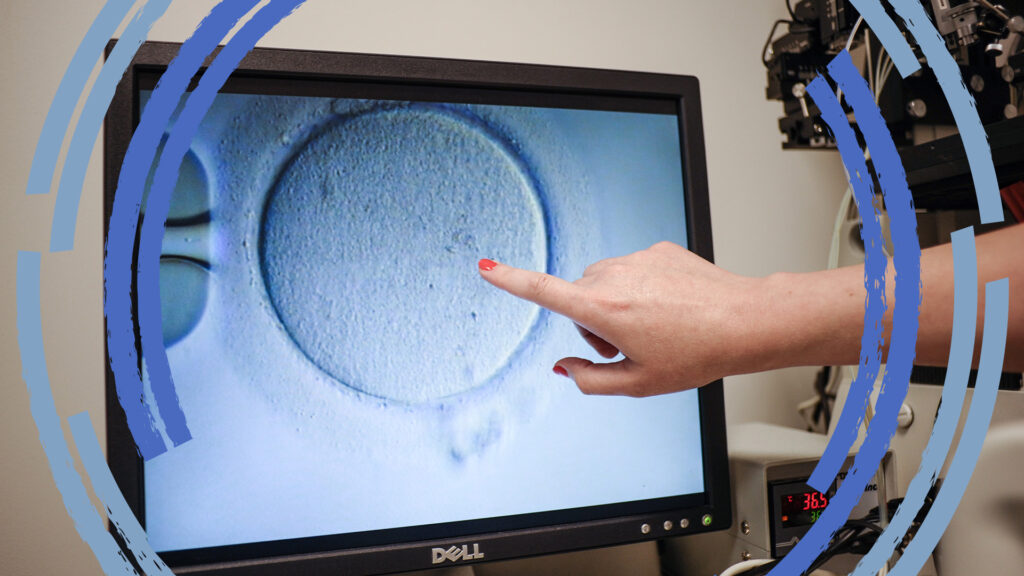
Researchers are advancing the development of highly realistic human embryo models using stem cells, pushing the boundaries of scientific understanding. The latest models replicate human embryos so closely that they evoke both excitement and unease regarding their implications for research and ethics.
One primary objective of creating these embryo models is to enhance comprehension of early human development and the diseases associated with it. Additionally, these models hold the potential to serve as a significant source of tissues for clinical applications, potentially offering alternatives to traditional organ transplantation.
The innovative nature of these models has sparked a range of discussions among biologists, particularly regarding ethical considerations and the duration for which these human embryo-like structures should be cultivated in laboratory settings. Recently, a group of experts called for a strict eight-week limit on the growth of these models, with a recommendation to halt most research at four weeks. This proposal has generated significant debate, as some researchers advocate for extended periods of study to fully explore the models’ potential.
Ethical Dilemmas and Scientific Opportunities
The discourse surrounding embryo modeling is not merely academic; it raises fundamental ethical dilemmas that will shape the future of this emerging field. Proponents argue that the potential benefits far outweigh the risks, emphasizing the unique research opportunities these models provide. They believe that understanding the intricacies of early human development could unveil insights into various medical conditions and lead to breakthroughs in treatment.
On the other hand, opponents caution against the implications of creating life-like models. They express concerns about the moral responsibilities that come with manipulating human development. As the technology advances, the scientific community must grapple with not only the practical applications but also the ethical frameworks that govern them.
The resolution of these dilemmas will greatly influence the trajectory of research in this area. As discussions continue, the challenge remains to strike a balance between scientific pursuit and ethical considerations. The ongoing debates reflect a broader dialogue on the role of science in society and the responsibilities of researchers in navigating complex moral landscapes.
The future of human embryo models is poised at a critical juncture. As researchers delve deeper into this groundbreaking field, the outcomes of these discussions may determine the pace and direction of future studies. The potential for significant scientific advancement exists, but it must be carefully weighed against ethical implications to ensure responsible progress.





Revolutionary Photonic Ski-Jump Could Miniaturize LiDAR Systems

Couples Detox from Plastics in New Netflix Doc: Can It Boost Fertility?

Aventon Launches Affordable Full-Suspension Electric Mountain Bike

Discover Eight Must-Try Restaurants This Spring Season

UC Irvine Team Unveils Innovative Ion Pump for Water Treatment

One-Third of Americans Trim Daily Expenses for Healthcare Needs

Apple Secures First Oscar in Three Years with F1: The Movie

Fourth Graders Celebrate St. Patrick’s Day with Creative Weather Drawings

Kim Kardashian Dazzles at Vanity Fair Oscars Party 2026

Nostradamus’ 2026 Predictions: Star Death and Dark Events Loom

Breakthroughs and Challenges Await Science in 2026

Electric Moto Influencer Surronster Arrested in Tijuana

OpenAI to Implement Age Verification for ChatGPT by December 2025

Discover the Top 10 Calorie Counting Apps of 2025

Recovering a Suspended TikTok Account: A Step-by-Step Guide

Bella Hadid Shares Health Update After Treatment for Lyme Disease

Backpack Drives Equip Students with Supplies for New School Year

Analysts Project Stronger Growth for Apple’s iPhone 17 Lineup
-
 Science8 months ago
Nostradamus’ 2026 Predictions: Star Death and Dark Events Loom
-
 Science8 months ago
Breakthroughs and Challenges Await Science in 2026
-
 Technology11 months ago
Electric Moto Influencer Surronster Arrested in Tijuana
-
 Technology9 months ago
OpenAI to Implement Age Verification for ChatGPT by December 2025
-
 Technology1 year ago
Discover the Top 10 Calorie Counting Apps of 2025
-
 Technology1 year ago
Recovering a Suspended TikTok Account: A Step-by-Step Guide
-
 Health11 months ago
Bella Hadid Shares Health Update After Treatment for Lyme Disease
-
 Education1 year ago
Backpack Drives Equip Students with Supplies for New School Year
-
 Health11 months ago
Analysts Project Stronger Growth for Apple’s iPhone 17 Lineup
-

 Health12 months ago
Japanese Study Finds Rose Oil Can Increase Brain Gray Matter
-

 Technology8 months ago
Top 10 Penny Stocks to Watch in 2026 for Strong Returns
-

 Science10 months ago
Starship V3 Set for 2026 Launch After Successful Final Test of Version 2