
Technology
Discover Hot Rod Culture: 10 Essential Terms Explained

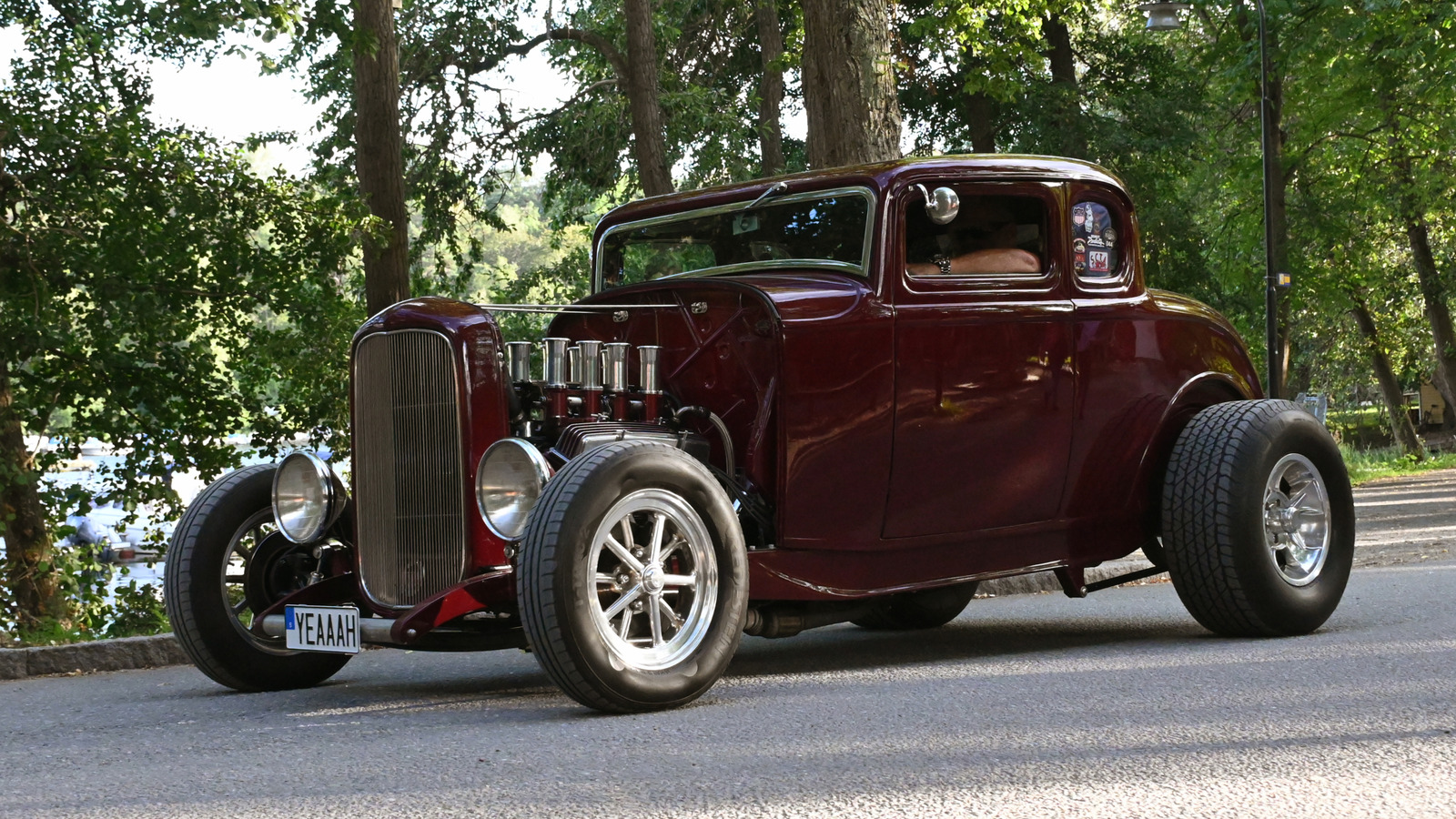
The world of hot rodding is rich with unique vocabulary that reflects a culture steeped in creativity and engineering innovation. Emerging in the 1920s and 1930s, hot rodding has evolved from a simple hobby into a thriving industry, particularly in the United States. As enthusiasts modify vehicles for enhanced performance and aesthetic appeal, certain terms have become essential to understanding this vibrant community. Here are ten key hot rod terms and their meanings to help navigate this fascinating realm.
Understanding Hot Rod Terminology
One of the most evocative phrases in hot rod culture is “boiling the hides.” This term captures the thrill of performing a burnout, where tires are deliberately spun to create smoke and noise. The phrase reflects the passion of car enthusiasts who prioritize the excitement of performance over the cost of new tires. Historically, tires were crafted from leather, and the act of burning rubber has become a hallmark of hot rodding.
Another common term is “channeling.” This modification involves lowering a car’s body over its frame by cutting out the floor and reinstalling it at a higher level. This technique not only enhances the vehicle’s aesthetic but also reduces wind resistance, allowing for greater speed. While West Coast builders often pair channeling with a chopped windscreen for a more aggressive look, East Coast enthusiasts typically retain the factory windshield height.
Classic Modifications and Their Meanings
“Frenching” is a technique used to create a smoother appearance by recessing components like headlights and taillights into the body of the vehicle. This method has roots in the 1930s and gained traction throughout the following decades as builders sought to eliminate visible bezels and achieve a sleek design.
The term “gasser” refers to a specific type of hot rod that originated in the 1950s and 1960s, primarily at drag strips. Gassers were street cars modified for racing, featuring enhancements such as engine repositioning and lightweight materials. This category allowed garage mechanics to push the limits of performance while participating in official racing events sanctioned by the National Hot Rod Association.
The “lead sled” represents a different facet of hot rodding, focusing on style rather than speed. Typically based on 1949 to 1951 Mercury models, lead sleds undergo extensive modifications that create a long, low profile. Legendary builder Sam Barris is credited with popularizing this design at the Oakland Roadster Show in 1950.
The term “one-legger” describes vehicles equipped with an open differential, which sends power to only one rear wheel during a burnout. This term is often used in contrast to “positraction” vehicles, which distribute power evenly to both wheels, enhancing traction and performance.
In the realm of forced induction, turbochargers are colloquially referred to as “snails” or “hair dryers,” named for their distinctive shapes. These devices increase engine power by forcing more air into the combustion chamber. The popularity of turbocharging has grown significantly since its introduction in the automotive industry, with hot rodders adopting this technology to boost performance.
“Slammed” cars are characterized by their extremely low ride height, achieved through modifications such as coilover systems. While the appearance may suggest recklessness, the proper technique can maintain safety and compliance with regulations. This aesthetic choice emphasizes the rebellious spirit of hot rodding.
Lastly, “zoomies” are a type of exhaust system that exits directly from the engine, often at unusual angles. Unlike traditional exhaust systems, which run beneath the vehicle, zoomies are designed to create a loud and aggressive sound. While popular in racing circles, their use is often restricted on public roads due to noise and environmental regulations.
In conclusion, the language of hot rodding reflects a unique blend of creativity, engineering, and passion. Understanding these terms can provide greater insight into the culture and the enthusiasts who continue to innovate and push the boundaries of automotive performance. Whether modifying for speed or style, hot rodders remain dedicated to their craft, embodying a spirit of individuality in every build.












Revolutionary Photonic Ski-Jump Could Miniaturize LiDAR Systems

Couples Detox from Plastics in New Netflix Doc: Can It Boost Fertility?

Aventon Launches Affordable Full-Suspension Electric Mountain Bike

Discover Eight Must-Try Restaurants This Spring Season

UC Irvine Team Unveils Innovative Ion Pump for Water Treatment

One-Third of Americans Trim Daily Expenses for Healthcare Needs

Apple Secures First Oscar in Three Years with F1: The Movie

Fourth Graders Celebrate St. Patrick’s Day with Creative Weather Drawings

Kim Kardashian Dazzles at Vanity Fair Oscars Party 2026

Nostradamus’ 2026 Predictions: Star Death and Dark Events Loom

Breakthroughs and Challenges Await Science in 2026

Electric Moto Influencer Surronster Arrested in Tijuana

OpenAI to Implement Age Verification for ChatGPT by December 2025

Discover the Top 10 Calorie Counting Apps of 2025

Recovering a Suspended TikTok Account: A Step-by-Step Guide

Bella Hadid Shares Health Update After Treatment for Lyme Disease

Backpack Drives Equip Students with Supplies for New School Year

Analysts Project Stronger Growth for Apple’s iPhone 17 Lineup
-
 Science8 months ago
Nostradamus’ 2026 Predictions: Star Death and Dark Events Loom
-
 Science8 months ago
Breakthroughs and Challenges Await Science in 2026
-
 Technology11 months ago
Electric Moto Influencer Surronster Arrested in Tijuana
-
 Technology9 months ago
OpenAI to Implement Age Verification for ChatGPT by December 2025
-
 Technology1 year ago
Discover the Top 10 Calorie Counting Apps of 2025
-
 Technology1 year ago
Recovering a Suspended TikTok Account: A Step-by-Step Guide
-
 Health11 months ago
Bella Hadid Shares Health Update After Treatment for Lyme Disease
-
 Education1 year ago
Backpack Drives Equip Students with Supplies for New School Year
-
 Health12 months ago
Analysts Project Stronger Growth for Apple’s iPhone 17 Lineup
-

 Health12 months ago
Japanese Study Finds Rose Oil Can Increase Brain Gray Matter
-

 Technology8 months ago
Top 10 Penny Stocks to Watch in 2026 for Strong Returns
-

 Science10 months ago
Starship V3 Set for 2026 Launch After Successful Final Test of Version 2