
Science
WHO Reports Alarming Rise in Drug-Resistant Bacteria, Urges Action

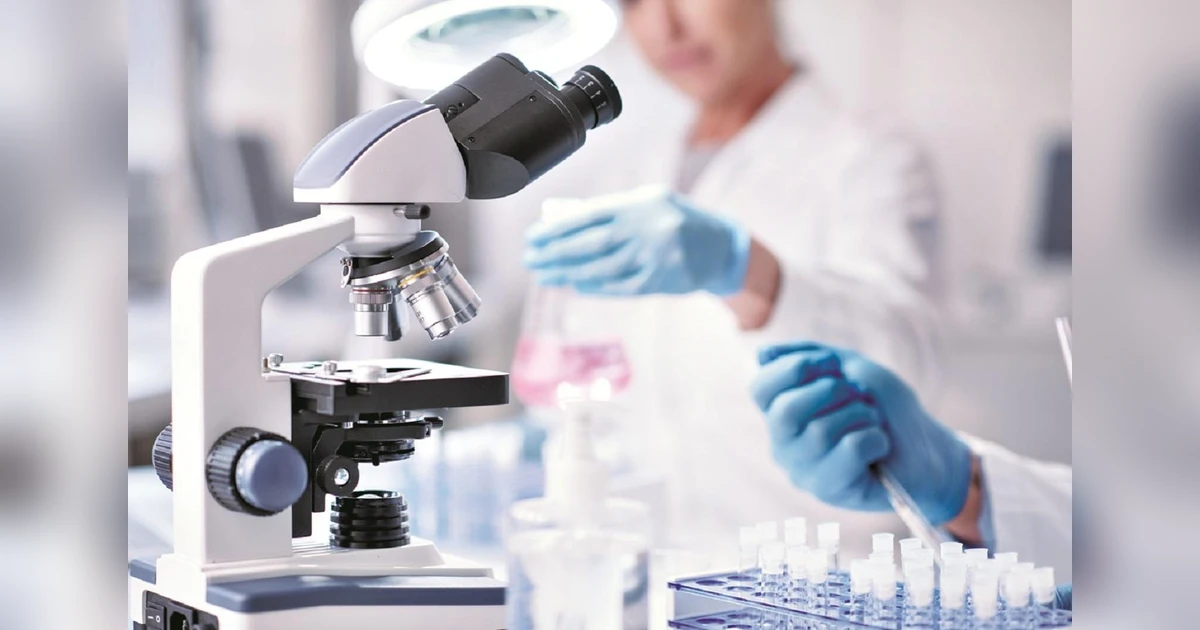
The World Health Organization (WHO) has issued a stark warning regarding a significant increase in drug-resistant bacteria, labeling it as a global health crisis. The organization emphasized that the current pace of innovation in new treatments is insufficient to combat this rising threat.
Recent statistics reveal that antimicrobial resistance (AMR) is responsible for at least **1.27 million deaths** annually. More than **700,000** people die each year due to infections that cannot be treated with existing antibiotics. The WHO’s latest report highlights the urgent need for innovative solutions to address these alarming figures.
Stagnation in Treatment Development
Despite the pressing need, the WHO noted that there has been a stagnation in the development of new antibiotics and treatments. The organization pointed out that only **12 new antibiotics** have entered the market since **2000**, a concerning figure given the increasing prevalence of resistant infections.
The report underscores that **80%** of the world’s population relies on antibiotics, highlighting the critical importance of ensuring effective treatment options. In response to the crisis, the WHO encourages collaboration among governments, researchers, and pharmaceutical companies to accelerate the discovery of new therapies.
The Broader Implications of AMR
The implications of drug-resistant bacteria extend beyond individual health concerns. AMR threatens to undermine decades of medical advancements, making previously treatable conditions increasingly dangerous. The WHO has called for immediate action to address this issue, emphasizing that without new treatments, routine surgeries and procedures may become life-threatening.
The organization advocates for increased funding for research and development in this area, urging nations to prioritize AMR as a critical component of their health strategies. Countries are encouraged to implement robust surveillance systems to monitor the spread of resistant bacteria and to enhance public awareness about the prudent use of antibiotics.
The WHO’s report serves not only as a wake-up call but also as a call to action for global stakeholders. With the rise of drug-resistant infections threatening public health, the need for innovative solutions has never been more urgent. The future of effective healthcare relies on the collective efforts of the global community to combat this growing crisis.









Revolutionary Photonic Ski-Jump Could Miniaturize LiDAR Systems

Couples Detox from Plastics in New Netflix Doc: Can It Boost Fertility?

Aventon Launches Affordable Full-Suspension Electric Mountain Bike

Discover Eight Must-Try Restaurants This Spring Season

UC Irvine Team Unveils Innovative Ion Pump for Water Treatment

One-Third of Americans Trim Daily Expenses for Healthcare Needs

Apple Secures First Oscar in Three Years with F1: The Movie

Fourth Graders Celebrate St. Patrick’s Day with Creative Weather Drawings

Kim Kardashian Dazzles at Vanity Fair Oscars Party 2026

Nostradamus’ 2026 Predictions: Star Death and Dark Events Loom

Breakthroughs and Challenges Await Science in 2026

Electric Moto Influencer Surronster Arrested in Tijuana

OpenAI to Implement Age Verification for ChatGPT by December 2025

Discover the Top 10 Calorie Counting Apps of 2025

Recovering a Suspended TikTok Account: A Step-by-Step Guide

Bella Hadid Shares Health Update After Treatment for Lyme Disease

Backpack Drives Equip Students with Supplies for New School Year

Analysts Project Stronger Growth for Apple’s iPhone 17 Lineup
-
 Science8 months ago
Nostradamus’ 2026 Predictions: Star Death and Dark Events Loom
-
 Science8 months ago
Breakthroughs and Challenges Await Science in 2026
-
 Technology11 months ago
Electric Moto Influencer Surronster Arrested in Tijuana
-
 Technology8 months ago
OpenAI to Implement Age Verification for ChatGPT by December 2025
-
 Technology1 year ago
Discover the Top 10 Calorie Counting Apps of 2025
-
 Technology1 year ago
Recovering a Suspended TikTok Account: A Step-by-Step Guide
-
 Health11 months ago
Bella Hadid Shares Health Update After Treatment for Lyme Disease
-
 Education1 year ago
Backpack Drives Equip Students with Supplies for New School Year
-
 Health11 months ago
Analysts Project Stronger Growth for Apple’s iPhone 17 Lineup
-

 Health11 months ago
Japanese Study Finds Rose Oil Can Increase Brain Gray Matter
-

 Technology8 months ago
Top 10 Penny Stocks to Watch in 2026 for Strong Returns
-

 Science10 months ago
Starship V3 Set for 2026 Launch After Successful Final Test of Version 2