
Science
U.S. Government Rejects Concerns Over Declining Oil Demand

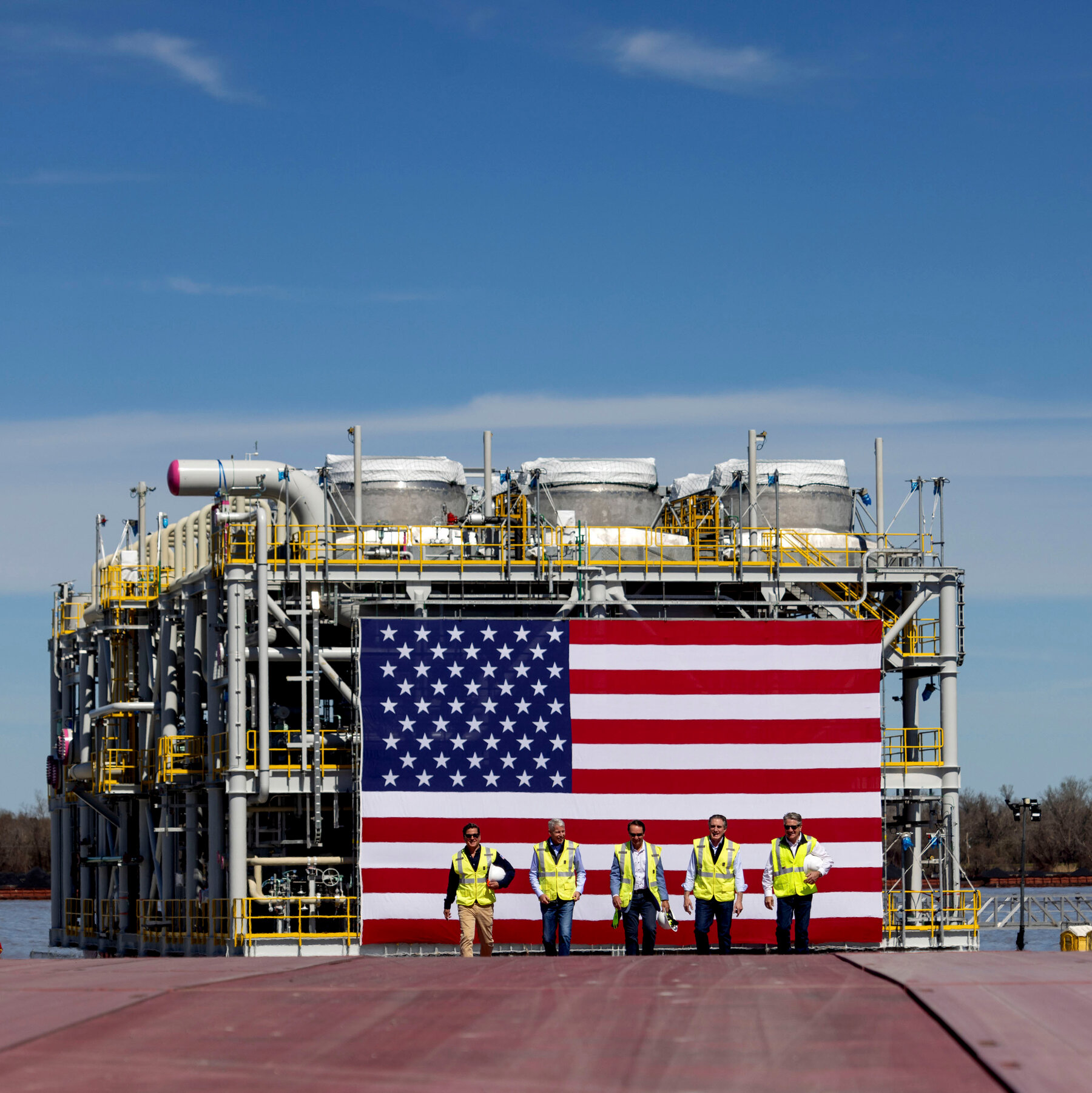
The Trump Administration has expressed its discontent with the International Energy Agency (IEA) following the organization’s forecast suggesting that global oil and gas consumption could begin to decline. This prediction comes as countries around the world increasingly shift towards cleaner energy alternatives, raising questions about the long-term viability of fossil fuels.
The IEA’s report highlights a growing trend in the energy sector, where renewable sources are gaining traction. According to the agency, advancements in technology and changing consumer preferences are driving a transition that could significantly reduce reliance on oil and gas. As more nations commit to achieving net-zero emissions by 2050, the outlook for fossil fuels appears increasingly uncertain.
In response to the IEA’s findings, officials from the Trump Administration have criticized the report, arguing that it does not accurately reflect the current state of the energy market. They contend that oil and gas will remain essential components of the global energy mix for the foreseeable future. This stance underscores a broader conflict between traditional energy stakeholders and advocates of renewable energy.
Oil production continues to play a crucial role in the United States economy. In 2022, the U.S. produced approximately 12 million barrels of crude oil per day, remaining one of the world’s largest oil producers. This production level is critical not only for domestic energy needs but also for international markets.
As countries pursue aggressive climate goals, the energy sector faces mounting pressure to adapt. The IEA’s projections indicate that by 2025, demand for oil could peak, particularly in developed economies. This potential decline is further supported by investments in renewable energy, with solar and wind energy gaining ground as viable alternatives.
The implications of this shift are significant. If the IEA’s predictions hold true, it could reshape the entire energy landscape, affecting jobs, investments, and geopolitical dynamics. The transition to cleaner energy sources is expected to create new opportunities while challenging existing industries.
Despite the Trump Administration’s dismissal of the IEA’s report, the conversation surrounding energy consumption is evolving. As public awareness of climate change grows, and as policies increasingly favor sustainable practices, the demand for fossil fuels may wane more rapidly than anticipated.
In conclusion, the interaction between the Trump Administration and the IEA reflects broader tensions within the energy sector. The debate over the future of oil and gas consumption continues, with significant implications for the global economy and environmental policy. How the energy market responds to these challenges will be crucial in determining its future trajectory.












Revolutionary Photonic Ski-Jump Could Miniaturize LiDAR Systems

Couples Detox from Plastics in New Netflix Doc: Can It Boost Fertility?

Aventon Launches Affordable Full-Suspension Electric Mountain Bike

Discover Eight Must-Try Restaurants This Spring Season

UC Irvine Team Unveils Innovative Ion Pump for Water Treatment

One-Third of Americans Trim Daily Expenses for Healthcare Needs

Apple Secures First Oscar in Three Years with F1: The Movie

Fourth Graders Celebrate St. Patrick’s Day with Creative Weather Drawings

Kim Kardashian Dazzles at Vanity Fair Oscars Party 2026

Nostradamus’ 2026 Predictions: Star Death and Dark Events Loom

Breakthroughs and Challenges Await Science in 2026

Electric Moto Influencer Surronster Arrested in Tijuana

OpenAI to Implement Age Verification for ChatGPT by December 2025

Discover the Top 10 Calorie Counting Apps of 2025

Recovering a Suspended TikTok Account: A Step-by-Step Guide

Bella Hadid Shares Health Update After Treatment for Lyme Disease

Backpack Drives Equip Students with Supplies for New School Year

Analysts Project Stronger Growth for Apple’s iPhone 17 Lineup
-
 Science8 months ago
Nostradamus’ 2026 Predictions: Star Death and Dark Events Loom
-
 Science8 months ago
Breakthroughs and Challenges Await Science in 2026
-
 Technology11 months ago
Electric Moto Influencer Surronster Arrested in Tijuana
-
 Technology9 months ago
OpenAI to Implement Age Verification for ChatGPT by December 2025
-
 Technology1 year ago
Discover the Top 10 Calorie Counting Apps of 2025
-
 Technology1 year ago
Recovering a Suspended TikTok Account: A Step-by-Step Guide
-
 Health11 months ago
Bella Hadid Shares Health Update After Treatment for Lyme Disease
-
 Education1 year ago
Backpack Drives Equip Students with Supplies for New School Year
-
 Health12 months ago
Analysts Project Stronger Growth for Apple’s iPhone 17 Lineup
-

 Health12 months ago
Japanese Study Finds Rose Oil Can Increase Brain Gray Matter
-

 Technology8 months ago
Top 10 Penny Stocks to Watch in 2026 for Strong Returns
-

 Science10 months ago
Starship V3 Set for 2026 Launch After Successful Final Test of Version 2