
Health
Alcohol Debate: Social Benefits vs. Health Risks Intensifies

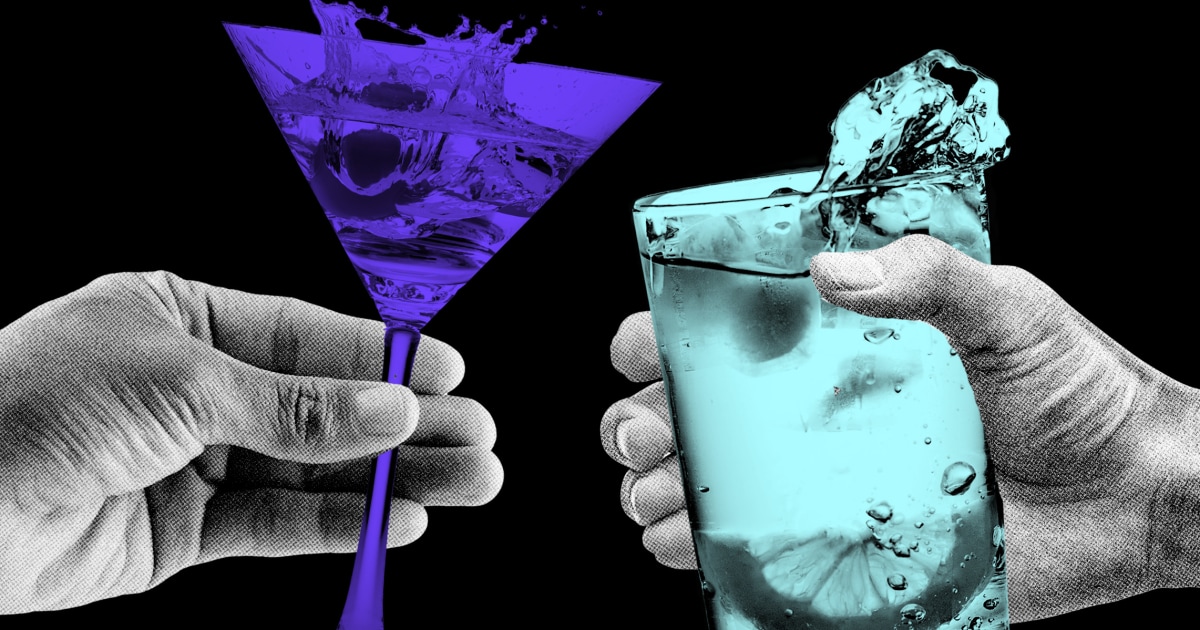
Recent updates to dietary guidelines in the United States have reignited the debate surrounding alcohol consumption and its impact on public health and social interaction. The latest directive from the Trump administration advises Americans to “consume less alcohol for better overall health,” moving away from specific limits previously recommended. While some experts advocate for moderation in alcohol consumption, others emphasize the need to address its role in social connectivity.
During a White House briefing on January 7, Dr. Mehmet Oz, administrator for the Centers for Medicare and Medicaid Services, defended the social benefits of alcohol. He characterized it as a “social lubricant” that fosters connections among people, stating, “In the best-case scenario, I don’t think you should drink alcohol, but it does allow people an excuse to bond and socialize.” His comments reflect a growing concern about loneliness among younger adults, who are increasingly choosing solitary activities over social outings.
The response to Oz’s remarks has been mixed. Many in the sober community, particularly among younger influencers, view his statements as regressive. Rachel Hechtman, a New York City content creator and sober life coach, expressed concern that such guidance could influence individuals who are ambivalent about their drinking habits. “People are just concerned that this is going to impact people who are on the fence, whether they should stop drinking or not,” she stated.
Health experts are cautioning against oversimplifying the relationship between alcohol and social happiness. Priscilla Martinez, deputy scientific director at the Alcohol Research Group, noted that there is insufficient evidence to support the notion that alcohol consumption enhances social interactions or overall happiness. Her organization previously drafted a report that indicated increased alcohol consumption correlates with a higher risk of alcohol-related diseases, yet the administration did not publish this document.
The previous dietary guidelines recommended limiting alcohol intake to one drink per day for women and two for men. However, the newly released guidelines have raised concerns about the message being sent to the public. Andrew Nixon, spokesperson for the Department of Health and Human Services, maintained that the updated guidelines were based on “rigorous scientific review and independent oversight,” without addressing the concerns raised regarding the previous report.
Research surrounding alcohol consumption continues to yield mixed results. The World Health Organization has indicated that there is no safe level of alcohol intake, linking even light drinking to potential health issues, including cancer. A federal report published in January 2025 concluded that even a single daily drink could elevate the risk of severe health conditions, including liver cirrhosis and certain cancers. Conversely, a report from December 2024 suggested that moderate drinking might be associated with lower mortality rates, complicating the public health narrative.
As the alcohol industry faces declining consumption rates, advertising strategies have increasingly positioned alcohol as essential for social bonding. Companies like Dos Equis and Heineken have launched campaigns emphasizing alcohol’s role in creating memorable experiences. Heineken’s CEO, Dolf van den Brink, noted the importance of recognizing alcohol as a “social lubricant,” particularly amid rising feelings of isolation and mental health concerns.
Public health researchers and consumer trend analysts attribute the decline in alcohol consumption to various factors, including economic conditions and the influence of social media movements like #sobertok, which promote sobriety. A recent Gallup survey indicated that only 54% of U.S. adults reported consuming alcohol in July 2023, down from 62% in 2022. Among young adults, 66% stated that having one or two drinks per day is detrimental to their health.
In light of these trends, some nutrition experts argue that the new guidelines reflect the interests of alcohol industry lobbyists rather than public health priorities. Nixon dismissed these claims, asserting the guidelines were grounded in scientific principles.
In response to the updated guidelines, sober influencers have actively engaged their audiences, sharing experiences of enjoyment and fulfillment without alcohol. Hechtman shared her personal journey after quitting drinking in 2021, stating, “I stopped drinking, and I realized, ‘Wait, I’m having more fun than I ever had before.’”
New social spaces catering to sobriety, such as The Maze in New York City, are emerging to accommodate individuals seeking connection without alcohol. Founder Justin Gurland, a licensed social worker with 17 years of sobriety, aims to create environments where people can foster genuine connections. “Without alcohol as a buffer or crutch, people tend to be more present and more intentional,” he said.
“If you ask me how to promote public health in the United States, getting people to drink more would probably not be at the top of my list,”
remarked Eric Klinenberg, a sociology professor at New York University. He advocates for a broader range of gathering spaces that do not involve alcohol, emphasizing the importance of community-oriented environments.
As the discussion surrounding alcohol’s role in society continues, Dr. Oz reiterated his stance on social drinking after the dietary guidelines were released. In a post on X, he clarified his comments regarding alcohol consumption during brunch, reinforcing the idea that social engagement can still coexist with moderation.
The dialogue on alcohol consumption remains complex, balancing social benefits against significant health risks. As societal norms evolve, the implications for public health and personal choices are likely to remain at the forefront of the conversation.











Revolutionary Photonic Ski-Jump Could Miniaturize LiDAR Systems

Couples Detox from Plastics in New Netflix Doc: Can It Boost Fertility?

Aventon Launches Affordable Full-Suspension Electric Mountain Bike

Discover Eight Must-Try Restaurants This Spring Season

UC Irvine Team Unveils Innovative Ion Pump for Water Treatment

One-Third of Americans Trim Daily Expenses for Healthcare Needs

Apple Secures First Oscar in Three Years with F1: The Movie

Fourth Graders Celebrate St. Patrick’s Day with Creative Weather Drawings

Kim Kardashian Dazzles at Vanity Fair Oscars Party 2026

Nostradamus’ 2026 Predictions: Star Death and Dark Events Loom

Breakthroughs and Challenges Await Science in 2026

Electric Moto Influencer Surronster Arrested in Tijuana

OpenAI to Implement Age Verification for ChatGPT by December 2025

Discover the Top 10 Calorie Counting Apps of 2025

Recovering a Suspended TikTok Account: A Step-by-Step Guide

Bella Hadid Shares Health Update After Treatment for Lyme Disease

Backpack Drives Equip Students with Supplies for New School Year

Analysts Project Stronger Growth for Apple’s iPhone 17 Lineup
-
 Science7 months ago
Nostradamus’ 2026 Predictions: Star Death and Dark Events Loom
-
 Science7 months ago
Breakthroughs and Challenges Await Science in 2026
-
 Technology11 months ago
Electric Moto Influencer Surronster Arrested in Tijuana
-
 Technology8 months ago
OpenAI to Implement Age Verification for ChatGPT by December 2025
-
 Technology1 year ago
Discover the Top 10 Calorie Counting Apps of 2025
-
 Technology1 year ago
Recovering a Suspended TikTok Account: A Step-by-Step Guide
-
 Health11 months ago
Bella Hadid Shares Health Update After Treatment for Lyme Disease
-
 Education1 year ago
Backpack Drives Equip Students with Supplies for New School Year
-
 Health11 months ago
Analysts Project Stronger Growth for Apple’s iPhone 17 Lineup
-

 Technology7 months ago
Top 10 Penny Stocks to Watch in 2026 for Strong Returns
-

 Health11 months ago
Japanese Study Finds Rose Oil Can Increase Brain Gray Matter
-

 Science10 months ago
Starship V3 Set for 2026 Launch After Successful Final Test of Version 2