
Science
Trump Promotes Controversial AI Video Promising ‘Magic Medbeds’

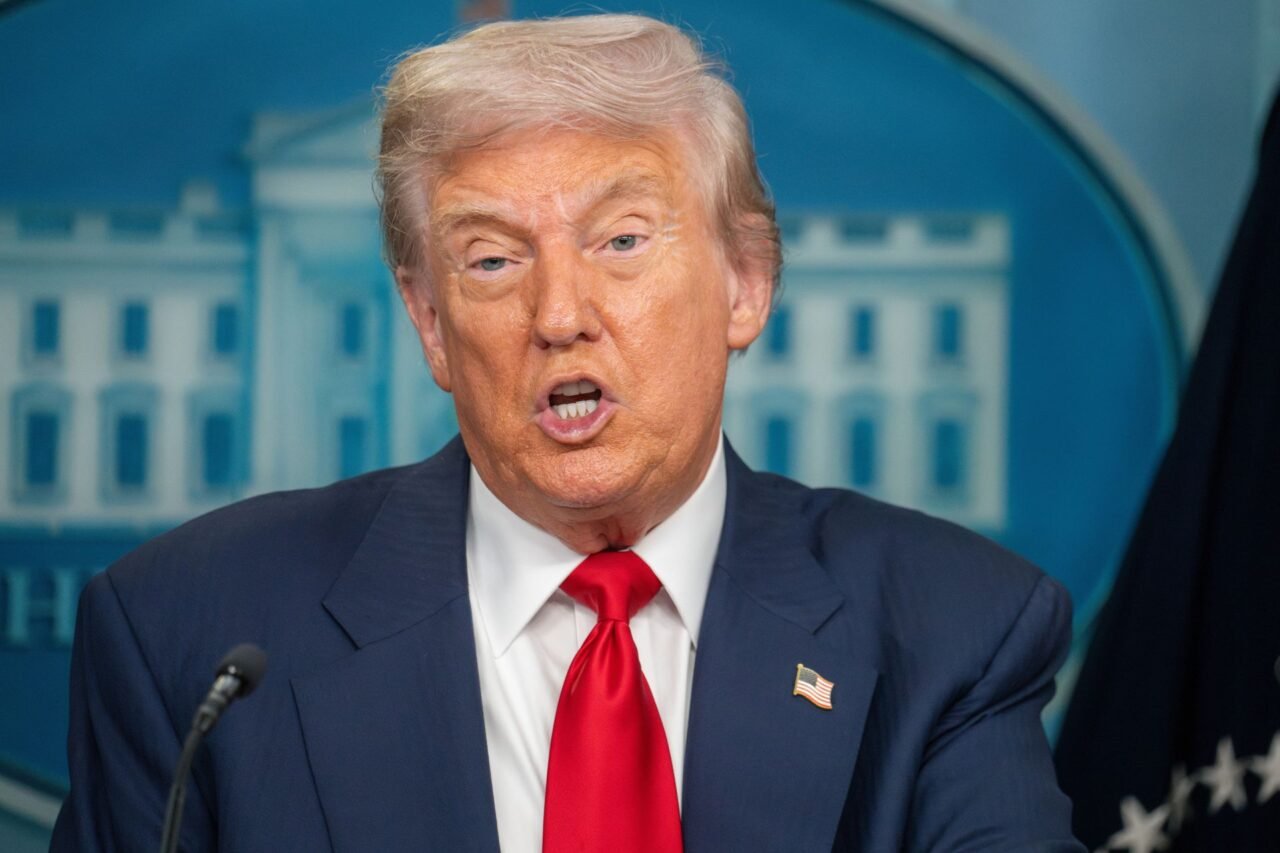
Former President Donald Trump recently shared an AI-generated video on his social media platform, Truth Social, which has drawn significant attention and controversy. In the video, Trump announced the existence of “medbeds,” a speculative technology said to possess the ability to heal all injuries. Although the post was deleted shortly after its release on March 10, 2023, copies of the video remain available online.
The video presented a fictional segment that featured a digital version of Trump claiming that every American would soon receive a “medbed card.” This card would purportedly grant access to newly established hospitals equipped with this transformative technology. The announcement aligns closely with the beliefs of some QAnon followers, who assert that such medical advancements are being concealed by the wealthy elite.
These fictional “medbeds” are part of a broader conspiracy theory that has been circulating for several years. Advocates claim that these devices can cure all ailments, suggesting that they have either been suppressed by powerful individuals or are only available to select members of society. In the video, the AI-generated Trump stated, “These facilities are safe, modern, and designed to restore every citizen to full health.”
The concept of medbeds has gained traction among certain alternative medicine proponents, but it remains unverified. Businesses have emerged claiming to sell medbeds; however, these often appear to be overpriced wellness products rather than legitimate medical devices. One company, Tesla BioHealing, faced scrutiny from the Food and Drug Administration in 2023 for misleading marketing practices regarding its products. Their “quantum healing” generator is currently priced at $11,000.
Accompanying this promotion of medbeds, Trump has also recently engaged with various controversial topics on his Truth Social account. He has shown support for anti-vaccination policies and shared content related to the “great replacement theory,” a conspiracy theory propagated by certain far-right groups. These posts have remained visible, suggesting a continued embrace of conspiratorial narratives.
Trump’s history of promoting conspiracy theories is well documented. He previously popularized the unfounded claim that former President Barack Obama was born outside the United States. While the motivations behind Trump’s recent post about medbeds remain unclear, it raises questions about the impact of such claims on his followers and the broader public discourse.
As the conversation around health technologies continues to evolve, the promotion of unverified medical advancements poses potential risks. The dissemination of information regarding speculative treatments can lead to misinformation and exploitation of vulnerable individuals seeking solutions for their health issues.
The implications of Trump’s claims extend beyond entertainment, as they reflect ongoing tensions within public health discussions and the influence of social media in shaping perceptions of medical technology.












Revolutionary Photonic Ski-Jump Could Miniaturize LiDAR Systems

Couples Detox from Plastics in New Netflix Doc: Can It Boost Fertility?

Aventon Launches Affordable Full-Suspension Electric Mountain Bike

Discover Eight Must-Try Restaurants This Spring Season

UC Irvine Team Unveils Innovative Ion Pump for Water Treatment

One-Third of Americans Trim Daily Expenses for Healthcare Needs

Apple Secures First Oscar in Three Years with F1: The Movie

Fourth Graders Celebrate St. Patrick’s Day with Creative Weather Drawings

Kim Kardashian Dazzles at Vanity Fair Oscars Party 2026

Nostradamus’ 2026 Predictions: Star Death and Dark Events Loom

Breakthroughs and Challenges Await Science in 2026

Electric Moto Influencer Surronster Arrested in Tijuana

OpenAI to Implement Age Verification for ChatGPT by December 2025

Discover the Top 10 Calorie Counting Apps of 2025

Recovering a Suspended TikTok Account: A Step-by-Step Guide

Bella Hadid Shares Health Update After Treatment for Lyme Disease

Backpack Drives Equip Students with Supplies for New School Year

Analysts Project Stronger Growth for Apple’s iPhone 17 Lineup
-
 Science8 months ago
Nostradamus’ 2026 Predictions: Star Death and Dark Events Loom
-
 Science8 months ago
Breakthroughs and Challenges Await Science in 2026
-
 Technology11 months ago
Electric Moto Influencer Surronster Arrested in Tijuana
-
 Technology9 months ago
OpenAI to Implement Age Verification for ChatGPT by December 2025
-
 Technology1 year ago
Discover the Top 10 Calorie Counting Apps of 2025
-
 Technology1 year ago
Recovering a Suspended TikTok Account: A Step-by-Step Guide
-
 Health11 months ago
Bella Hadid Shares Health Update After Treatment for Lyme Disease
-
 Education1 year ago
Backpack Drives Equip Students with Supplies for New School Year
-
 Health11 months ago
Analysts Project Stronger Growth for Apple’s iPhone 17 Lineup
-

 Health12 months ago
Japanese Study Finds Rose Oil Can Increase Brain Gray Matter
-

 Technology8 months ago
Top 10 Penny Stocks to Watch in 2026 for Strong Returns
-

 Science10 months ago
Starship V3 Set for 2026 Launch After Successful Final Test of Version 2