
Science
Quantum 2.0: Paul Davies Explores Physics’ Next Frontier

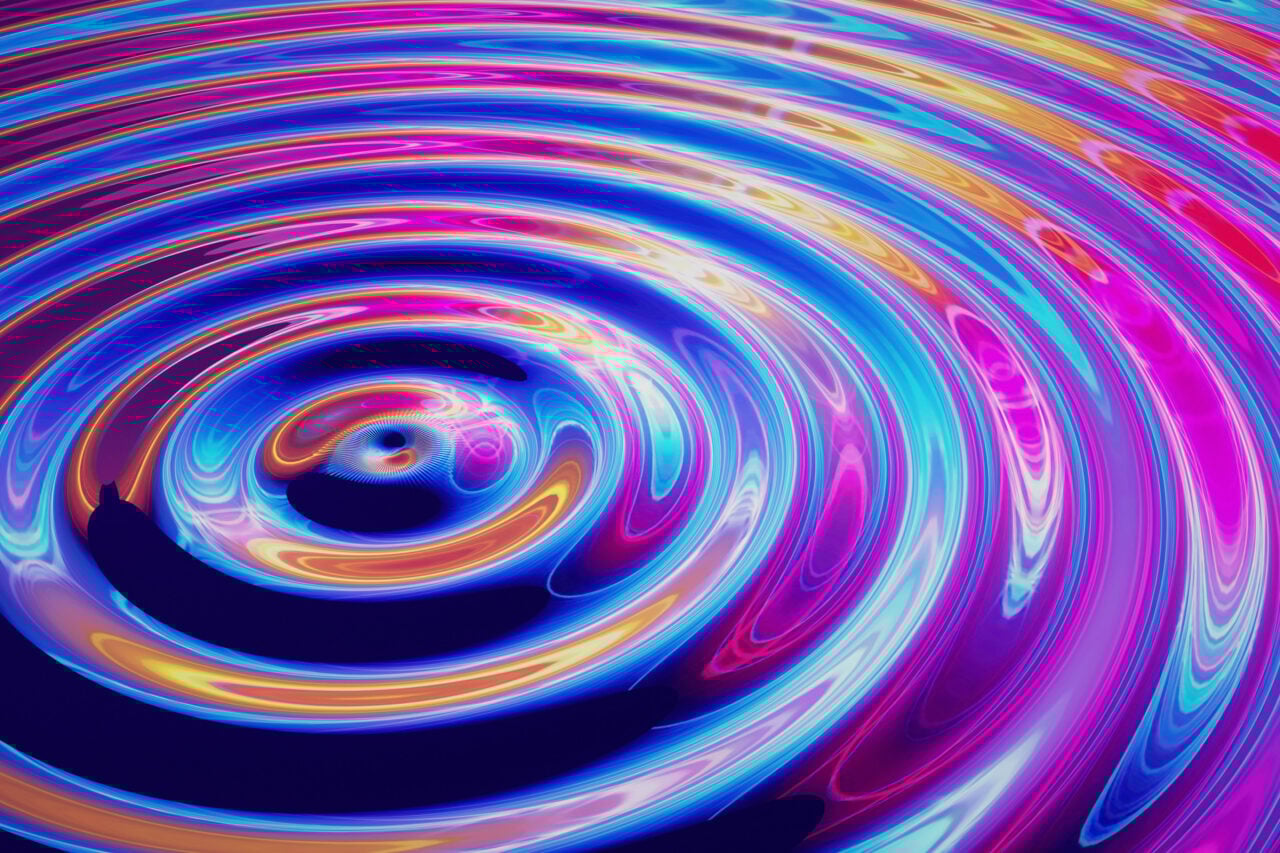
The world of physics is on the brink of a significant transformation, as highlighted in Paul Davies’s new book, Quantum 2.0: The Weird Physics Driving a New Revolution in Technology. Released in the UK on November 29, 2025, and set for global availability in February 2026 through The University of Chicago Press, the book delves into how quantum mechanics has profoundly shaped technology and continues to promise revolutionary advancements.
Davies, a theoretical physicist and director of the Beyond Center for Fundamental Concepts in Science at Arizona State University, emphasizes that this new phase of quantum science, referred to as Quantum 2.0, marks a departure from earlier developments in quantum mechanics. He outlines how the manipulation of individual particles, such as electrons and photons, enables information to be encoded directly within these particles, rather than relying on larger devices like transistors.
With the advent of numerous products and technologies labeled as “quantum,” Davies distinguishes between genuine advancements and commercial hype. He explains that true quantum applications leverage the subatomic realm, utilizing principles like entanglement and superposition. While many claims of “quantum” technologies may appear to be marketing strategies, Davies insists that the essence of Quantum 2.0 lies in its innovative manipulation of quantum phenomena.
As he explores the complexities of quantum mechanics, Davies acknowledges the paradoxes and peculiarities inherent in the field. The distinction between the quantum world and observable reality creates challenges for scientists trying to bridge these two realms. He articulates that, even after a century of study, physicists continue to grapple with fundamental questions surrounding the nature of particles and their properties before measurement.
Davies’s book includes several compelling examples of quantum science’s impact on various fields. One notable area he discusses is quantum biology, referencing the pioneering work of Erwin Schrödinger. In his 1943 lectures titled “What Is Life?”, Schrödinger pondered whether quantum mechanics could explain the unique characteristics of living matter. While Davies approaches this idea with a degree of skepticism, he acknowledges the intriguing possibilities, such as the roles of superposition and entanglement in biological processes.
The conversation extends to artificial intelligence (AI), where Davies highlights the connection between quantum mechanics and this rapidly evolving technology. He argues that contemporary AI systems rely on numerous quantum principles and devices. Moreover, he suggests the potential for a future where quantum artificial intelligence evolves, enabling a form of consciousness that perceives multiple realities simultaneously.
Looking ahead, Davies contemplates the future of quantum science, speculating on the emergence of Quantum 3.0. He describes a vision where advanced technologies could allow human brains to interface with quantum computers, potentially unlocking new realms of understanding. While this prospect is both thrilling and daunting, he notes that significant advancements are still required before such a reality can be realized.
Davies reflects on the philosophical implications of quantum mechanics, particularly regarding our understanding of existence and observation. The revolutionary notion that the act of observation itself shapes reality challenges long-held beliefs about the nature of the universe. As he concludes, these unresolved issues present an exciting frontier for the next generation of physicists, emphasizing the need for continued exploration in the field.
As we embark on this new quantum era, Quantum 2.0 serves as a timely reminder of the profound advancements in technology and our understanding of the universe that quantum mechanics continues to inspire. With the International Year of Quantum Science and Technology declared by UNESCO for 2025, the stage is set for further discoveries that could redefine our technological landscape and philosophical perspectives in the years to come.







Revolutionary Photonic Ski-Jump Could Miniaturize LiDAR Systems

Couples Detox from Plastics in New Netflix Doc: Can It Boost Fertility?

Aventon Launches Affordable Full-Suspension Electric Mountain Bike

Discover Eight Must-Try Restaurants This Spring Season

UC Irvine Team Unveils Innovative Ion Pump for Water Treatment

One-Third of Americans Trim Daily Expenses for Healthcare Needs

Apple Secures First Oscar in Three Years with F1: The Movie

Fourth Graders Celebrate St. Patrick’s Day with Creative Weather Drawings

Kim Kardashian Dazzles at Vanity Fair Oscars Party 2026

Nostradamus’ 2026 Predictions: Star Death and Dark Events Loom

Breakthroughs and Challenges Await Science in 2026

Electric Moto Influencer Surronster Arrested in Tijuana

OpenAI to Implement Age Verification for ChatGPT by December 2025

Discover the Top 10 Calorie Counting Apps of 2025

Bella Hadid Shares Health Update After Treatment for Lyme Disease

Analysts Project Stronger Growth for Apple’s iPhone 17 Lineup

Japanese Study Finds Rose Oil Can Increase Brain Gray Matter

Top 10 Penny Stocks to Watch in 2026 for Strong Returns
-
 Science4 months ago
Nostradamus’ 2026 Predictions: Star Death and Dark Events Loom
-
 Science4 months ago
Breakthroughs and Challenges Await Science in 2026
-
 Technology7 months ago
Electric Moto Influencer Surronster Arrested in Tijuana
-
 Technology4 months ago
OpenAI to Implement Age Verification for ChatGPT by December 2025
-
 Technology9 months ago
Discover the Top 10 Calorie Counting Apps of 2025
-
 Health7 months ago
Bella Hadid Shares Health Update After Treatment for Lyme Disease
-
 Health7 months ago
Analysts Project Stronger Growth for Apple’s iPhone 17 Lineup
-
 Health7 months ago
Japanese Study Finds Rose Oil Can Increase Brain Gray Matter
-
 Technology4 months ago
Top 10 Penny Stocks to Watch in 2026 for Strong Returns
-

 Science6 months ago
Starship V3 Set for 2026 Launch After Successful Final Test of Version 2
-
 Technology1 month ago
Nvidia GTC 2026: Major Announcements Expected for AI and Hardware
-

 Education7 months ago
Harvard Secures Court Victory Over Federal Funding Cuts