
Science
Genetic Breakthrough Could Triple Wheat Grain Yields

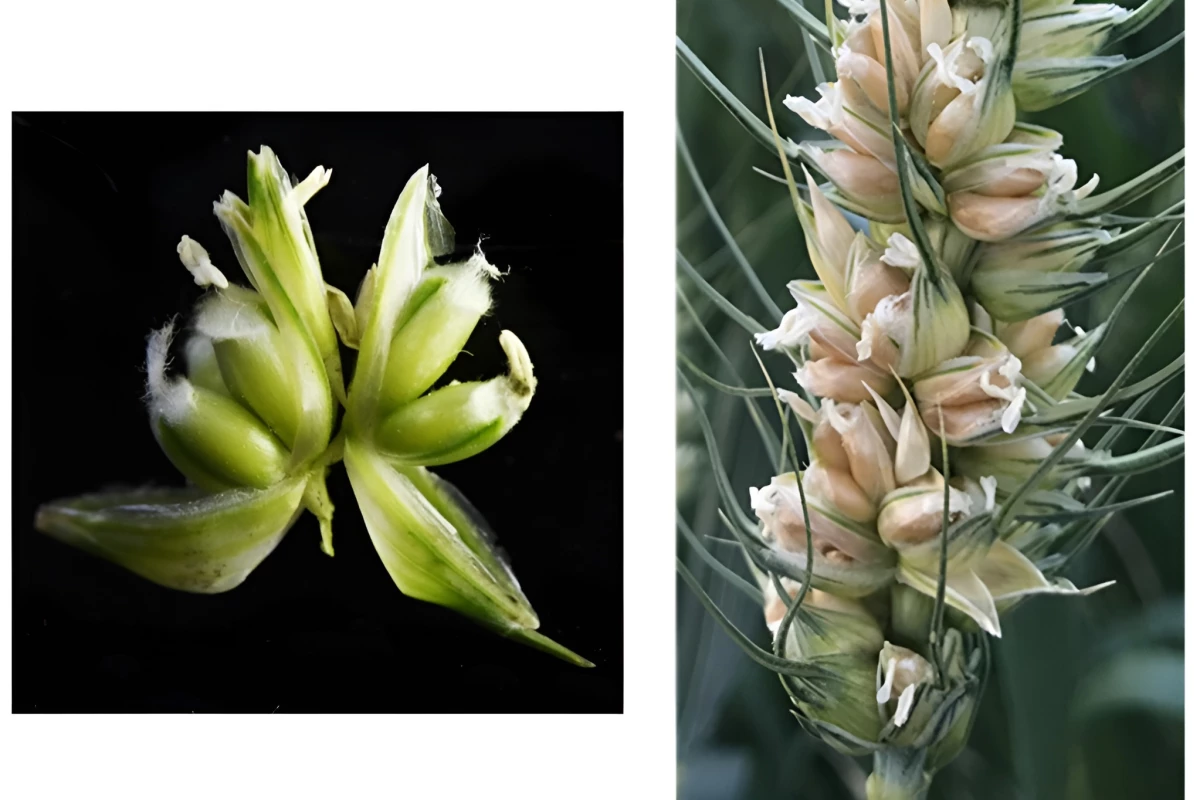
Scientists have made a significant genetic discovery that could potentially triple grain yields from wheat plants without requiring additional land, water, or fertilizer. Researchers from the University of Maryland have identified a genetic mechanism in mutant wheat known as MOV (multi-ovary) wheat, which can produce up to three grains per floret instead of the typical single grain.
In ordinary wheat plants, each floret in the seed head typically develops a single ovary, leading to one grain. However, MOV wheat can have multiple ovaries per floret, significantly increasing the grain yield. Until recently, the genetic basis of this trait remained unclear. The breakthrough came when the scientists thoroughly mapped the DNA of MOV wheat and compared it to that of conventional bread wheat.
Through this detailed analysis, they discovered that a normally dormant gene called WUSCHEL-D1 (WUS-D1) is activated in MOV wheat. This gene plays a crucial role in enhancing the development of female flower parts, such as pistils and ovaries, which directly influences the number of grains produced.
Potential Impact on Wheat Production
The implications of this discovery are substantial. If the WUS-D1 gene can be activated in cultivated wheat varieties, it could lead to a dramatic increase in grain production. Assoc. Prof. Vijay Tiwari, a co-author of the study, emphasized the significance of the findings, stating, “Pinpointing the genetic basis of this trait offers a path for breeders to incorporate it into new wheat varieties, potentially increasing the number of grains per spike and overall yield.”
The research is detailed in a paper published in the Proceedings of the National Academy of Sciences on October 10, 2023. By utilizing advanced gene editing techniques, the researchers aim to further enhance this trait, ultimately contributing to more sustainable agricultural practices.
Future Prospects for Agriculture
With global food demand on the rise, innovations like this could play a vital role in ensuring food security. By increasing the efficiency of wheat production, farmers could meet the growing needs of populations without expanding agricultural land. This breakthrough exemplifies how genetic research can bridge the gap between environmental sustainability and agricultural productivity.
As the scientific community continues to explore the potential of genetic modifications in crops, the findings from the University of Maryland highlight a promising avenue for increasing yields and improving food resources for future generations.









Revolutionary Photonic Ski-Jump Could Miniaturize LiDAR Systems

Couples Detox from Plastics in New Netflix Doc: Can It Boost Fertility?

Aventon Launches Affordable Full-Suspension Electric Mountain Bike

Discover Eight Must-Try Restaurants This Spring Season

UC Irvine Team Unveils Innovative Ion Pump for Water Treatment

One-Third of Americans Trim Daily Expenses for Healthcare Needs

Apple Secures First Oscar in Three Years with F1: The Movie

Fourth Graders Celebrate St. Patrick’s Day with Creative Weather Drawings

Kim Kardashian Dazzles at Vanity Fair Oscars Party 2026

Nostradamus’ 2026 Predictions: Star Death and Dark Events Loom

Breakthroughs and Challenges Await Science in 2026

Electric Moto Influencer Surronster Arrested in Tijuana

OpenAI to Implement Age Verification for ChatGPT by December 2025

Discover the Top 10 Calorie Counting Apps of 2025

Recovering a Suspended TikTok Account: A Step-by-Step Guide

Bella Hadid Shares Health Update After Treatment for Lyme Disease

Backpack Drives Equip Students with Supplies for New School Year

Analysts Project Stronger Growth for Apple’s iPhone 17 Lineup
-
 Science8 months ago
Nostradamus’ 2026 Predictions: Star Death and Dark Events Loom
-
 Science8 months ago
Breakthroughs and Challenges Await Science in 2026
-
 Technology11 months ago
Electric Moto Influencer Surronster Arrested in Tijuana
-
 Technology9 months ago
OpenAI to Implement Age Verification for ChatGPT by December 2025
-
 Technology1 year ago
Discover the Top 10 Calorie Counting Apps of 2025
-
 Technology1 year ago
Recovering a Suspended TikTok Account: A Step-by-Step Guide
-
 Health11 months ago
Bella Hadid Shares Health Update After Treatment for Lyme Disease
-
 Education1 year ago
Backpack Drives Equip Students with Supplies for New School Year
-
 Health12 months ago
Analysts Project Stronger Growth for Apple’s iPhone 17 Lineup
-

 Health12 months ago
Japanese Study Finds Rose Oil Can Increase Brain Gray Matter
-

 Technology8 months ago
Top 10 Penny Stocks to Watch in 2026 for Strong Returns
-

 Science10 months ago
Starship V3 Set for 2026 Launch After Successful Final Test of Version 2