
Science
Federal Review of Research Grants Sparks Hope and Skepticism

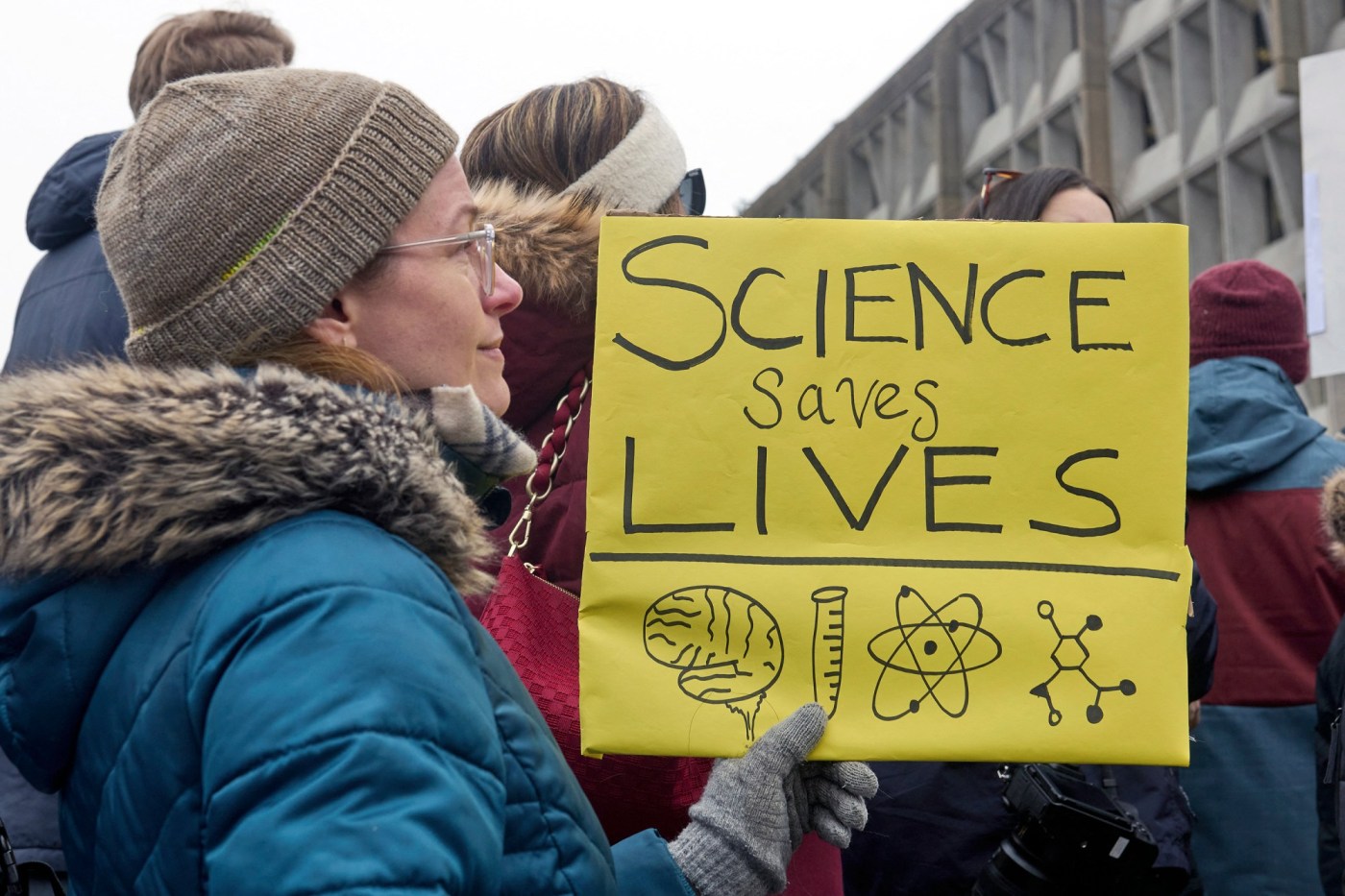
The Biden administration has announced a renewed effort to review thousands of science and medical research grant applications that were previously stalled, largely due to their focus on diversity, equity, and inclusion. This development, reported on March 15, 2024, has generated a cautious sense of optimism among researchers and institutions, particularly at the University of Washington, which received $572 million from the National Institutes of Health (NIH) in 2024.
Resuming Stalled Applications
The review affects numerous applications held up by the NIH and the National Science Foundation (NSF), which could lead to significant advancements in areas such as HIV prevention and Alzheimer’s disease. Washington’s Attorney General, Nick Brown, has joined 16 other state attorneys general in a lawsuit against the federal government, highlighting the adverse effects of the previous administration’s decisions on research funding.
In the wake of the administration’s recent agreement, NIH has already acted on hundreds of applications, approving 499 as part of an ongoing effort to clear the backlog. Despite this progress, skepticism remains rooted in historical actions taken by the previous administration.
Historical Context and Ongoing Concerns
During his first term, former President Donald Trump attempted to cut $6.1 billion from NIH research funding, which included crucial allocations for cancer research. Bipartisan efforts in Congress successfully thwarted these attempts, preserving vital funding for medical advancements.
Throughout 2025, Trump sought to exert greater control over higher education institutions, introducing a pause on federal grant applications in January and subsequently cutting research funding, notably for cancer treatments. These moves prompted a series of lawsuits from affected universities, including Cornell University, Columbia University, Brown University, and his alma mater, the University of Pennsylvania, which faced funding threats in exchange for compliance with administration policies on civil rights and diversity in hiring and athletics.
The latest agreement with state attorneys general does not compel the NIH to allocate funds to the stalled applications; it merely requires consideration of them. While the movement towards reviewing these applications is encouraging, it took nearly a year of advocacy and legal action to reach this point.
As the nation looks to regain its footing in the realm of scientific research and technological innovation, the journey ahead remains fraught with challenges. The emphasis on diversity, equity, and inclusion should not be a barrier to advancement but rather a pathway to broader perspectives in research that can benefit all communities.








Revolutionary Photonic Ski-Jump Could Miniaturize LiDAR Systems

Couples Detox from Plastics in New Netflix Doc: Can It Boost Fertility?

Aventon Launches Affordable Full-Suspension Electric Mountain Bike

Discover Eight Must-Try Restaurants This Spring Season

UC Irvine Team Unveils Innovative Ion Pump for Water Treatment

One-Third of Americans Trim Daily Expenses for Healthcare Needs

Apple Secures First Oscar in Three Years with F1: The Movie

Fourth Graders Celebrate St. Patrick’s Day with Creative Weather Drawings

Kim Kardashian Dazzles at Vanity Fair Oscars Party 2026

Nostradamus’ 2026 Predictions: Star Death and Dark Events Loom

Breakthroughs and Challenges Await Science in 2026

Electric Moto Influencer Surronster Arrested in Tijuana

OpenAI to Implement Age Verification for ChatGPT by December 2025

Discover the Top 10 Calorie Counting Apps of 2025

Recovering a Suspended TikTok Account: A Step-by-Step Guide

Bella Hadid Shares Health Update After Treatment for Lyme Disease

Backpack Drives Equip Students with Supplies for New School Year

Analysts Project Stronger Growth for Apple’s iPhone 17 Lineup
-
 Science7 months ago
Nostradamus’ 2026 Predictions: Star Death and Dark Events Loom
-
 Science7 months ago
Breakthroughs and Challenges Await Science in 2026
-
 Technology10 months ago
Electric Moto Influencer Surronster Arrested in Tijuana
-
 Technology8 months ago
OpenAI to Implement Age Verification for ChatGPT by December 2025
-
 Technology1 year ago
Discover the Top 10 Calorie Counting Apps of 2025
-
 Technology1 year ago
Recovering a Suspended TikTok Account: A Step-by-Step Guide
-
 Health10 months ago
Bella Hadid Shares Health Update After Treatment for Lyme Disease
-
 Education1 year ago
Backpack Drives Equip Students with Supplies for New School Year
-
 Health11 months ago
Analysts Project Stronger Growth for Apple’s iPhone 17 Lineup
-

 Technology7 months ago
Top 10 Penny Stocks to Watch in 2026 for Strong Returns
-

 Health11 months ago
Japanese Study Finds Rose Oil Can Increase Brain Gray Matter
-

 Science9 months ago
Starship V3 Set for 2026 Launch After Successful Final Test of Version 2