
Science
Study Unveils Secrets of ‘Nam Hom’ Coconut Cider Fermentation

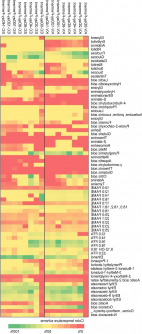
Research from Kasetsart University has shed light on the fermentation process of ‘Nam Hom’ coconut cider, revealing how yeast selection influences aroma, flavor, and bioactive compounds. Published on March 17, 2025, in the journal Beverage Plant Research, the study offers a detailed roadmap for enhancing coconut cider production, a beverage made from the naturally sweet and aromatic water of the coconut, known scientifically as Cocos nucifera L..
The study addresses the challenge posed by the short shelf life of coconut water, which limits its commercial viability. By fermenting coconut water into cider, producers can not only extend its shelf life but also create a low-alcohol beverage that boasts appealing sensory qualities. The fermentation process is critical, with yeast playing a pivotal role in driving sugar metabolism and aroma formation, similar to the processes observed in wine and apple cider.
The research team, led by Kriskamol Na Jom, employed a combination of physicochemical monitoring and untargeted metabolomics-flavoromics strategies. They inoculated ‘Nam Hom’ coconut cider with two different commercial yeast strains, K1-V1116 and EC-1118. Through multivariate statistics, they mapped the fermentation dynamics and aroma development throughout the process.
The findings revealed that fermentation could be divided into three distinct stages: pre-fermentation, in-process, and final product. Principal component analysis accounted for 83.76% of the total variance observed. The researchers identified 152 metabolite peaks, of which 64 were confirmed, and detected 16 volatile flavor compounds.
Both yeast strains exhibited similar fermentation kinetics. Measurements showed that Brix and reducing sugars decreased steadily, while the pH lowered slightly, indicating increased acidity. Alcohol content rose significantly, reaching approximately 7-8%, which falls within the typical range for ciders, with no signs of lactic acid bacterial contamination.
The analysis further detailed how sugar levels were high in the initial samples, whereas mid-fermentation samples reflected yeast activity through primary amino compounds. Final products were characterized by fruity volatiles, particularly ethyl esters such as ethyl octanoate and ethyl 9-decanoate.
Metabolomics studies highlighted a progressive depletion of sugars into ethanol and other metabolites, alongside increased glycerol production, a common byproduct of yeast activity. The stable presence of citric and lactic acids, along with a slight increase in malic acid, indicated clean fermentation. The accumulation of amino acids, particularly leucine and isoleucine, aligned with metabolic pathways derived from pyruvate and acetyl-CoA.
The lipid analysis showed a decline in fatty acid methyl esters but an increase in free fatty acids, notably lauric and stearic acids, especially in fermentations with K1-V1116. Flavoromics confirmed that esters were the primary aroma contributors, with the EC-1118 strain producing a more pronounced fruity character owing to a higher abundance of ethyl esters.
The research also established strong positive correlations between sugars, ethanol, and esters, as well as between amino acids and free fatty acids, underscoring interconnected metabolic pathways that can be manipulated to refine coconut cider’s aroma and bioactive properties.
This study not only enhances understanding of coconut cider fermentation but also provides practical insights for producers. Both yeast strains are suitable for fermentation, yet they offer different strengths: K1-V1116 enhances aroma and ester production, whereas EC-1118 supports robust, clean fermentation with more pronounced fruity notes. By selecting appropriate yeast strains and managing fermentation durations, producers can tailor flavor profiles from dry and clean to fruity and aromatic while preserving beneficial bioactive compounds.

Revolutionary Photonic Ski-Jump Could Miniaturize LiDAR Systems

Couples Detox from Plastics in New Netflix Doc: Can It Boost Fertility?

Aventon Launches Affordable Full-Suspension Electric Mountain Bike

Discover Eight Must-Try Restaurants This Spring Season

UC Irvine Team Unveils Innovative Ion Pump for Water Treatment

One-Third of Americans Trim Daily Expenses for Healthcare Needs

Apple Secures First Oscar in Three Years with F1: The Movie

Fourth Graders Celebrate St. Patrick’s Day with Creative Weather Drawings

Kim Kardashian Dazzles at Vanity Fair Oscars Party 2026

Nostradamus’ 2026 Predictions: Star Death and Dark Events Loom

Breakthroughs and Challenges Await Science in 2026

Electric Moto Influencer Surronster Arrested in Tijuana

OpenAI to Implement Age Verification for ChatGPT by December 2025

Discover the Top 10 Calorie Counting Apps of 2025

Recovering a Suspended TikTok Account: A Step-by-Step Guide

Bella Hadid Shares Health Update After Treatment for Lyme Disease

Backpack Drives Equip Students with Supplies for New School Year

Analysts Project Stronger Growth for Apple’s iPhone 17 Lineup
-
 Science8 months ago
Nostradamus’ 2026 Predictions: Star Death and Dark Events Loom
-
 Science8 months ago
Breakthroughs and Challenges Await Science in 2026
-
 Technology11 months ago
Electric Moto Influencer Surronster Arrested in Tijuana
-
 Technology9 months ago
OpenAI to Implement Age Verification for ChatGPT by December 2025
-
 Technology1 year ago
Discover the Top 10 Calorie Counting Apps of 2025
-
 Technology1 year ago
Recovering a Suspended TikTok Account: A Step-by-Step Guide
-
 Health11 months ago
Bella Hadid Shares Health Update After Treatment for Lyme Disease
-
 Education1 year ago
Backpack Drives Equip Students with Supplies for New School Year
-
 Health12 months ago
Analysts Project Stronger Growth for Apple’s iPhone 17 Lineup
-

 Health12 months ago
Japanese Study Finds Rose Oil Can Increase Brain Gray Matter
-

 Technology8 months ago
Top 10 Penny Stocks to Watch in 2026 for Strong Returns
-

 Science10 months ago
Starship V3 Set for 2026 Launch After Successful Final Test of Version 2