
Science
AI Workers Raise Alarms Over Risks and Misinformation

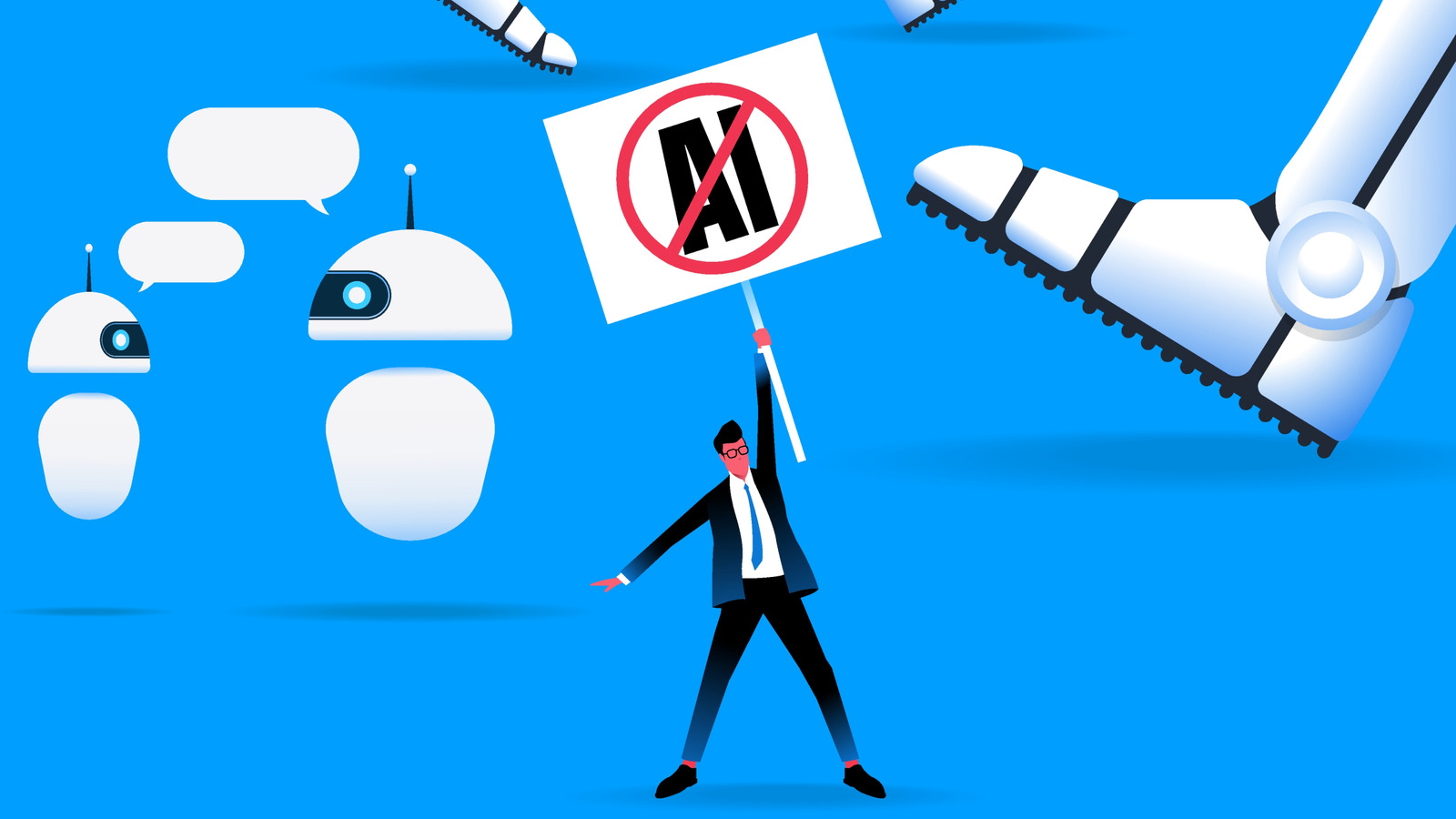
Concerns surrounding artificial intelligence (AI) are intensifying as workers directly involved in its development voice their apprehensions. A recent article by The Guardian highlights testimonies from AI trainers who warn of potential dangers associated with AI technologies. These workers, often engaged in the labor-intensive process of training AI systems, describe experiences that raise critical questions about bias, misinformation, and the ethical implications of deploying AI in sensitive areas such as healthcare.
The interviewees shared alarming insights regarding the pressures they faced, such as unrealistic deadlines and vague instructions. Many expressed their reluctance to trust AI, advocating that others should exercise caution. Some have even banned their children from using AI tools. This perspective is crucial, as it comes from individuals who have firsthand experience with the intricate and often opaque processes behind AI development.
The article also references a report by the campaign group Pause AI, which includes a “Probability of Doom” list. This list quantifies the likelihood of severe adverse outcomes from AI, based on evaluations from various experts. Notably, even influential figures in the AI industry, such as Sam Altman, CEO of OpenAI, have urged a measured approach to trusting AI systems. During a podcast in June 2025, Altman remarked, “People have a very high degree of trust in ChatGPT, which is interesting because AI hallucinates. It should be the tech that you don’t trust that much.”
The experiences shared by AI workers are echoed by freelancers who have participated in similar tasks. These individuals often engage with AI systems by assessing responses and creating prompts to test various capabilities. They describe a challenging environment where the demand for quick results often overshadows the quality of work produced. One AI worker articulated the sentiment: “We’re expected to help make the model better, yet we’re often given vague or incomplete instructions, minimal training, and unrealistic time limits to complete tasks.”
While the concerns raised are valid, it’s important to recognize that human raters are only one component in the broader AI training process. The development of a GPT large language model typically proceeds in two main stages: language modeling and fine-tuning. In the initial stage, the AI absorbs vast amounts of text data to learn language patterns. The subsequent fine-tuning stage involves human testers who evaluate and rank the model’s outputs, ensuring that interactions are safe and understood by users.
Companies like OpenAI employ specialized engineers for more complex assessments, while routine evaluations are often outsourced to third-party workers worldwide. This ongoing testing continues even after AI models are released, with processes like “red-teaming” designed to identify errors and biases by intentionally probing the system. These efforts are aimed at improving AI safety and functionality.
Despite these safeguards, AI systems are not infallible. Recent investigations into medical advice generated by Google AI revealed significant inaccuracies, such as erroneous interpretations of liver function test results. Such mistakes can have dire consequences, potentially leading individuals with serious health conditions to mistakenly believe they are healthy. Following these revelations, Google has updated its AI systems and removed the problematic features related to liver function queries.
As the conversation around AI continues to evolve, the voices of those working behind the scenes are becoming increasingly significant. Their insights not only highlight the challenges within the AI development process but also underscore the importance of responsible AI deployment, particularly in critical areas such as healthcare. The growing unease among AI workers serves as a reminder that while technology can offer remarkable benefits, it also carries inherent risks that require careful consideration and oversight.












Revolutionary Photonic Ski-Jump Could Miniaturize LiDAR Systems

Couples Detox from Plastics in New Netflix Doc: Can It Boost Fertility?

Aventon Launches Affordable Full-Suspension Electric Mountain Bike

Discover Eight Must-Try Restaurants This Spring Season

UC Irvine Team Unveils Innovative Ion Pump for Water Treatment

One-Third of Americans Trim Daily Expenses for Healthcare Needs

Apple Secures First Oscar in Three Years with F1: The Movie

Fourth Graders Celebrate St. Patrick’s Day with Creative Weather Drawings

Kim Kardashian Dazzles at Vanity Fair Oscars Party 2026

Nostradamus’ 2026 Predictions: Star Death and Dark Events Loom

Breakthroughs and Challenges Await Science in 2026

Electric Moto Influencer Surronster Arrested in Tijuana

OpenAI to Implement Age Verification for ChatGPT by December 2025

Discover the Top 10 Calorie Counting Apps of 2025

Recovering a Suspended TikTok Account: A Step-by-Step Guide

Bella Hadid Shares Health Update After Treatment for Lyme Disease

Backpack Drives Equip Students with Supplies for New School Year

Analysts Project Stronger Growth for Apple’s iPhone 17 Lineup
-
 Science7 months ago
Nostradamus’ 2026 Predictions: Star Death and Dark Events Loom
-
 Science7 months ago
Breakthroughs and Challenges Await Science in 2026
-
 Technology10 months ago
Electric Moto Influencer Surronster Arrested in Tijuana
-
 Technology8 months ago
OpenAI to Implement Age Verification for ChatGPT by December 2025
-
 Technology1 year ago
Discover the Top 10 Calorie Counting Apps of 2025
-
 Technology1 year ago
Recovering a Suspended TikTok Account: A Step-by-Step Guide
-
 Health10 months ago
Bella Hadid Shares Health Update After Treatment for Lyme Disease
-
 Education1 year ago
Backpack Drives Equip Students with Supplies for New School Year
-
 Health11 months ago
Analysts Project Stronger Growth for Apple’s iPhone 17 Lineup
-

 Technology7 months ago
Top 10 Penny Stocks to Watch in 2026 for Strong Returns
-

 Health11 months ago
Japanese Study Finds Rose Oil Can Increase Brain Gray Matter
-

 Science9 months ago
Starship V3 Set for 2026 Launch After Successful Final Test of Version 2