
Lifestyle
Supreme Court Ruling Alters Parents’ Rights in Schools

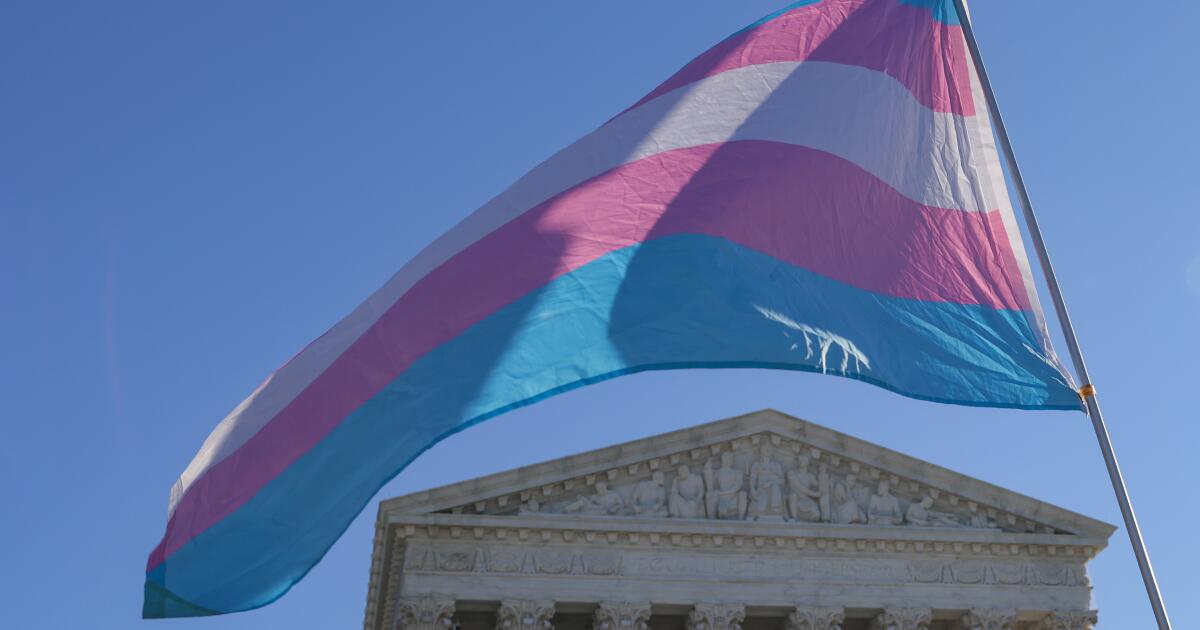
The Supreme Court’s recent ruling on parental rights regarding children’s gender identities in schools has sparked significant debate among educators, parents, and legal experts. In the case of Mirabelli v. Bonta, decided on October 23, 2023, the Court affirmed that parents have the right to be informed of their children’s gender identity situations at school. This decision, while not issuing a final ruling, aligns with a lower court’s interpretation that diverges from the prevailing practices in California.
Erwin Chemerinsky, a law professor at UC Berkeley, noted the key issue centers on the balance between parental rights to information and the state’s responsibility to protect children’s privacy. The Court’s 6-3 decision tilts in favor of parental rights, which may have broad implications for how schools manage sensitive information regarding students’ gender identities.
The ruling allows crucial aspects of U.S. District Judge Roger Benitez‘s earlier decision to take effect while an appeal is pending. Judge Benitez had established that parents possess a federal constitutional right to be informed about LGBTQ+ issues impacting their children. He also asserted that teachers can discuss these matters with parents if they choose, adding complexity to the existing legal framework.
In practical terms, if a parent inquires about their child’s gender identity, school employees are now obligated to disclose relevant information. However, the ruling does not clarify what teachers can communicate to parents who do not ask about these issues, leaving a significant gap in understanding, according to legal experts. The original court order prohibits school districts from misleading parents about their child’s gender presentation and bars employees from lying or using different pronouns when communicating with parents.
As part of the decision, Judge Benitez instructed state officials to notify school districts of the ruling within 20 days. While this deadline has been temporarily halted by an appellate court, pressure is mounting on the California Department of Education to comply and provide guidance to the state’s approximately 1,000 school districts. As of now, the department has refrained from commenting on the ongoing litigation.
The office of California Attorney General Rob Bonta, who has expressed disappointment over the ruling, emphasized its commitment to creating a safe and inclusive environment for all students while acknowledging the essential role parents play in their children’s lives.
California school districts are now navigating a precarious legal landscape. Edgar Zazueta, executive director of the Association of California School Administrators, highlighted the tension between state law, which protects LGBTQ+ student confidentiality, and the Supreme Court’s ruling favoring parental rights. He urged state officials to provide timely guidance to ensure educators can operate within the bounds of both laws.
The response from the governor’s office has been critical. Marissa Saldivar, a spokesperson for Governor Gavin Newsom, stated, “Teachers should be focused on teaching — not forced to be gender cops.” This sentiment reflects the broader debate about the role of educators in discussions about gender identity and parental involvement.
Supporters of the ruling argue that parental rights are paramount, especially regarding the religious beliefs that guide many families. The Supreme Court’s majority opinion highlighted that parents have “sincere religious beliefs about sex and gender” and that California’s policies infringe upon these beliefs. They contended that parents should not be excluded from discussions regarding significant mental health issues affecting their children.
Conversely, critics, including Shannon Minter, legal director at the National Center for LGBTQ Rights, expressed alarm over the potential consequences of the ruling. Minter argued that the decision could lead to the forced outing of transgender students to their parents, which can result in severe emotional and physical harm for some students. He emphasized the importance of the privacy protections that schools have established to safeguard vulnerable students.
According to data referenced in the ruling, at least 598 of California’s school districts have policies in place that limit what parents can be informed about regarding their children’s gender expression if a student requests confidentiality. State officials have warned that the ruling could lead to administrative challenges and jeopardize the safety and privacy of LGBTQ+ students.
As the legal ramifications of this ruling unfold, school districts in California are left to grapple with the implications for their policies and practices regarding student privacy and parental rights. The ongoing discussions will likely shape the educational landscape in California for years to come, as both sides seek to advocate for their positions while emphasizing the importance of student safety and parental involvement.










Revolutionary Photonic Ski-Jump Could Miniaturize LiDAR Systems

Couples Detox from Plastics in New Netflix Doc: Can It Boost Fertility?

Aventon Launches Affordable Full-Suspension Electric Mountain Bike

Discover Eight Must-Try Restaurants This Spring Season

UC Irvine Team Unveils Innovative Ion Pump for Water Treatment

One-Third of Americans Trim Daily Expenses for Healthcare Needs

Apple Secures First Oscar in Three Years with F1: The Movie

Fourth Graders Celebrate St. Patrick’s Day with Creative Weather Drawings

Kim Kardashian Dazzles at Vanity Fair Oscars Party 2026

Nostradamus’ 2026 Predictions: Star Death and Dark Events Loom

Breakthroughs and Challenges Await Science in 2026

Electric Moto Influencer Surronster Arrested in Tijuana

OpenAI to Implement Age Verification for ChatGPT by December 2025

Discover the Top 10 Calorie Counting Apps of 2025

Bella Hadid Shares Health Update After Treatment for Lyme Disease

Analysts Project Stronger Growth for Apple’s iPhone 17 Lineup

Japanese Study Finds Rose Oil Can Increase Brain Gray Matter

Top 10 Penny Stocks to Watch in 2026 for Strong Returns
-
 Science3 months ago
Nostradamus’ 2026 Predictions: Star Death and Dark Events Loom
-
 Science4 months ago
Breakthroughs and Challenges Await Science in 2026
-
 Technology7 months ago
Electric Moto Influencer Surronster Arrested in Tijuana
-
 Technology4 months ago
OpenAI to Implement Age Verification for ChatGPT by December 2025
-
 Technology9 months ago
Discover the Top 10 Calorie Counting Apps of 2025
-
 Health7 months ago
Bella Hadid Shares Health Update After Treatment for Lyme Disease
-
 Health7 months ago
Analysts Project Stronger Growth for Apple’s iPhone 17 Lineup
-
 Health7 months ago
Japanese Study Finds Rose Oil Can Increase Brain Gray Matter
-
 Technology4 months ago
Top 10 Penny Stocks to Watch in 2026 for Strong Returns
-

 Science6 months ago
Starship V3 Set for 2026 Launch After Successful Final Test of Version 2
-

 Technology1 month ago
Nvidia GTC 2026: Major Announcements Expected for AI and Hardware
-

 Education7 months ago
Harvard Secures Court Victory Over Federal Funding Cuts