
Health
Study Reveals SNAP Benefits Fall Short for Healthy Eating

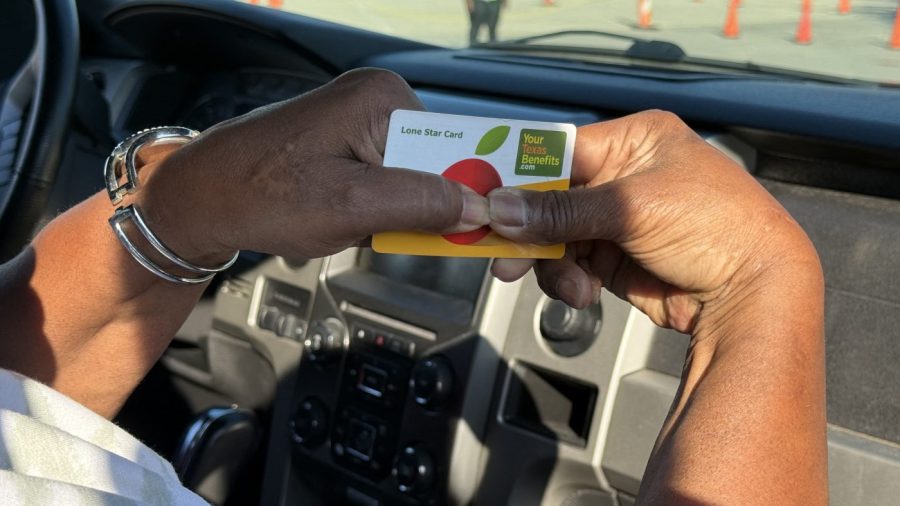
Research conducted by the Harvard T.H. Chan School of Public Health has revealed that the benefits provided by the Supplemental Nutrition Assistance Program (SNAP) are insufficient to cover the costs associated with healthier eating plans. This study specifically analyzed three popular dietary guidelines to determine whether SNAP benefits adequately support nutritious food choices for recipients.
The findings, published in March 2023, indicate that the maximum monthly benefit of $281 per household does not meet the financial demands of adhering to recommended diets, which emphasize fruits, vegetables, whole grains, and lean proteins. Researchers assessed the costs of the Mediterranean, DASH (Dietary Approaches to Stop Hypertension), and vegetarian meal plans, each celebrated for their health benefits.
According to the study, the average monthly expenses for these diets significantly exceed the SNAP benefits. For instance, the Mediterranean diet, known for its focus on healthy fats and whole foods, was estimated to cost nearly $400 per month for a family of four. The DASH diet, targeting hypertension management, similarly required around $360 monthly, while the vegetarian diet had an average cost of $320.
The USDA recognizes the importance of nutrition in public health, yet the findings underscore a critical gap in the support provided to low-income households. Researchers argue that without adequate funding, SNAP recipients may find it challenging to maintain healthy eating habits, which could lead to long-term health issues and increased healthcare costs.
In light of these results, advocates are calling for policy changes to enhance SNAP benefits, enabling participants to afford healthier food options. The study emphasizes the need for a reassessment of the program’s financial framework to better align with the rising costs of nutritious foods.
Officials from the USDA have acknowledged the challenges faced by SNAP recipients. In a statement, a representative noted, “We are committed to ensuring that all Americans have access to healthy and affordable food. We will continue to explore ways to enhance support for low-income families.”
As the conversation around nutrition and food security continues, this study serves as a crucial reminder of the barriers that many face in achieving a balanced diet. Addressing these challenges is essential not only for individual well-being but also for the overall health of communities across the United States.











Revolutionary Photonic Ski-Jump Could Miniaturize LiDAR Systems

Couples Detox from Plastics in New Netflix Doc: Can It Boost Fertility?

Aventon Launches Affordable Full-Suspension Electric Mountain Bike

Discover Eight Must-Try Restaurants This Spring Season

UC Irvine Team Unveils Innovative Ion Pump for Water Treatment

One-Third of Americans Trim Daily Expenses for Healthcare Needs

Apple Secures First Oscar in Three Years with F1: The Movie

Fourth Graders Celebrate St. Patrick’s Day with Creative Weather Drawings

Kim Kardashian Dazzles at Vanity Fair Oscars Party 2026

Nostradamus’ 2026 Predictions: Star Death and Dark Events Loom

Breakthroughs and Challenges Await Science in 2026

Electric Moto Influencer Surronster Arrested in Tijuana

OpenAI to Implement Age Verification for ChatGPT by December 2025

Discover the Top 10 Calorie Counting Apps of 2025

Recovering a Suspended TikTok Account: A Step-by-Step Guide

Bella Hadid Shares Health Update After Treatment for Lyme Disease

Backpack Drives Equip Students with Supplies for New School Year

Analysts Project Stronger Growth for Apple’s iPhone 17 Lineup
-
 Science8 months ago
Nostradamus’ 2026 Predictions: Star Death and Dark Events Loom
-
 Science8 months ago
Breakthroughs and Challenges Await Science in 2026
-
 Technology11 months ago
Electric Moto Influencer Surronster Arrested in Tijuana
-
 Technology9 months ago
OpenAI to Implement Age Verification for ChatGPT by December 2025
-
 Technology1 year ago
Discover the Top 10 Calorie Counting Apps of 2025
-
 Technology1 year ago
Recovering a Suspended TikTok Account: A Step-by-Step Guide
-
 Health11 months ago
Bella Hadid Shares Health Update After Treatment for Lyme Disease
-
 Education1 year ago
Backpack Drives Equip Students with Supplies for New School Year
-
 Health11 months ago
Analysts Project Stronger Growth for Apple’s iPhone 17 Lineup
-

 Health12 months ago
Japanese Study Finds Rose Oil Can Increase Brain Gray Matter
-

 Technology8 months ago
Top 10 Penny Stocks to Watch in 2026 for Strong Returns
-

 Science10 months ago
Starship V3 Set for 2026 Launch After Successful Final Test of Version 2