
Health
Sickle Cell Treatment Turns Two, Patients Still Await Access

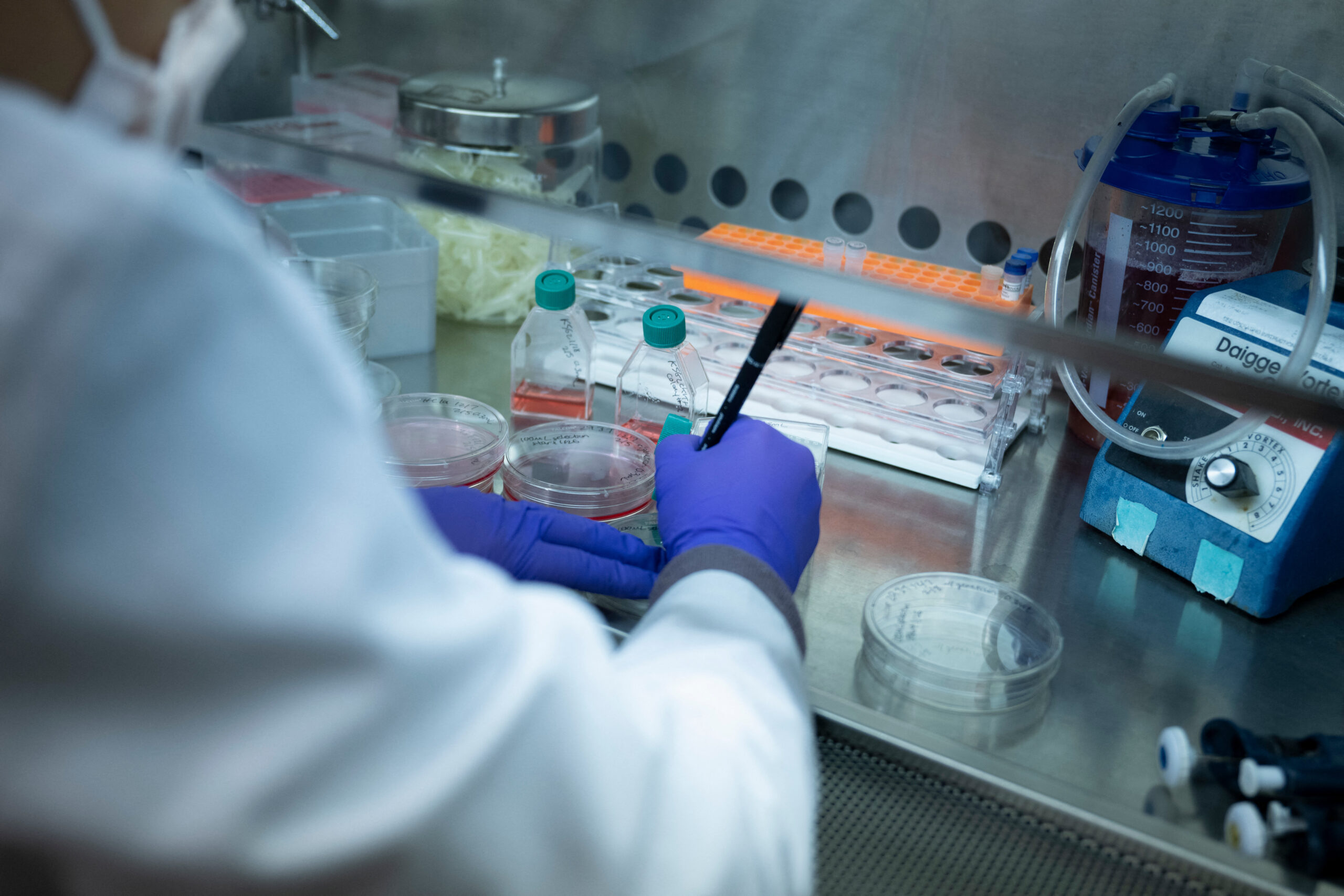
The innovative treatment for sickle cell disease, which emerged two years ago, has yet to reach many of the patients who need it most. Despite efforts by the Trump Administration to expand access, a significant number of individuals in rural areas still await the complex care that could significantly improve their quality of life.
Since its introduction in 2021, gene therapy has been heralded as a potential breakthrough for managing this debilitating illness. The treatment involves correcting the genetic defect responsible for sickle cell disease, offering hope to thousands. However, the reality is that implementation remains uneven, with many patients facing long wait times and limited access to specialized facilities.
Challenges in Accessing Care
According to the Health Resources and Services Administration (HRSA), the number of facilities equipped to provide this complex treatment is still minimal, particularly in rural regions. This lack of infrastructure leaves many patients unable to take advantage of the therapy. The HRSA report highlights that only a handful of centers nationwide are offering the necessary services, which include comprehensive care plans and follow-up treatments.
Patients in underserved areas often face additional hurdles beyond mere logistics. Many lack transportation options to travel to distant treatment centers, while others deal with financial constraints that make accessing care even more challenging. The disparity in healthcare access has raised concerns among advocacy groups and health officials alike.
The Path Forward
Efforts to bridge this gap are ongoing. The National Institutes of Health (NIH) is working with state and local governments to enhance the reach of sickle cell treatment programs. Initiatives aim to increase funding and resources in rural areas, which could significantly alter the landscape of sickle cell care.
Advocates stress the importance of continued investment in healthcare infrastructure to ensure that all patients have timely access to effective treatments. As of 2023, many organizations are lobbying for better policies that prioritize healthcare equity, particularly for those living in isolated communities.
While the promise of a miracle cure is inspiring, the reality is that many patients are still waiting for the support and resources they need to benefit from this groundbreaking treatment. The coming years will be crucial in determining how effectively these challenges can be addressed, and whether the advances in medical science can reach every individual in need.













Revolutionary Photonic Ski-Jump Could Miniaturize LiDAR Systems

Couples Detox from Plastics in New Netflix Doc: Can It Boost Fertility?

Aventon Launches Affordable Full-Suspension Electric Mountain Bike

Discover Eight Must-Try Restaurants This Spring Season

UC Irvine Team Unveils Innovative Ion Pump for Water Treatment

One-Third of Americans Trim Daily Expenses for Healthcare Needs

Apple Secures First Oscar in Three Years with F1: The Movie

Fourth Graders Celebrate St. Patrick’s Day with Creative Weather Drawings

Kim Kardashian Dazzles at Vanity Fair Oscars Party 2026

Nostradamus’ 2026 Predictions: Star Death and Dark Events Loom

Breakthroughs and Challenges Await Science in 2026

Electric Moto Influencer Surronster Arrested in Tijuana

OpenAI to Implement Age Verification for ChatGPT by December 2025

Discover the Top 10 Calorie Counting Apps of 2025

Recovering a Suspended TikTok Account: A Step-by-Step Guide

Bella Hadid Shares Health Update After Treatment for Lyme Disease

Backpack Drives Equip Students with Supplies for New School Year

Analysts Project Stronger Growth for Apple’s iPhone 17 Lineup
-
 Science7 months ago
Nostradamus’ 2026 Predictions: Star Death and Dark Events Loom
-
 Science7 months ago
Breakthroughs and Challenges Await Science in 2026
-
 Technology10 months ago
Electric Moto Influencer Surronster Arrested in Tijuana
-
 Technology8 months ago
OpenAI to Implement Age Verification for ChatGPT by December 2025
-
 Technology1 year ago
Discover the Top 10 Calorie Counting Apps of 2025
-
 Technology1 year ago
Recovering a Suspended TikTok Account: A Step-by-Step Guide
-
 Health10 months ago
Bella Hadid Shares Health Update After Treatment for Lyme Disease
-
 Education1 year ago
Backpack Drives Equip Students with Supplies for New School Year
-
 Health11 months ago
Analysts Project Stronger Growth for Apple’s iPhone 17 Lineup
-

 Technology7 months ago
Top 10 Penny Stocks to Watch in 2026 for Strong Returns
-

 Health11 months ago
Japanese Study Finds Rose Oil Can Increase Brain Gray Matter
-

 Science9 months ago
Starship V3 Set for 2026 Launch After Successful Final Test of Version 2