
Health
Federal Shutdown Threatens Food Assistance for Nearly 1 Million in New Jersey

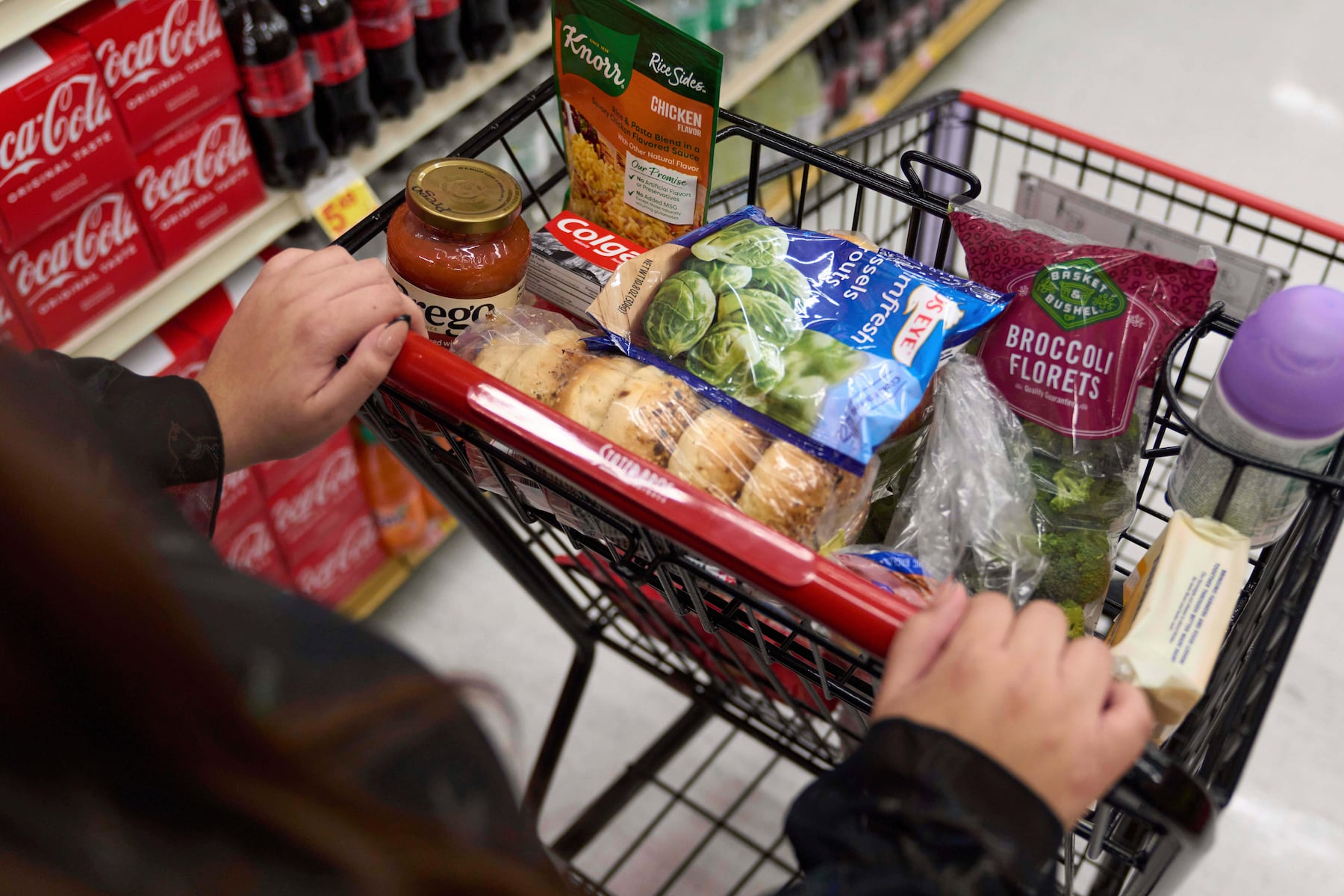
The ongoing federal government shutdown poses a significant risk to food assistance programs for nearly one million residents in New Jersey. The New Jersey Department of Health has issued a warning that the shutdown could disrupt the Supplemental Nutrition Assistance Program (SNAP) and the Special Supplemental Nutrition Program for Women, Infants and Children (WIC) beginning in November. Acting Commissioner Jeff Brown expressed deep concern over the potential for delayed benefits, stating that families may struggle to access essential food resources.
As of October 21, 2023, the shutdown has extended into its 19th day, with no clear resolution in sight. Brown highlighted the impact on local partners who rely on federal funding to provide food assistance, saying, “This could make it harder for families across New Jersey to buy the food they need.” The New Jersey SNAP website has also issued alerts indicating that benefits may not be available on time, raising uncertainty about whether funds loaded onto Families First EBT cards prior to October 31, 2025, will remain usable after November 1, 2025.
Concerns are not limited to New Jersey. According to Brooke Rollins, Secretary of the U.S. Department of Agriculture, SNAP is expected to deplete its funds within two weeks, potentially affecting around 42 million Americans. Rollins emphasized the dire situation, stating, “You’re talking about millions and millions of vulnerable families, of hungry families, that are not going to have access to these programs because of this shutdown.”
In New Jersey alone, over 800,000 residents depend on SNAP each month for food assistance. The program is funded by the U.S. Department of Agriculture and managed by the New Jersey Department of Human Services. Additionally, approximately 165,000 women and children under the age of five benefit from the state’s WIC program, which offers nutritious food and breastfeeding education.
The situation is further complicated by the lack of appropriated funds for the fiscal year 2026, as detailed by Brown. Cuts to SNAP benefits could vary by state, a result of a tax bill passed earlier this summer under former President Donald Trump. Preliminary analyses suggest that over 22 million households, including 400,000 in New Jersey, could face reductions in their benefits.
There are ongoing discussions about potential intervention from the federal government to secure funding for SNAP benefits. Recently, White House Press Secretary Karoline Leavitt announced that $300 million generated from tariff revenue will be allocated to the WIC program.
Residents seeking information about SNAP can visit NJSNAP.gov, while updates regarding WIC are available at NJ.gov/health. The situation remains fluid as federal officials navigate the complexities of the shutdown and its implications for vital assistance programs.












Revolutionary Photonic Ski-Jump Could Miniaturize LiDAR Systems

Couples Detox from Plastics in New Netflix Doc: Can It Boost Fertility?

Aventon Launches Affordable Full-Suspension Electric Mountain Bike

Discover Eight Must-Try Restaurants This Spring Season

UC Irvine Team Unveils Innovative Ion Pump for Water Treatment

One-Third of Americans Trim Daily Expenses for Healthcare Needs

Apple Secures First Oscar in Three Years with F1: The Movie

Fourth Graders Celebrate St. Patrick’s Day with Creative Weather Drawings

Kim Kardashian Dazzles at Vanity Fair Oscars Party 2026

Nostradamus’ 2026 Predictions: Star Death and Dark Events Loom

Breakthroughs and Challenges Await Science in 2026

Electric Moto Influencer Surronster Arrested in Tijuana

OpenAI to Implement Age Verification for ChatGPT by December 2025

Discover the Top 10 Calorie Counting Apps of 2025

Recovering a Suspended TikTok Account: A Step-by-Step Guide

Bella Hadid Shares Health Update After Treatment for Lyme Disease

Backpack Drives Equip Students with Supplies for New School Year

Analysts Project Stronger Growth for Apple’s iPhone 17 Lineup
-
 Science8 months ago
Nostradamus’ 2026 Predictions: Star Death and Dark Events Loom
-
 Science8 months ago
Breakthroughs and Challenges Await Science in 2026
-
 Technology11 months ago
Electric Moto Influencer Surronster Arrested in Tijuana
-
 Technology9 months ago
OpenAI to Implement Age Verification for ChatGPT by December 2025
-
 Technology1 year ago
Discover the Top 10 Calorie Counting Apps of 2025
-
 Technology1 year ago
Recovering a Suspended TikTok Account: A Step-by-Step Guide
-
 Health11 months ago
Bella Hadid Shares Health Update After Treatment for Lyme Disease
-
 Education1 year ago
Backpack Drives Equip Students with Supplies for New School Year
-
 Health12 months ago
Analysts Project Stronger Growth for Apple’s iPhone 17 Lineup
-

 Health12 months ago
Japanese Study Finds Rose Oil Can Increase Brain Gray Matter
-

 Technology8 months ago
Top 10 Penny Stocks to Watch in 2026 for Strong Returns
-

 Science10 months ago
Starship V3 Set for 2026 Launch After Successful Final Test of Version 2