
Health
FDA Approves Addyi for Women Over 65 to Boost Libido

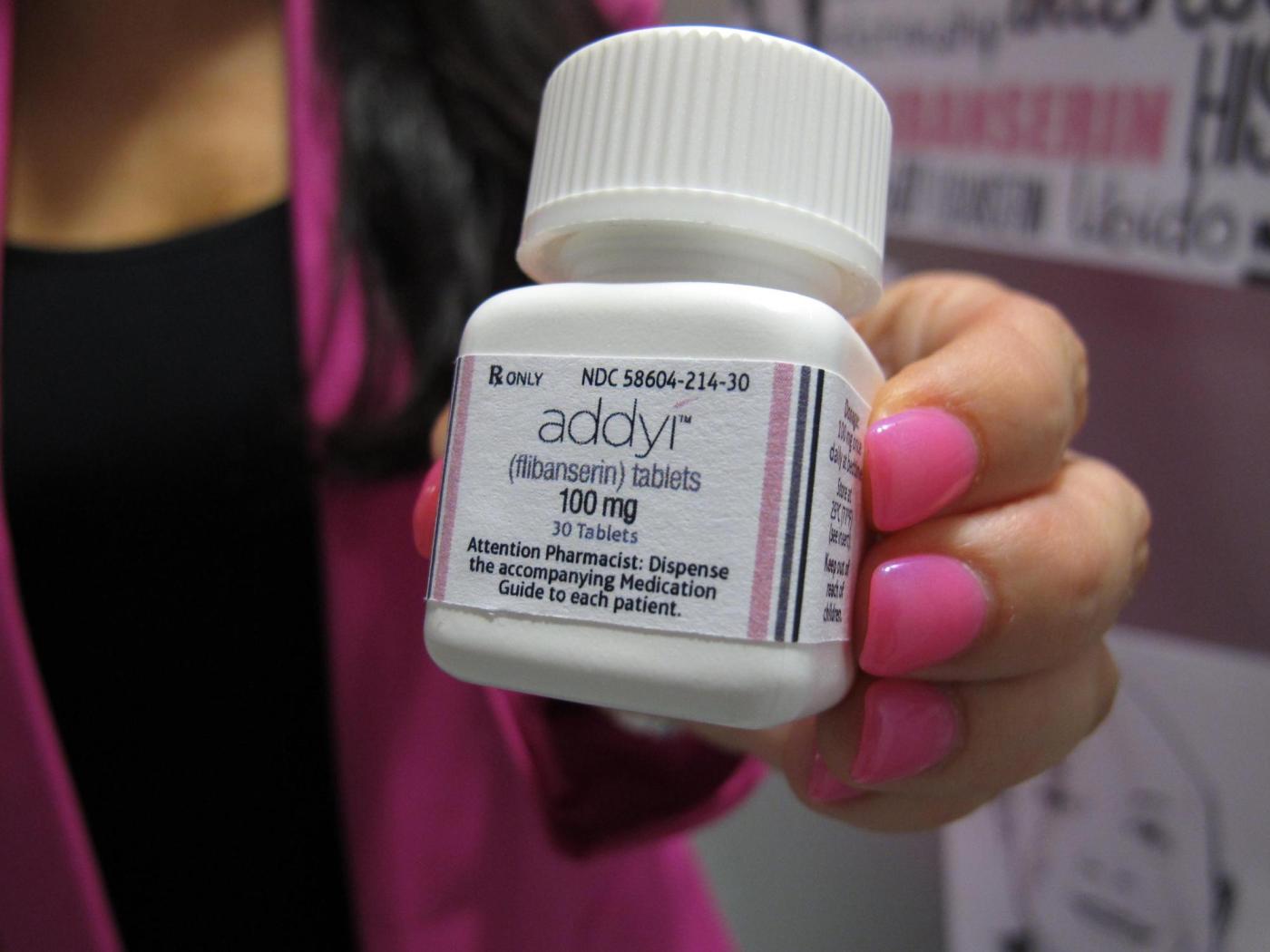
U.S. health officials have expanded the approval of the libido-boosting medication, Addyi, allowing women aged 65 and older who have gone through menopause to use the once-daily pill. The announcement from the Food and Drug Administration (FDA) on March 4, 2024, marks a significant milestone in addressing female sexual health, especially for those experiencing diminished sexual desire.
Originally approved in 2015 for premenopausal women experiencing emotional distress due to low libido, Addyi is manufactured by Sprout Pharmaceuticals. The drug targets brain chemicals that influence mood and appetite, with the goal of increasing sexual desire. Despite its initial promise, Addyi has faced challenges related to side effects and sales performance.
The FDA’s decision to broaden the drug’s application acknowledges the complexities surrounding female sexual health, particularly the medical condition known as hypoactive sexual desire disorder. This condition has been recognized since the 1990s and is believed to affect a significant number of women in the United States.
Controversy and Efficacy
Despite the new approval, Addyi has not been without controversy. The medication can cause side effects such as dizziness and nausea, and it carries a boxed warning about the risks of consuming alcohol while taking the pill. The combination can lead to dangerously low blood pressure and fainting.
In the past, the FDA rejected Addyi twice before granting approval in 2015, citing its modest effectiveness and concerning side effects. The approval followed a lobbying effort by Sprout Pharmaceuticals and advocates who framed the lack of treatment options for female libido as a matter of women’s rights.
Cindy Eckert, CEO of Sprout, remarked that the latest approval reflects a decade of persistent effort to change how women’s sexual health is prioritized. This updated approval is expected to provide new options for older women who may face unique challenges related to libido and sexual health after menopause.
Understanding Female Sexual Health
Diagnosing hypoactive sexual desire disorder can be intricate, as various factors can influence libido after menopause. These include hormonal changes, relationship issues, and other medical or psychological conditions. Healthcare providers are tasked with ruling out these factors before prescribing medications like Addyi.
The FDA’s recent move follows the 2019 approval of a second treatment for low female libido, which consists of an on-demand injection that works differently from Addyi. This expanding landscape of treatment options reflects a growing recognition of women’s health needs, although the debate over how to diagnose and treat female sexual dysfunction remains ongoing.
As more attention is directed towards understanding women’s sexual health, the implications of the FDA’s approval of Addyi for older women may pave the way for further advancements in this area of medicine.












Revolutionary Photonic Ski-Jump Could Miniaturize LiDAR Systems

Couples Detox from Plastics in New Netflix Doc: Can It Boost Fertility?

Aventon Launches Affordable Full-Suspension Electric Mountain Bike

Discover Eight Must-Try Restaurants This Spring Season

UC Irvine Team Unveils Innovative Ion Pump for Water Treatment

One-Third of Americans Trim Daily Expenses for Healthcare Needs

Apple Secures First Oscar in Three Years with F1: The Movie

Fourth Graders Celebrate St. Patrick’s Day with Creative Weather Drawings

Kim Kardashian Dazzles at Vanity Fair Oscars Party 2026

Nostradamus’ 2026 Predictions: Star Death and Dark Events Loom

Breakthroughs and Challenges Await Science in 2026

Electric Moto Influencer Surronster Arrested in Tijuana

OpenAI to Implement Age Verification for ChatGPT by December 2025

Discover the Top 10 Calorie Counting Apps of 2025

Bella Hadid Shares Health Update After Treatment for Lyme Disease

Analysts Project Stronger Growth for Apple’s iPhone 17 Lineup

Japanese Study Finds Rose Oil Can Increase Brain Gray Matter

Top 10 Penny Stocks to Watch in 2026 for Strong Returns
-
 Science4 months ago
Nostradamus’ 2026 Predictions: Star Death and Dark Events Loom
-
 Science4 months ago
Breakthroughs and Challenges Await Science in 2026
-
 Technology7 months ago
Electric Moto Influencer Surronster Arrested in Tijuana
-
 Technology4 months ago
OpenAI to Implement Age Verification for ChatGPT by December 2025
-
 Technology9 months ago
Discover the Top 10 Calorie Counting Apps of 2025
-
 Health7 months ago
Bella Hadid Shares Health Update After Treatment for Lyme Disease
-
 Health7 months ago
Analysts Project Stronger Growth for Apple’s iPhone 17 Lineup
-
 Health7 months ago
Japanese Study Finds Rose Oil Can Increase Brain Gray Matter
-
 Technology4 months ago
Top 10 Penny Stocks to Watch in 2026 for Strong Returns
-

 Science6 months ago
Starship V3 Set for 2026 Launch After Successful Final Test of Version 2
-

 Technology1 month ago
Nvidia GTC 2026: Major Announcements Expected for AI and Hardware
-

 Education7 months ago
Harvard Secures Court Victory Over Federal Funding Cuts