
Health
FDA Approves Addyi for Women Over 65 to Boost Libido

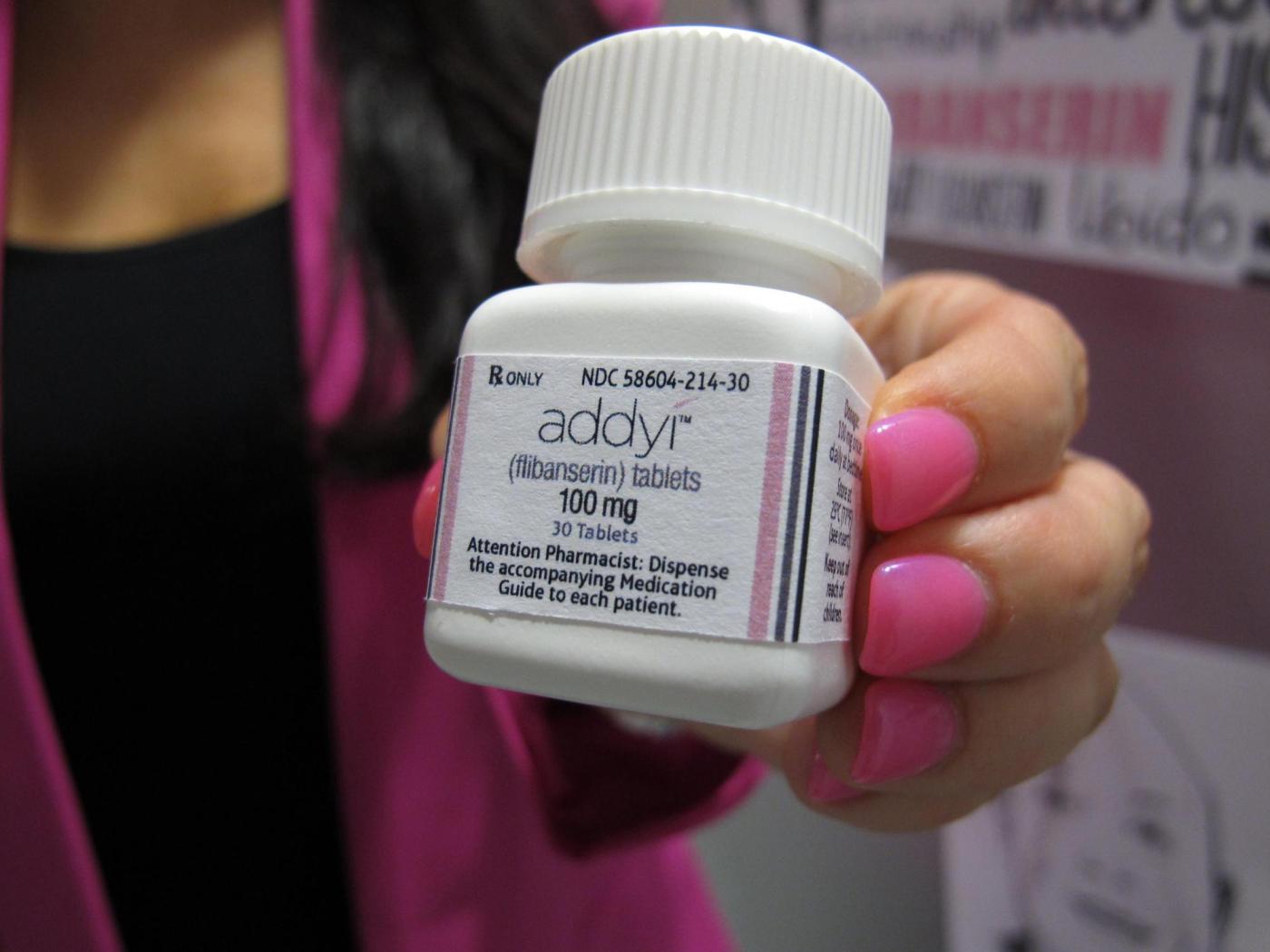
U.S. health officials have expanded the approval of the libido-enhancing pill, Addyi, to include women over the age of 65 who have gone through menopause. The announcement from the **U.S. Food and Drug Administration (FDA)** on March 18, 2024, marks a significant shift in the medication’s application, which was initially approved in **2015** for premenopausal women experiencing emotional distress due to low sexual drive.
The pill, produced by **Sprout Pharmaceuticals**, is designed to address hypoactive sexual desire disorder, a condition affecting many women and recognized since the 1990s. Despite its intended benefits, Addyi has faced criticism due to its side effects, which include dizziness and nausea. Moreover, the drug carries a boxed warning—the most severe safety notice from the FDA—indicating that mixing the pill with alcohol can lead to dangerously low blood pressure and fainting.
Challenges and Controversies Surrounding Addyi
Initially expected to be a blockbuster treatment, Addyi’s sales have been limited, partly because of its side effects and the complexities surrounding the diagnosis of low libido in women. Doctors must evaluate various factors that may affect sexual desire, particularly post-menopause, when declining hormone levels can result in numerous biological changes and health issues. Before prescribing Addyi, healthcare professionals typically rule out other potential causes, including relationship difficulties and mental health disorders.
Sprout Pharmaceuticals’ CEO, **Cindy Eckert**, expressed optimism about the FDA’s decision, stating that it reflects a decade of advocacy aimed at reshaping the perception and prioritization of women’s sexual health. The company’s press release emphasized the importance of expanding treatment options for women facing sexual health issues.
The initial approval of Addyi was met with resistance, as the FDA rejected the drug twice before finally granting approval in **2015**. This decision followed a lobbying effort led by the company and its supporters, who framed the limited options for women’s sexual health as a matter of women’s rights. In **2019**, the FDA approved a second medication for low female libido, an on-demand injection that operates on different neurological pathways.
The Broader Context of Women’s Sexual Health
Despite the advances made in treating hypoactive sexual desire disorder, the diagnosis remains controversial. Some psychologists argue that low libido should not be classified as a medical condition, complicating the landscape for women seeking help.
The condition is believed to impact a significant portion of American women, with surveys indicating varying degrees of prevalence. As research into female sexual dysfunction grows, the challenges of creating effective treatments continue to prompt discussions about gender equity in healthcare.
According to the **Associated Press**, the health and science department is supported by the **Howard Hughes Medical Institute’s** Department of Science Education and the **Robert Wood Johnson Foundation**. The information presented here comes from a variety of credible sources and underscores the ongoing evolution of women’s health treatments.












Revolutionary Photonic Ski-Jump Could Miniaturize LiDAR Systems

Couples Detox from Plastics in New Netflix Doc: Can It Boost Fertility?

Aventon Launches Affordable Full-Suspension Electric Mountain Bike

Discover Eight Must-Try Restaurants This Spring Season

UC Irvine Team Unveils Innovative Ion Pump for Water Treatment

One-Third of Americans Trim Daily Expenses for Healthcare Needs

Apple Secures First Oscar in Three Years with F1: The Movie

Fourth Graders Celebrate St. Patrick’s Day with Creative Weather Drawings

Kim Kardashian Dazzles at Vanity Fair Oscars Party 2026

Nostradamus’ 2026 Predictions: Star Death and Dark Events Loom

Breakthroughs and Challenges Await Science in 2026

Electric Moto Influencer Surronster Arrested in Tijuana

OpenAI to Implement Age Verification for ChatGPT by December 2025

Discover the Top 10 Calorie Counting Apps of 2025

Recovering a Suspended TikTok Account: A Step-by-Step Guide

Bella Hadid Shares Health Update After Treatment for Lyme Disease

Backpack Drives Equip Students with Supplies for New School Year

Analysts Project Stronger Growth for Apple’s iPhone 17 Lineup
-
 Science7 months ago
Nostradamus’ 2026 Predictions: Star Death and Dark Events Loom
-
 Science8 months ago
Breakthroughs and Challenges Await Science in 2026
-
 Technology11 months ago
Electric Moto Influencer Surronster Arrested in Tijuana
-
 Technology8 months ago
OpenAI to Implement Age Verification for ChatGPT by December 2025
-
 Technology1 year ago
Discover the Top 10 Calorie Counting Apps of 2025
-
 Technology1 year ago
Recovering a Suspended TikTok Account: A Step-by-Step Guide
-
 Health11 months ago
Bella Hadid Shares Health Update After Treatment for Lyme Disease
-
 Education1 year ago
Backpack Drives Equip Students with Supplies for New School Year
-
 Health11 months ago
Analysts Project Stronger Growth for Apple’s iPhone 17 Lineup
-

 Technology8 months ago
Top 10 Penny Stocks to Watch in 2026 for Strong Returns
-

 Health11 months ago
Japanese Study Finds Rose Oil Can Increase Brain Gray Matter
-

 Science10 months ago
Starship V3 Set for 2026 Launch After Successful Final Test of Version 2