
Health
Chicago Leaders Warn of Health Care Crisis as Subsidies Expire

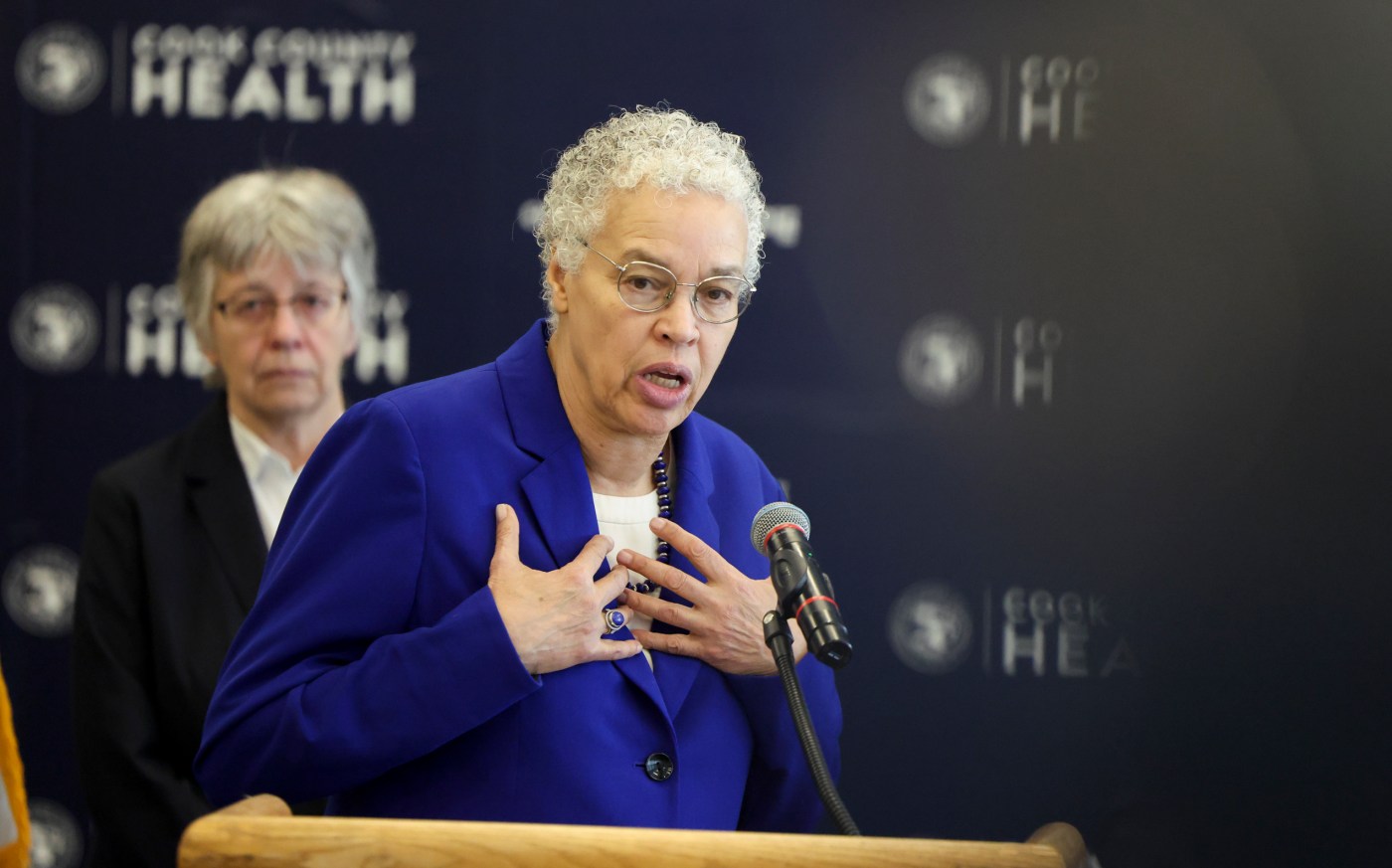
As health care subsidies are set to expire at the beginning of 2024, officials in Cook County, Illinois, have raised alarms about the potential consequences for millions of residents and the local health care system. Leaders from Cook County Health and various political figures highlighted the urgent need for action as they reported that the end of these federal tax credits could drastically increase health insurance premiums for many families.
During a news conference on January 3, 2024, at the John H. Stroger Hospital Professional Building, Cook County Board President Toni Preckwinkle underscored the immediate impacts of the subsidy expiration. She stated, “The cost would be immediate and personal,” warning that many individuals would face “higher premiums, lost coverage, delayed care, and growing anxiety about what happens when someone gets sick.” The Affordable Care Act (ACA) had expanded access to health care for many, particularly during the COVID-19 pandemic, but now, the expiration of these subsidies threatens to reverse those gains.
The subsidies, which Congress initially expanded during the pandemic, were set to provide critical support for those purchasing insurance through the ACA marketplace. According to U.S. Rep. Raja Krishnamoorthi, one of the Democratic candidates for the U.S. Senate, an estimated 360,000 Cook County residents rely on ACA coverage, with around 90% depending on these tax credits to afford their premiums. He noted that average monthly premiums could potentially double without federal assistance, putting health care out of reach for many families.
The potential fallout from the subsidy expiration is particularly concerning for those on fixed incomes or managing chronic health conditions. “Some will need to choose between food on their table and seeing a doctor,” warned Donnica Austin-Cathey, chief hospital executive at Stroger. “Others will have to decide between purchasing essential medications and paying their rent.”
Impact on Health Care Services
The ACA significantly changed the landscape of health care in Cook County, enabling more patients to gain insurance and access preventive care, ultimately reducing emergency room visits for chronic conditions. Cook County Health has historically maintained a mission to treat all patients, regardless of their ability to pay. The ACA allowed the organization to receive payments for insured care and to establish its own Medicaid managed care program, known as CountyCare.
With the loss of premium subsidies, officials anticipate a resurgence of uninsured patients seeking emergency care for serious health issues, which tend to be more costly to treat. According to local leaders, the projected charity care costs for Cook County Health are set to rise from a pandemic low of $134 million in 2022 to an alarming $380 million by 2026. “These costs will not disappear. They are pushed onto hospitals, counties, and ultimately, taxpayers,” Krishnamoorthi added.
The situation is further complicated by ongoing negotiations in Congress regarding the future of these subsidies. A bipartisan group of House members has filed a discharge petition aimed at forcing a vote on the extension of the premium tax credits early in January. However, Senate Republicans have expressed opposition to extending the subsidies without modifications aimed at reducing the federal government’s expenditure. The Congressional Budget Office estimates that a simple extension of the subsidies would cost more than $100 billion annually.
Future Steps and Community Support
Despite the challenges ahead, Preckwinkle reassured residents that Cook County will continue its commitment to treating all patients and will expand outreach efforts to help residents navigate their options, maintain coverage, and transition into CountyCare or other programs as necessary. “We have some reserves to weather the fiscal storm,” she stated.
Krishnamoorthi expressed optimism that the discharge petition would pass in the House, creating pressure on the Senate to act. He noted that if a deal is reached, it may still be possible to apply the credits retroactively, although those who have opted out of insurance because of costs may find themselves without options.
In the interim, he emphasized that “insurance companies absolutely should do whatever it takes to kind of tide people over for as long as they can,” reflecting a growing sense of urgency among local leaders to address the looming health care crisis in Cook County.












Revolutionary Photonic Ski-Jump Could Miniaturize LiDAR Systems

Couples Detox from Plastics in New Netflix Doc: Can It Boost Fertility?

Aventon Launches Affordable Full-Suspension Electric Mountain Bike

Discover Eight Must-Try Restaurants This Spring Season

UC Irvine Team Unveils Innovative Ion Pump for Water Treatment

One-Third of Americans Trim Daily Expenses for Healthcare Needs

Apple Secures First Oscar in Three Years with F1: The Movie

Fourth Graders Celebrate St. Patrick’s Day with Creative Weather Drawings

Kim Kardashian Dazzles at Vanity Fair Oscars Party 2026

Nostradamus’ 2026 Predictions: Star Death and Dark Events Loom

Breakthroughs and Challenges Await Science in 2026

Electric Moto Influencer Surronster Arrested in Tijuana

OpenAI to Implement Age Verification for ChatGPT by December 2025

Discover the Top 10 Calorie Counting Apps of 2025

Recovering a Suspended TikTok Account: A Step-by-Step Guide

Bella Hadid Shares Health Update After Treatment for Lyme Disease

Backpack Drives Equip Students with Supplies for New School Year

Analysts Project Stronger Growth for Apple’s iPhone 17 Lineup
-
 Science8 months ago
Nostradamus’ 2026 Predictions: Star Death and Dark Events Loom
-
 Science8 months ago
Breakthroughs and Challenges Await Science in 2026
-
 Technology11 months ago
Electric Moto Influencer Surronster Arrested in Tijuana
-
 Technology9 months ago
OpenAI to Implement Age Verification for ChatGPT by December 2025
-
 Technology1 year ago
Discover the Top 10 Calorie Counting Apps of 2025
-
 Technology1 year ago
Recovering a Suspended TikTok Account: A Step-by-Step Guide
-
 Health11 months ago
Bella Hadid Shares Health Update After Treatment for Lyme Disease
-
 Education1 year ago
Backpack Drives Equip Students with Supplies for New School Year
-
 Health12 months ago
Analysts Project Stronger Growth for Apple’s iPhone 17 Lineup
-

 Health12 months ago
Japanese Study Finds Rose Oil Can Increase Brain Gray Matter
-

 Technology8 months ago
Top 10 Penny Stocks to Watch in 2026 for Strong Returns
-

 Science10 months ago
Starship V3 Set for 2026 Launch After Successful Final Test of Version 2