
Health
Americans Reduce Ultraprocessed Food Intake, C.D.C. Reports

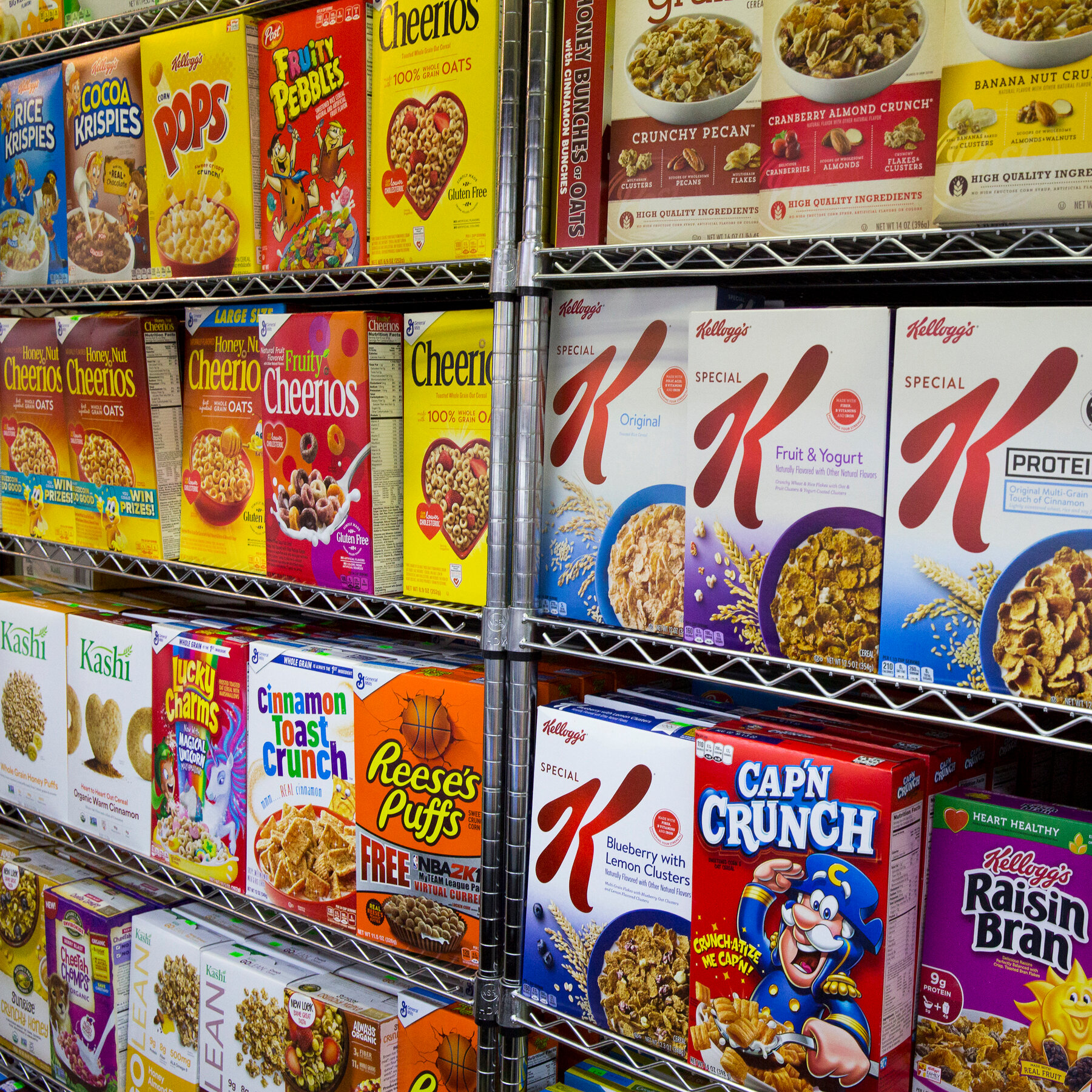
Recent data from the Centers for Disease Control and Prevention (C.D.C.) indicates that Americans have slightly reduced their consumption of ultraprocessed foods. The findings, derived from the C.D.C.’s National Health and Nutrition Examination Survey, reveal that ultraprocessed foods accounted for approximately 58.8% of total caloric intake during the years 2021-2022. This marks a decrease from 60.1% in 2020, suggesting a small shift in dietary habits among the American population.
The report highlights a growing awareness regarding the health implications of ultraprocessed foods, which typically include items such as sugary snacks, ready-to-eat meals, and sodas. Although the decline is modest, it reflects a potential trend toward more mindful eating practices. Experts emphasize that these foods are often linked to health issues such as obesity, diabetes, and heart disease.
The data also shows that 22.6% of total caloric intake came from minimally processed or whole foods, indicating a potential shift towards healthier options. Despite the decrease in ultraprocessed food consumption, these items still represent a significant portion of the American diet.
Health Implications and Consumer Awareness
The C.D.C. data underscores the ongoing public health challenge posed by ultraprocessed foods. Nutritionists and health advocates have long cautioned against excessive consumption of these products due to their high sugar, salt, and unhealthy fat content. The agency’s findings suggest that consumers may be becoming more aware of these health risks, leading to slight adjustments in their eating habits.
In recent years, various health campaigns have aimed to educate the public about the benefits of whole foods and the drawbacks of ultraprocessed options. The increase in the availability of fresh produce and whole foods in grocery stores and markets could also be contributing to this shift.
As Americans demonstrate a willingness to embrace healthier diets, the impact on public health could be significant. Lower consumption of ultraprocessed foods may lead to improved health outcomes over time, reducing the burden of diet-related diseases.
Looking Ahead
While the reduction in ultraprocessed food consumption is a positive sign, public health officials caution that more substantial changes are necessary to achieve long-term health improvements. Continued efforts to promote healthy eating, alongside ongoing education about nutrition, will be crucial in sustaining this trend.
The C.D.C. plans to monitor dietary patterns closely in the coming years. With the 2023 data set expected to provide further insights, public health experts remain hopeful that the trajectory will continue towards healthier eating habits among Americans.
As consumers become more informed and proactive about their dietary choices, the potential for a lasting decline in ultraprocessed food consumption may pave the way for a healthier future for the nation.









Revolutionary Photonic Ski-Jump Could Miniaturize LiDAR Systems

Couples Detox from Plastics in New Netflix Doc: Can It Boost Fertility?

Aventon Launches Affordable Full-Suspension Electric Mountain Bike

Discover Eight Must-Try Restaurants This Spring Season

UC Irvine Team Unveils Innovative Ion Pump for Water Treatment

One-Third of Americans Trim Daily Expenses for Healthcare Needs

Apple Secures First Oscar in Three Years with F1: The Movie

Fourth Graders Celebrate St. Patrick’s Day with Creative Weather Drawings

Kim Kardashian Dazzles at Vanity Fair Oscars Party 2026

Nostradamus’ 2026 Predictions: Star Death and Dark Events Loom

Breakthroughs and Challenges Await Science in 2026

Electric Moto Influencer Surronster Arrested in Tijuana

OpenAI to Implement Age Verification for ChatGPT by December 2025

Discover the Top 10 Calorie Counting Apps of 2025

Bella Hadid Shares Health Update After Treatment for Lyme Disease

Analysts Project Stronger Growth for Apple’s iPhone 17 Lineup

Japanese Study Finds Rose Oil Can Increase Brain Gray Matter

Top 10 Penny Stocks to Watch in 2026 for Strong Returns
-
 Science6 months ago
Nostradamus’ 2026 Predictions: Star Death and Dark Events Loom
-
 Science7 months ago
Breakthroughs and Challenges Await Science in 2026
-
 Technology10 months ago
Electric Moto Influencer Surronster Arrested in Tijuana
-
 Technology7 months ago
OpenAI to Implement Age Verification for ChatGPT by December 2025
-
 Technology12 months ago
Discover the Top 10 Calorie Counting Apps of 2025
-
 Health10 months ago
Bella Hadid Shares Health Update After Treatment for Lyme Disease
-
 Health10 months ago
Analysts Project Stronger Growth for Apple’s iPhone 17 Lineup
-
 Health10 months ago
Japanese Study Finds Rose Oil Can Increase Brain Gray Matter
-
 Technology7 months ago
Top 10 Penny Stocks to Watch in 2026 for Strong Returns
-

 Science9 months ago
Starship V3 Set for 2026 Launch After Successful Final Test of Version 2
-

 Technology9 months ago
InMotion Unveils P6 Electric Unicycle with 93 MPH Top Speed
-

 Technology4 months ago
Nvidia GTC 2026: Major Announcements Expected for AI and Hardware