
Health
Alaska Races to Allocate $272 Million for Rural Health Care

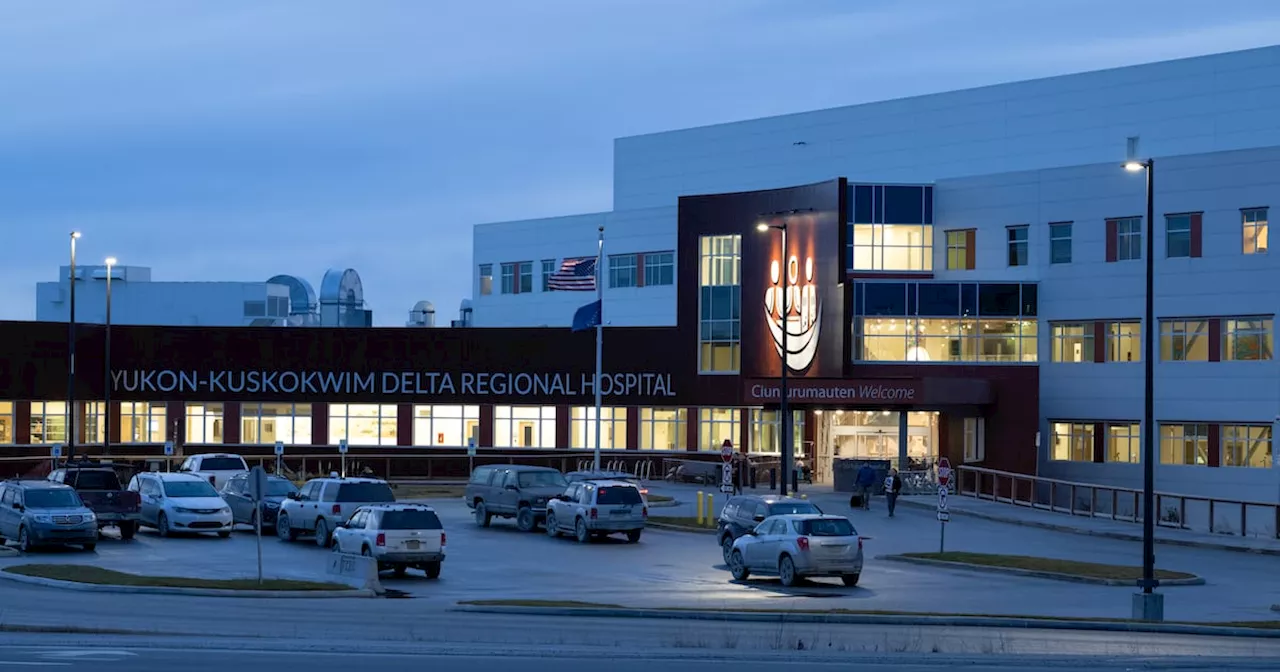
The Alaska Department of Health is preparing to allocate a substantial **$272 million** in federal funding aimed at improving health care in rural areas. This initiative is part of a broader program established by Congress to enhance health care delivery across the United States. The state faces a critical deadline, needing to award all funds by **October 2023**, or risk losing the financial support.
The funding stems from a **$50 billion** initiative announced in July 2022, spearheaded by congressional Republicans and backed by Alaska’s congressional delegation. This program is designed to address the unique health care challenges faced by rural communities, but it also comes with stringent requirements that health officials are now working to navigate.
Starting on **March 11, 2024**, the Alaska Department of Health will begin soliciting letters of interest for funding proposals. The **Alaska Community Foundation** has been entrusted with overseeing the application process, and funding disbursements are expected to commence in **April 2024**. Alex McKay, president of the Alaska Community Foundation, indicated the urgency of the situation, emphasizing the need for swift action to ensure all funds are effectively utilized.
The Department of Health has noted that unspent funds by **October 2027** could be reclaimed by the federal government, potentially impacting future allocations for the state. As a result, health officials are under pressure to identify viable projects that comply with federal restrictions, which notably exclude the construction of new health care facilities.
The timeline for the funding application process is tight, leading to concerns about how quickly projects can be identified and funded. Jared Kosin, director of the Alaska Hospital and Healthcare Association, expressed the complexities involved, stating, “We have this massive opportunity in front of us in terms of dollars, but it’s full of challenges that we have to all be realistic about.”
In a recent hearing, members of a newly formed advisory council raised concerns about the ability to efficiently allocate the **$272 million** within the limited timeframe. “It wouldn’t be difficult to waste this funding,” cautioned **Sen. Forrest Dunbar**, chair of the Senate Health and Social Services Committee. Questions have arisen regarding the decision-making authority for fund distribution, which currently rests with the executive branch and the Department of Health.
Some lawmakers, including Senate Majority Leader **Cathy Giessel**, have voiced their concerns about the lack of legislative involvement in the funding process. Giessel, along with Rep. **Genevieve Mina**, intends to represent the Legislature on the Department’s advisory council, reinforcing the need for oversight.
As health officials grapple with the restrictions imposed by federal guidelines, they are exploring innovative approaches to enhance health service delivery. While construction of new facilities is barred, renovations are permitted, leading to ambiguity over what qualifies as a renovation. Additionally, funding cannot be used to cover services currently reimbursed through Medicaid, prompting discussions about how to utilize the funds effectively.
Proposed ideas have ranged from leveraging drones for medication delivery to updating electronic health record systems within the tribal health care framework. However, providers acknowledge that these initiatives may not sufficiently address the underlying issues contributing to Alaska’s high health care costs.
Kosin highlighted the importance of tackling social determinants of health to create lasting change. “To drive down health care costs effectively would require addressing socioeconomic factors,” he noted.
Despite the potential implications of the funding, there are concerns that merely distributing funds without a strategic plan could result in missed opportunities. Lawmakers have pointed out that the state’s overall health care needs far exceed the **$272 million** investment, especially considering that the state spends approximately **$3 billion** annually on Medicaid.
The Department of Health has also considered schools as potential recipients of the funding, with Rep. **Andrew Gray** noting that addressing deferred maintenance needs in rural schools could significantly impact student health. “Fixing roofs, ensuring proper sanitation, and eliminating mold could transform health for rural school children,” Gray emphasized.
As Alaska navigates this critical funding opportunity, the focus will remain on efficient allocation and strategic investment to bolster health care delivery in rural communities. The coming months will be pivotal in determining how effectively these funds are utilized to improve health outcomes across the state.









Revolutionary Photonic Ski-Jump Could Miniaturize LiDAR Systems

Couples Detox from Plastics in New Netflix Doc: Can It Boost Fertility?

Aventon Launches Affordable Full-Suspension Electric Mountain Bike

Discover Eight Must-Try Restaurants This Spring Season

UC Irvine Team Unveils Innovative Ion Pump for Water Treatment

One-Third of Americans Trim Daily Expenses for Healthcare Needs

Apple Secures First Oscar in Three Years with F1: The Movie

Fourth Graders Celebrate St. Patrick’s Day with Creative Weather Drawings

Kim Kardashian Dazzles at Vanity Fair Oscars Party 2026

Nostradamus’ 2026 Predictions: Star Death and Dark Events Loom

Breakthroughs and Challenges Await Science in 2026

Electric Moto Influencer Surronster Arrested in Tijuana

OpenAI to Implement Age Verification for ChatGPT by December 2025

Discover the Top 10 Calorie Counting Apps of 2025

Recovering a Suspended TikTok Account: A Step-by-Step Guide

Bella Hadid Shares Health Update After Treatment for Lyme Disease

Backpack Drives Equip Students with Supplies for New School Year

Analysts Project Stronger Growth for Apple’s iPhone 17 Lineup
-
 Science8 months ago
Nostradamus’ 2026 Predictions: Star Death and Dark Events Loom
-
 Science8 months ago
Breakthroughs and Challenges Await Science in 2026
-
 Technology11 months ago
Electric Moto Influencer Surronster Arrested in Tijuana
-
 Technology9 months ago
OpenAI to Implement Age Verification for ChatGPT by December 2025
-
 Technology1 year ago
Discover the Top 10 Calorie Counting Apps of 2025
-
 Technology1 year ago
Recovering a Suspended TikTok Account: A Step-by-Step Guide
-
 Health11 months ago
Bella Hadid Shares Health Update After Treatment for Lyme Disease
-
 Education1 year ago
Backpack Drives Equip Students with Supplies for New School Year
-
 Health11 months ago
Analysts Project Stronger Growth for Apple’s iPhone 17 Lineup
-

 Health12 months ago
Japanese Study Finds Rose Oil Can Increase Brain Gray Matter
-

 Technology8 months ago
Top 10 Penny Stocks to Watch in 2026 for Strong Returns
-

 Science10 months ago
Starship V3 Set for 2026 Launch After Successful Final Test of Version 2