
Education
Language Learning Secrets from the Defense Language Institute

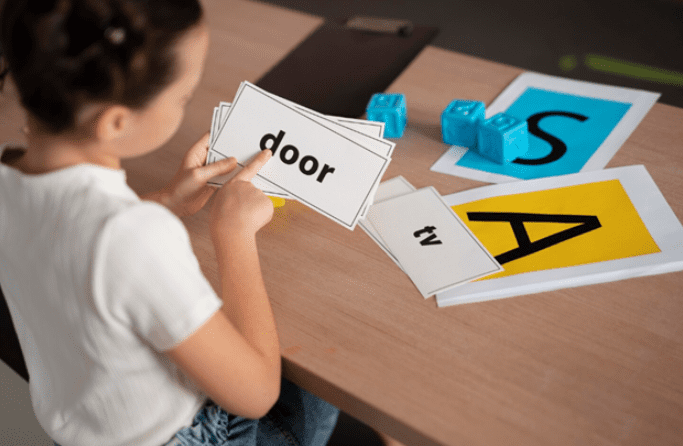
The Defense Language Institute has unveiled practical strategies that enhance language learning, particularly in mastering grammar and vocabulary. Students at the institute engage in interactive exercises that transform traditional methods into enjoyable experiences. By integrating context, humor, and real-life examples, participants find themselves grasping complex language rules more effectively.
Engaging Grammar Through Storytelling
Grammar becomes more accessible when it is embedded in stories. For instance, one student who struggled with past tense concepts found clarity through a simple narrative about spilling coffee in the cafeteria. The instructor’s example, “He spilled the coffee and ran to clean it up,” helped the student visualize the action, making the grammatical structure memorable. This approach emphasizes that context can significantly enhance understanding.
Reading short articles or listening to engaging dialogues allows learners to summarize the content in their own words, reinforcing their grasp on grammar rules. Such techniques not only aid retention but also make the learning process more interactive and enjoyable.
Strategies for Vocabulary Retention
Learning new vocabulary often feels daunting, but certain strategies can help. Grouping words by themes, such as food or daily activities, can create associations that enhance memory. One student, for example, frequently confused the words “march” and “machete.” By imagining a scene where “the soldier marched holding a machete,” the student was able to solidify the terms in their mind through humor and context.
Furthermore, integrating new vocabulary into various exercises—listening, reading, and writing—creates a comprehensive learning experience. This method not only aids in retention but also makes the vocabulary feel relevant and applicable.
Active Listening and Comprehension Skills
Listening is an active process that requires focused attention. Students are encouraged to identify keywords rather than trying to catch every word spoken. For instance, a student misheard “duct” as “duck” in a recording. This humorous mistake prompted them to concentrate more intently during subsequent listening exercises. Active listening fosters deeper comprehension and encourages learners to engage with the material meaningfully.
Reading comprehension can also be enhanced by questioning. By asking “who, what, where, why” while reading, students can summarize paragraphs in their own words, making confusing sentences clearer. One student annotated a memo, noting “Lunch, not duty hours,” which highlighted the importance of clarity in communication.
Practical Grammar Exercises
Grammar practice is most effective when it is relevant and story-based. Writing mini-dialogues and reading them aloud allows students to see grammar in action. Peer feedback during sentence swapping can also solidify understanding. Keeping a journal about daily routines can make grammar practice feel less like a chore. For example, when one student wrote, “Yesterday I goed to the cafeteria,” the class shared a laugh, corrected the mistake, and the rule became memorable.
Combining skills—grammar, vocabulary, listening, and reading comprehension—creates a more holistic approach to language learning. Students can listen to a story while following a transcript, write sentences using new vocabulary, and discuss the content with classmates. This method transforms grammar from a set of rules into a practical tool for communication.
Celebrating Progress and Building Confidence
Language learning is a journey that requires time and patience. Celebrating small milestones, such as using a new verb tense correctly or recognizing a word in listening exercises, can lead to greater confidence. An instructor recounted a story of a student who progressed from hardly understanding a 30-second audio clip to narrating it fluently. Such incremental improvements highlight the importance of acknowledging achievements in the learning process.
Consistency is key; short, regular practice sessions are often more effective than cramming. While exercises such as those found in the Alcpt program are beneficial, the ultimate goal is to develop lasting habits. Reviewing mistakes rather than overlooking them fosters growth, ensuring that grammar and vocabulary gradually become integral parts of everyday communication.
The Defense Language Institute’s insights reveal that language learning, while often chaotic and unpredictable, can be made enjoyable through engaging techniques. Incorporating real-life context, celebrating small victories, and maintaining a sense of humor are essential components of successful language acquisition. Every laugh, misstep, and moment of clarity contributes to a more human and relatable learning experience.











Revolutionary Photonic Ski-Jump Could Miniaturize LiDAR Systems

Couples Detox from Plastics in New Netflix Doc: Can It Boost Fertility?

Aventon Launches Affordable Full-Suspension Electric Mountain Bike

Discover Eight Must-Try Restaurants This Spring Season

UC Irvine Team Unveils Innovative Ion Pump for Water Treatment

One-Third of Americans Trim Daily Expenses for Healthcare Needs

Apple Secures First Oscar in Three Years with F1: The Movie

Fourth Graders Celebrate St. Patrick’s Day with Creative Weather Drawings

Kim Kardashian Dazzles at Vanity Fair Oscars Party 2026

Nostradamus’ 2026 Predictions: Star Death and Dark Events Loom

Breakthroughs and Challenges Await Science in 2026

Electric Moto Influencer Surronster Arrested in Tijuana

OpenAI to Implement Age Verification for ChatGPT by December 2025

Discover the Top 10 Calorie Counting Apps of 2025

Recovering a Suspended TikTok Account: A Step-by-Step Guide

Bella Hadid Shares Health Update After Treatment for Lyme Disease

Backpack Drives Equip Students with Supplies for New School Year

Analysts Project Stronger Growth for Apple’s iPhone 17 Lineup
-
 Science8 months ago
Nostradamus’ 2026 Predictions: Star Death and Dark Events Loom
-
 Science8 months ago
Breakthroughs and Challenges Await Science in 2026
-
 Technology11 months ago
Electric Moto Influencer Surronster Arrested in Tijuana
-
 Technology9 months ago
OpenAI to Implement Age Verification for ChatGPT by December 2025
-
 Technology1 year ago
Discover the Top 10 Calorie Counting Apps of 2025
-
 Technology1 year ago
Recovering a Suspended TikTok Account: A Step-by-Step Guide
-
 Health11 months ago
Bella Hadid Shares Health Update After Treatment for Lyme Disease
-
 Education1 year ago
Backpack Drives Equip Students with Supplies for New School Year
-
 Health12 months ago
Analysts Project Stronger Growth for Apple’s iPhone 17 Lineup
-

 Health12 months ago
Japanese Study Finds Rose Oil Can Increase Brain Gray Matter
-

 Technology8 months ago
Top 10 Penny Stocks to Watch in 2026 for Strong Returns
-

 Science10 months ago
Starship V3 Set for 2026 Launch After Successful Final Test of Version 2