
Top Stories
Mini PCs Revolutionize Home Labs, Outperforming Enterprise Servers

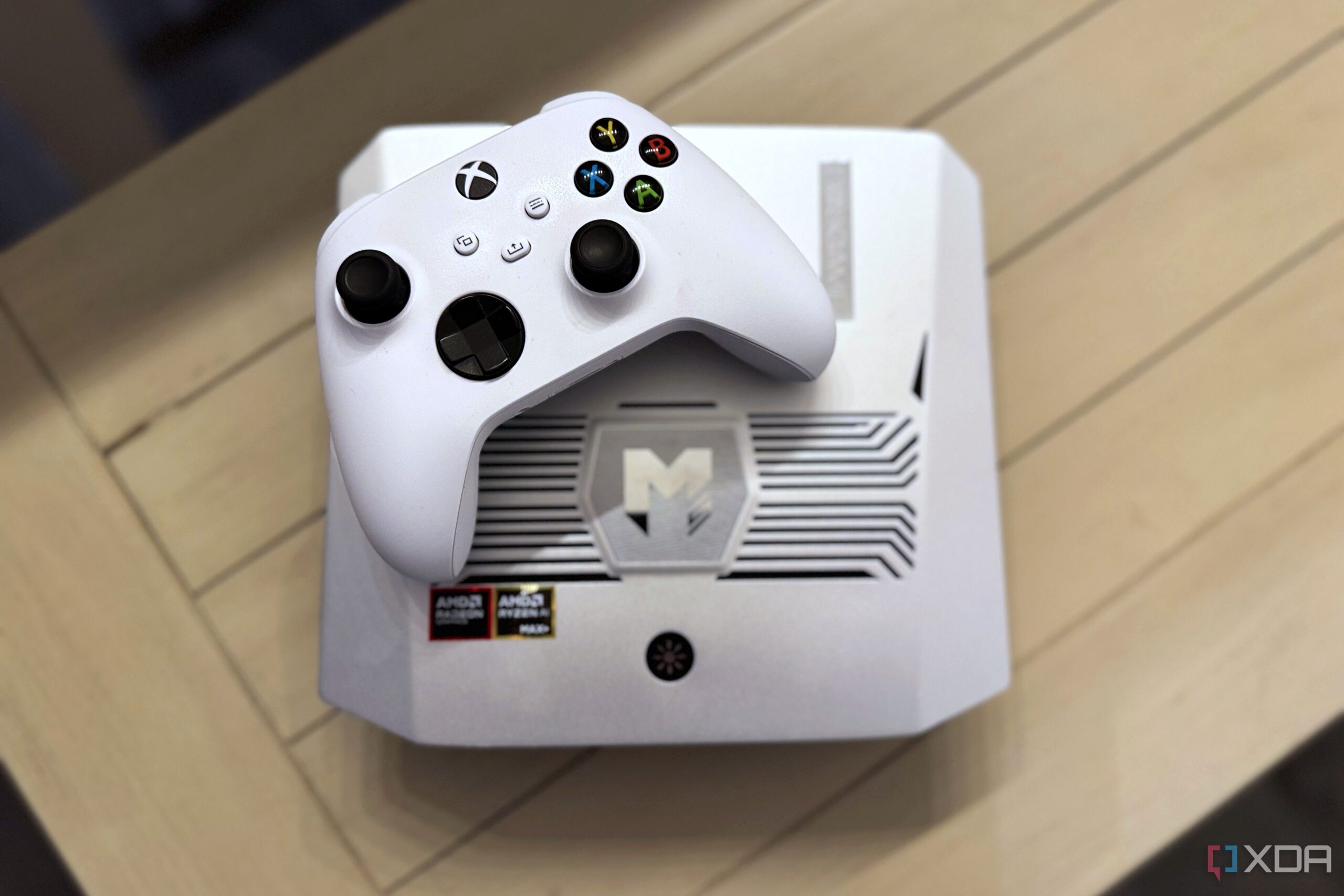
A shift in technology preferences has led to mini PCs outperforming traditional enterprise servers in home laboratory settings. This transition reflects a growing trend among tech enthusiasts who seek quieter, more energy-efficient solutions without compromising performance.
The need for a more effective home lab solution became apparent to many users who had previously relied on ex-enterprise servers. These larger machines, often equipped with dual-CPU motherboards and ample RAM slots, are notorious for their noisy fans and high power consumption. The author’s experience highlighted the drawbacks of using an ex-enterprise Xeon server, which, despite its initial appeal due to affordability, proved cumbersome due to its audible operation and energy inefficiency.
Enterprise servers typically generate excessive noise and require significant electricity to run continuously. The decision to retire such a server was driven by the realization that a quieter and more compact solution could meet the same computing needs. The solution emerged in the form of the Strix Halo mini PC, which boasts 16 cores, 32 threads, and 128GB of unified memory, enabling efficient performance for various applications.
The Strix Halo also offers advanced features such as Wi-Fi 7 and 5 GbE networking, all while maintaining a small footprint. At a purchase price of $2,000, this mini PC provides a significant performance upgrade over the previous server setup. The author noted that it was purchased for $1,600 before market fluctuations drove up prices.
In addition to computing power, the home lab required efficient storage solutions. The author turned to the Beelink ME mini PC, which utilizes an Intel N150 processor, providing six M.2 slots for storage. Although the N150 has a limited number of PCIe lanes, it effectively supports six NVMe drives configured in ZFS RAIDZ2, saturating the available 2.5GbE network bandwidth.
The Beelink ME serves solely as a storage unit, with a 64GB eMMC chip dedicated to hosting. This configuration allows seamless integration with the Proxmox host, where all services are managed, ensuring that storage and computing tasks run efficiently. Backups are conducted to an older Synology NAS, providing an additional layer of data security.
Looking ahead, the author plans to expand their home lab by acquiring multiple identical mini PCs to create a cluster. This would facilitate experimentation with technologies such as Ceph and potentially lead to a miniature data center setup.
The transition from traditional enterprise servers to mini PCs marks a significant shift in home lab computing, allowing users to enjoy enhanced performance while minimizing noise and energy consumption. As technology continues to advance, it is clear that mini PCs are becoming increasingly viable options for both hobbyists and professionals alike.



Revolutionary Photonic Ski-Jump Could Miniaturize LiDAR Systems

Couples Detox from Plastics in New Netflix Doc: Can It Boost Fertility?

Aventon Launches Affordable Full-Suspension Electric Mountain Bike

Discover Eight Must-Try Restaurants This Spring Season

UC Irvine Team Unveils Innovative Ion Pump for Water Treatment

One-Third of Americans Trim Daily Expenses for Healthcare Needs

Apple Secures First Oscar in Three Years with F1: The Movie

Fourth Graders Celebrate St. Patrick’s Day with Creative Weather Drawings

Kim Kardashian Dazzles at Vanity Fair Oscars Party 2026

Nostradamus’ 2026 Predictions: Star Death and Dark Events Loom

Breakthroughs and Challenges Await Science in 2026

OpenAI to Implement Age Verification for ChatGPT by December 2025

Electric Moto Influencer Surronster Arrested in Tijuana

Discover the Top 10 Calorie Counting Apps of 2025

Bella Hadid Shares Health Update After Treatment for Lyme Disease

Analysts Project Stronger Growth for Apple’s iPhone 17 Lineup

Top 10 Penny Stocks to Watch in 2026 for Strong Returns

Japanese Study Finds Rose Oil Can Increase Brain Gray Matter
-
 Science3 months ago
Nostradamus’ 2026 Predictions: Star Death and Dark Events Loom
-
 Science3 months ago
Breakthroughs and Challenges Await Science in 2026
-
 Technology4 months ago
OpenAI to Implement Age Verification for ChatGPT by December 2025
-
 Technology6 months ago
Electric Moto Influencer Surronster Arrested in Tijuana
-
 Technology8 months ago
Discover the Top 10 Calorie Counting Apps of 2025
-
 Health6 months ago
Bella Hadid Shares Health Update After Treatment for Lyme Disease
-
 Health7 months ago
Analysts Project Stronger Growth for Apple’s iPhone 17 Lineup
-
 Technology3 months ago
Top 10 Penny Stocks to Watch in 2026 for Strong Returns
-
 Health7 months ago
Japanese Study Finds Rose Oil Can Increase Brain Gray Matter
-

 Science5 months ago
Starship V3 Set for 2026 Launch After Successful Final Test of Version 2
-

 Technology4 weeks ago
Nvidia GTC 2026: Major Announcements Expected for AI and Hardware
-

 Education7 months ago
Harvard Secures Court Victory Over Federal Funding Cuts