
Top Stories
Dakota Lakes Research Farm Revolutionizes Cattle Management with Virtual Fencing

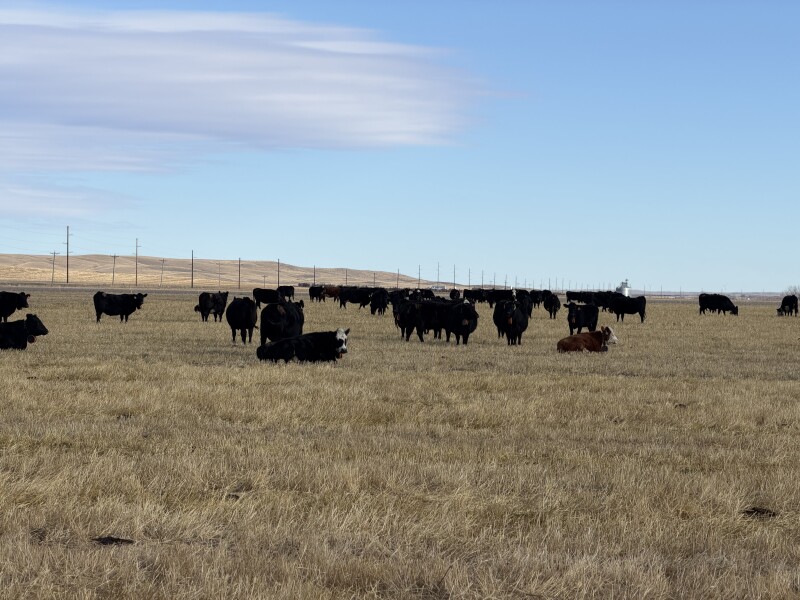
The Dakota Lakes Research Farm in Pierre, South Dakota, has embraced innovative technology to enhance cattle management through the use of virtual fencing. By equipping approximately 75 cows with electronic collars, the farm has streamlined the process of keeping livestock within designated areas, minimizing the need for traditional fencing.
Cody Zilverberg, a consulting scientist at the farm, explains that while a physical perimeter fence remains in place, virtual paddocks can be easily configured using computer software. This allows for flexible adjustments to grazing areas, catering to the dynamic needs of cattle. The electronic collars utilize GPS technology to monitor the cows’ locations relative to these virtual boundaries.
When cattle approach the designated limits, the collars emit audio warnings. Should the animals not turn away, they receive an electric shock similar to that of an electric fence. Zilverberg notes that the cattle quickly adapt to the system, typically learning to respond to audio cues within a couple of days. Initial data shows a 50% response rate on the first day, which improves to around 95% within a few months, indicating that the cows are effectively learning their boundaries.
The collars also provide detailed analytics on cattle behavior, including the frequency of audio signals and shocks received. Zilverberg observes variation in cattle behavior, with some animals frequently testing the boundaries while others remain more cautious, avoiding close proximity to the virtual paddocks.
As the farm collects data, Zilverberg acknowledges its current utility lies primarily in curiosity. However, he sees potential for future applications, such as identifying areas of pasture that are used more heavily than others. This insight could guide grazing practices and pasture management.
In addition to boundary management, the collars could facilitate the recovery of lost cattle or assist in rounding them up in expansive pastures. Zilverberg emphasizes the time-saving benefits, particularly in preventing oversight of animals that might be hidden from view.
Virtual fencing significantly eases the workload for ranchers, particularly those implementing intensive grazing strategies. “This can save a lot of time in building and dismantling fences,” Zilverberg asserts, although he advises maintaining a physical fence as a precautionary measure.
The Dakota Lakes Research Farm employs Gallagher eShepherd collars, which operate entirely on cell service. These collars retail for around $250 each, and the farm incurs a monthly fee of $2 per cow for the service. While the costs may seem high, Zilverberg compares them favorably to the extensive expenses associated with traditional fencing, noting that constructing a mile of fence could exceed $15,000.
Despite the advantages, the farm has encountered challenges with the collars. Zilverberg reported the death of one cow due to a collar malfunction, where it failed to break when snagged. Additionally, some cows developed sores from improperly fitted collars, prompting adjustments to ensure a better fit.
Looking ahead, Zilverberg predicts that virtual fencing will become increasingly prevalent in livestock operations. “I think we will see a lot of change,” he states, noting that advancements in technology and design are on the horizon. As more ranchers adopt this innovative approach, the landscape of cattle management may soon look very different.












Revolutionary Photonic Ski-Jump Could Miniaturize LiDAR Systems

Couples Detox from Plastics in New Netflix Doc: Can It Boost Fertility?

Aventon Launches Affordable Full-Suspension Electric Mountain Bike

Discover Eight Must-Try Restaurants This Spring Season

UC Irvine Team Unveils Innovative Ion Pump for Water Treatment

One-Third of Americans Trim Daily Expenses for Healthcare Needs

Apple Secures First Oscar in Three Years with F1: The Movie

Fourth Graders Celebrate St. Patrick’s Day with Creative Weather Drawings

Kim Kardashian Dazzles at Vanity Fair Oscars Party 2026

Nostradamus’ 2026 Predictions: Star Death and Dark Events Loom

Breakthroughs and Challenges Await Science in 2026

Electric Moto Influencer Surronster Arrested in Tijuana

OpenAI to Implement Age Verification for ChatGPT by December 2025

Discover the Top 10 Calorie Counting Apps of 2025

Recovering a Suspended TikTok Account: A Step-by-Step Guide

Bella Hadid Shares Health Update After Treatment for Lyme Disease

Backpack Drives Equip Students with Supplies for New School Year

Analysts Project Stronger Growth for Apple’s iPhone 17 Lineup
-
 Science8 months ago
Nostradamus’ 2026 Predictions: Star Death and Dark Events Loom
-
 Science8 months ago
Breakthroughs and Challenges Await Science in 2026
-
 Technology11 months ago
Electric Moto Influencer Surronster Arrested in Tijuana
-
 Technology9 months ago
OpenAI to Implement Age Verification for ChatGPT by December 2025
-
 Technology1 year ago
Discover the Top 10 Calorie Counting Apps of 2025
-
 Technology1 year ago
Recovering a Suspended TikTok Account: A Step-by-Step Guide
-
 Health11 months ago
Bella Hadid Shares Health Update After Treatment for Lyme Disease
-
 Education1 year ago
Backpack Drives Equip Students with Supplies for New School Year
-
 Health11 months ago
Analysts Project Stronger Growth for Apple’s iPhone 17 Lineup
-

 Health12 months ago
Japanese Study Finds Rose Oil Can Increase Brain Gray Matter
-

 Technology8 months ago
Top 10 Penny Stocks to Watch in 2026 for Strong Returns
-

 Science10 months ago
Starship V3 Set for 2026 Launch After Successful Final Test of Version 2