
Technology
US Judge Withdraws Decision Amid Errors Linked to AI Tools

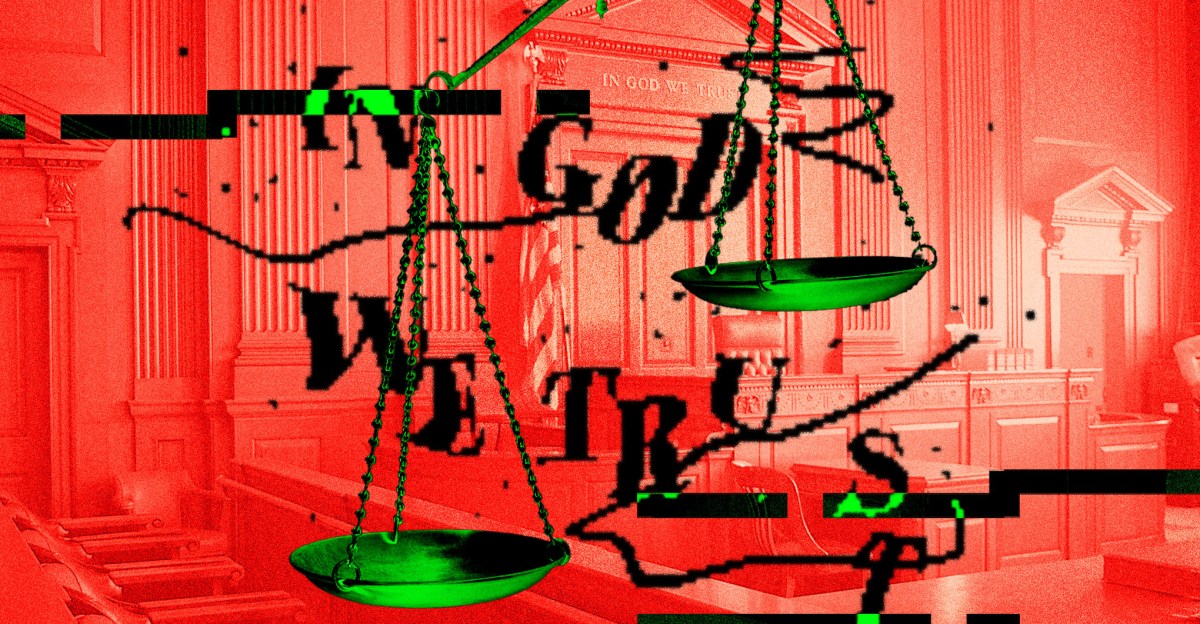
A U.S. district court judge has retracted a decision in a biopharma securities case after legal representatives highlighted significant inaccuracies, including fake quotes and incorrect case references. This incident recalls troubling patterns associated with the use of artificial intelligence in legal research. The judge, Julien Xavier Neals of New Jersey, initially denied a dismissal request from the pharmaceutical company CorMedix, but following a letter from attorney Andrew Lichtman, he acknowledged the need for a correction.
In a communication addressed to Judge Neals, Lichtman pointed out a “series of errors” in the ruling. These included misrepresentations of the outcomes of three separate cases and “numerous instances” of fabricated quotes attributed to other legal decisions. As noted by Bloomberg Law, a new notice was added to the court docket on September 27, 2023, stating that the prior opinion was entered in error, with a promise of a “subsequent opinion and order” forthcoming.
Implications of AI Usage in Legal Decisions
While minor adjustments to court rulings—such as fixing grammatical errors—are commonplace, substantial changes like the removal of entire paragraphs or redactions are relatively rare. The specific errors in this case evoke concerns about the reliability of AI tools, which some legal professionals have increasingly begun to utilize for research purposes. Although there is no definitive proof that AI was used in Judge Neals’ decision-making process, the citation mistakes exhibit the characteristics often seen in “AI hallucinations,” a term used to describe the generation of inaccurate or fictitious information by AI systems.
This incident is not isolated. Earlier this month, attorneys representing Mike Lindell, founder of MyPillow, faced fines for incorporating AI-generated citations into their legal arguments. Similarly, the AI company Anthropic recently attributed an “embarrassing” erroneous citation in its legal dispute with music publishers to its own Claude AI chatbot. These examples underline the ongoing challenges and limitations of AI in the legal field, suggesting that while these technologies may assist in research, they are not poised to replace human lawyers anytime soon.
As the legal community grapples with the integration of AI tools, the need for vigilance in verifying information remains paramount. The reliance on AI in legal contexts raises questions about accountability and the standards of evidence required in court decisions. As noted by experts, ensuring the integrity of legal proceedings is essential, particularly as reliance on technology continues to grow.
The developments in Judge Neals’ case serve as a reminder of the complexities surrounding the adoption of AI in sensitive areas such as law, where accuracy and credibility are critical. As this story unfolds, it will likely prompt further discussions on the role of technology in legal practices and the safeguards necessary to maintain high standards.












Revolutionary Photonic Ski-Jump Could Miniaturize LiDAR Systems

Couples Detox from Plastics in New Netflix Doc: Can It Boost Fertility?

Aventon Launches Affordable Full-Suspension Electric Mountain Bike

Discover Eight Must-Try Restaurants This Spring Season

UC Irvine Team Unveils Innovative Ion Pump for Water Treatment

One-Third of Americans Trim Daily Expenses for Healthcare Needs

Apple Secures First Oscar in Three Years with F1: The Movie

Fourth Graders Celebrate St. Patrick’s Day with Creative Weather Drawings

Kim Kardashian Dazzles at Vanity Fair Oscars Party 2026

Nostradamus’ 2026 Predictions: Star Death and Dark Events Loom

Breakthroughs and Challenges Await Science in 2026

Electric Moto Influencer Surronster Arrested in Tijuana

OpenAI to Implement Age Verification for ChatGPT by December 2025

Discover the Top 10 Calorie Counting Apps of 2025

Recovering a Suspended TikTok Account: A Step-by-Step Guide

Bella Hadid Shares Health Update After Treatment for Lyme Disease

Backpack Drives Equip Students with Supplies for New School Year

Analysts Project Stronger Growth for Apple’s iPhone 17 Lineup
-
 Science8 months ago
Nostradamus’ 2026 Predictions: Star Death and Dark Events Loom
-
 Science8 months ago
Breakthroughs and Challenges Await Science in 2026
-
 Technology11 months ago
Electric Moto Influencer Surronster Arrested in Tijuana
-
 Technology9 months ago
OpenAI to Implement Age Verification for ChatGPT by December 2025
-
 Technology1 year ago
Discover the Top 10 Calorie Counting Apps of 2025
-
 Technology1 year ago
Recovering a Suspended TikTok Account: A Step-by-Step Guide
-
 Health11 months ago
Bella Hadid Shares Health Update After Treatment for Lyme Disease
-
 Education1 year ago
Backpack Drives Equip Students with Supplies for New School Year
-
 Health12 months ago
Analysts Project Stronger Growth for Apple’s iPhone 17 Lineup
-

 Health12 months ago
Japanese Study Finds Rose Oil Can Increase Brain Gray Matter
-

 Technology8 months ago
Top 10 Penny Stocks to Watch in 2026 for Strong Returns
-

 Science10 months ago
Starship V3 Set for 2026 Launch After Successful Final Test of Version 2