
Technology
Scientists Secure $28.5 Million for 3D-Printed Liver Tissue Project

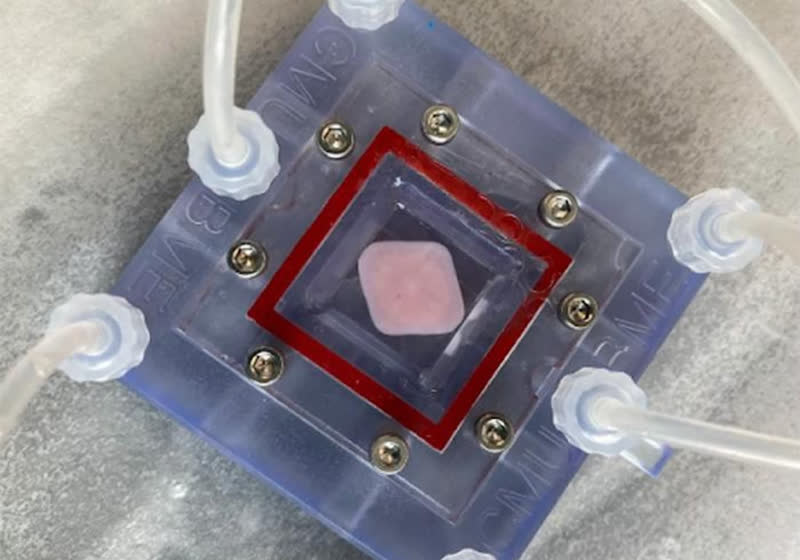
A team of scientists at [University Name] has received a significant boost in their research efforts with a grant of $28.5 million from the Advanced Research Projects Agency for Health. This funding will support the development of a transplantable 3D-printed liver patch, a potential breakthrough in the field of regenerative medicine.
The initiative, named the Liver Immunocompetent Volumetric Engineering (LIVE) project, aims to create living liver tissue capable of performing essential functions for patients suffering from liver diseases. The innovative approach could provide temporary support for individuals awaiting liver transplants, addressing a critical shortage of donor organs.
Advancements in Regenerative Medicine
Researchers are exploring the complexities of liver tissue engineering, which includes replicating the organ’s intricate structures and functions. The team plans to utilize advanced 3D printing techniques to create a biocompatible liver patch that can be integrated into the patient’s body. This could significantly enhance the quality of life for patients with liver failure, providing them with a viable option while they await suitable transplants.
According to [University Name] research lead, Dr. [Research Lead’s Name], this project represents a significant step forward in regenerative medicine. “Our goal is to develop a solution that not only saves lives but also restores normal liver function for those in desperate need,” Dr. [Research Lead’s Name] stated.
The funding from the Advanced Research Projects Agency for Health underscores the growing recognition of the need for innovative solutions in organ transplantation. With thousands of patients on waiting lists for liver transplants, the LIVE project could play a crucial role in alleviating this pressing healthcare challenge.
Future Implications and Community Impact
If successful, the 3D-printed liver patch could transform the landscape of liver transplantation and regenerative therapies. The implications extend beyond individual patients; this research could pave the way for similar advancements in other organ systems, ultimately improving healthcare outcomes on a broader scale.
The project has garnered attention not only for its scientific merit but also for its potential economic impact. By advancing tissue engineering technologies, [University Name] and its partners could stimulate job creation and foster a new sector within the medical technology industry.
As they embark on this ambitious journey, the researchers emphasize the importance of collaboration with medical professionals and regulatory bodies to ensure that their innovations meet the highest standards of safety and efficacy. The commitment to improving patient outcomes remains at the forefront of their mission.
In summary, the LIVE project represents a significant advancement in the quest to develop functional human tissues. With the support of substantial funding, [University Name] scientists are poised to make impactful contributions to liver health and transplantation, a breakthrough that could ultimately save countless lives.








Revolutionary Photonic Ski-Jump Could Miniaturize LiDAR Systems

Couples Detox from Plastics in New Netflix Doc: Can It Boost Fertility?

Aventon Launches Affordable Full-Suspension Electric Mountain Bike

Discover Eight Must-Try Restaurants This Spring Season

UC Irvine Team Unveils Innovative Ion Pump for Water Treatment

One-Third of Americans Trim Daily Expenses for Healthcare Needs

Apple Secures First Oscar in Three Years with F1: The Movie

Fourth Graders Celebrate St. Patrick’s Day with Creative Weather Drawings

Kim Kardashian Dazzles at Vanity Fair Oscars Party 2026

Nostradamus’ 2026 Predictions: Star Death and Dark Events Loom

Breakthroughs and Challenges Await Science in 2026

Electric Moto Influencer Surronster Arrested in Tijuana

OpenAI to Implement Age Verification for ChatGPT by December 2025

Discover the Top 10 Calorie Counting Apps of 2025

Recovering a Suspended TikTok Account: A Step-by-Step Guide

Bella Hadid Shares Health Update After Treatment for Lyme Disease

Backpack Drives Equip Students with Supplies for New School Year

Analysts Project Stronger Growth for Apple’s iPhone 17 Lineup
-
 Science8 months ago
Nostradamus’ 2026 Predictions: Star Death and Dark Events Loom
-
 Science8 months ago
Breakthroughs and Challenges Await Science in 2026
-
 Technology11 months ago
Electric Moto Influencer Surronster Arrested in Tijuana
-
 Technology9 months ago
OpenAI to Implement Age Verification for ChatGPT by December 2025
-
 Technology1 year ago
Discover the Top 10 Calorie Counting Apps of 2025
-
 Technology1 year ago
Recovering a Suspended TikTok Account: A Step-by-Step Guide
-
 Health11 months ago
Bella Hadid Shares Health Update After Treatment for Lyme Disease
-
 Education1 year ago
Backpack Drives Equip Students with Supplies for New School Year
-
 Health12 months ago
Analysts Project Stronger Growth for Apple’s iPhone 17 Lineup
-

 Health12 months ago
Japanese Study Finds Rose Oil Can Increase Brain Gray Matter
-

 Technology8 months ago
Top 10 Penny Stocks to Watch in 2026 for Strong Returns
-

 Science10 months ago
Starship V3 Set for 2026 Launch After Successful Final Test of Version 2