
Technology
Satya Nadella Embraces Blogging to Discuss AI’s Future

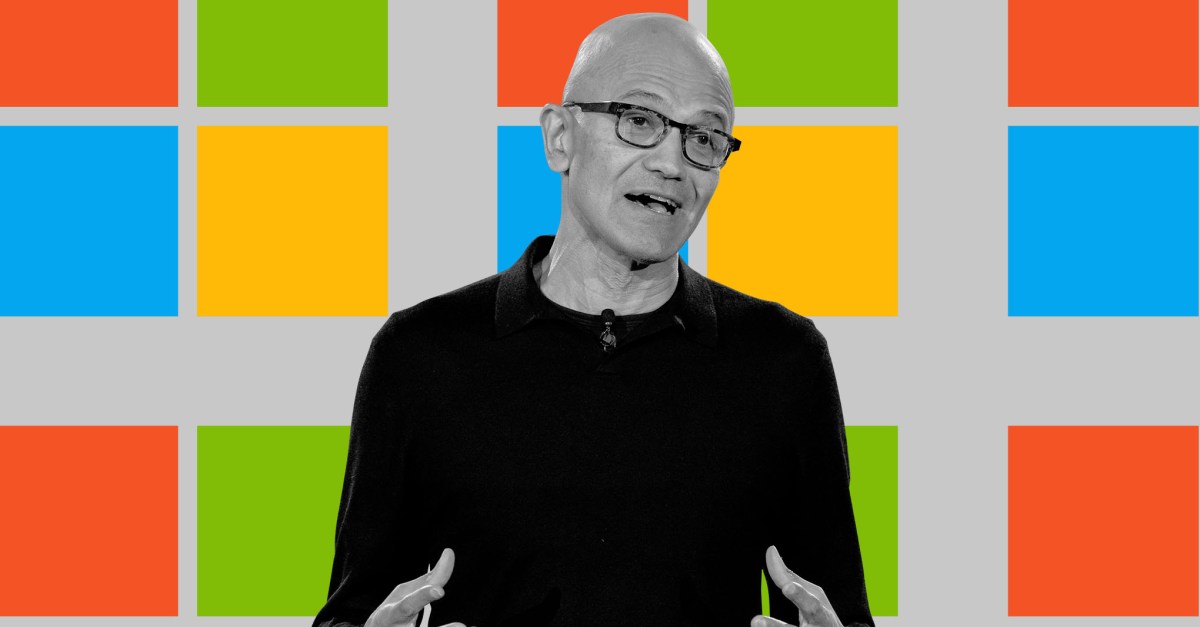
Microsoft’s Chief Executive Officer, Satya Nadella, has recently embarked on a new venture into blogging, reflecting on the future of artificial intelligence (AI) and the evolution of technology at Microsoft. Following the appointment of a new CEO to oversee the company’s major divisions, Nadella now has the opportunity to share his insights on AI’s development and its implications for society.
In his inaugural blog post in the “sn scratchpad,” Nadella emphasizes the need to move past the simplistic arguments surrounding AI’s effectiveness, which he refers to as “slop vs sophistication.” He argues for a new framework that acknowledges the role of AI as a “cognitive amplifier” for human capabilities. This concept builds upon the analogy used by Steve Jobs in the 1990s, who likened computers to “bicycles for the mind.” According to Nadella, the focus should shift to how people utilize these AI tools to enhance their creativity and productivity.
Nadella’s vision centers on a future where AI agents, such as Microsoft’s Copilot, become indispensable tools for content creation, information retrieval, and knowledge application. While he recognizes the potential benefits of integrating AI into everyday tasks, he also acknowledges the current limitations of these systems. “Barely any of what Copilot promises to do actually works,” he notes, highlighting the gap between vision and reality in AI deployment.
The discussion around AI’s societal impact is particularly pressing as the industry grapples with the implications of advanced models. Nadella has been actively involved in the competitive landscape alongside OpenAI, Google, and Anthropic, but he emphasizes that the focus should not solely be on the technology itself. Instead, he advocates for addressing how AI is applied in real-world scenarios. “We will evolve from models to systems when it comes to deploying AI for real-world impact,” he states.
As Nadella outlines the challenges ahead, he calls for consensus on the socio-technical issues that arise from AI integration. He insists that decisions regarding energy, computation, and talent allocation will significantly influence the technology’s impact on society. “The choices we make about where we apply our scarce energy, compute, and talent resources will matter,” he asserts.
Nadella believes that the year 2026 will be pivotal for AI development, driven by a clearer understanding of technological direction and its potential effects on the global landscape. While he acknowledges that 2025 also holds significance, he expresses optimism about the industry’s ability to navigate the complexities of AI.
Looking forward, Nadella intends to share more of his personal insights on advancements in technology and their real-world implications through future blog posts. His commitment to transparency and dialogue reflects a broader trend in the tech industry, where leaders increasingly engage with the public on critical issues surrounding innovation and its consequences.
As AI continues to evolve, the focus on its practical applications and societal effects will remain crucial. Nadella’s foray into blogging not only marks a new chapter in his leadership but also invites broader conversations about the future of technology in our daily lives.











Revolutionary Photonic Ski-Jump Could Miniaturize LiDAR Systems

Couples Detox from Plastics in New Netflix Doc: Can It Boost Fertility?

Aventon Launches Affordable Full-Suspension Electric Mountain Bike

Discover Eight Must-Try Restaurants This Spring Season

UC Irvine Team Unveils Innovative Ion Pump for Water Treatment

One-Third of Americans Trim Daily Expenses for Healthcare Needs

Apple Secures First Oscar in Three Years with F1: The Movie

Fourth Graders Celebrate St. Patrick’s Day with Creative Weather Drawings

Kim Kardashian Dazzles at Vanity Fair Oscars Party 2026

Nostradamus’ 2026 Predictions: Star Death and Dark Events Loom

Breakthroughs and Challenges Await Science in 2026

Electric Moto Influencer Surronster Arrested in Tijuana

OpenAI to Implement Age Verification for ChatGPT by December 2025

Discover the Top 10 Calorie Counting Apps of 2025

Recovering a Suspended TikTok Account: A Step-by-Step Guide

Bella Hadid Shares Health Update After Treatment for Lyme Disease

Backpack Drives Equip Students with Supplies for New School Year

Analysts Project Stronger Growth for Apple’s iPhone 17 Lineup
-
 Science8 months ago
Nostradamus’ 2026 Predictions: Star Death and Dark Events Loom
-
 Science8 months ago
Breakthroughs and Challenges Await Science in 2026
-
 Technology11 months ago
Electric Moto Influencer Surronster Arrested in Tijuana
-
 Technology9 months ago
OpenAI to Implement Age Verification for ChatGPT by December 2025
-
 Technology1 year ago
Discover the Top 10 Calorie Counting Apps of 2025
-
 Technology1 year ago
Recovering a Suspended TikTok Account: A Step-by-Step Guide
-
 Health11 months ago
Bella Hadid Shares Health Update After Treatment for Lyme Disease
-
 Education1 year ago
Backpack Drives Equip Students with Supplies for New School Year
-
 Health11 months ago
Analysts Project Stronger Growth for Apple’s iPhone 17 Lineup
-

 Health12 months ago
Japanese Study Finds Rose Oil Can Increase Brain Gray Matter
-

 Technology8 months ago
Top 10 Penny Stocks to Watch in 2026 for Strong Returns
-

 Science10 months ago
Starship V3 Set for 2026 Launch After Successful Final Test of Version 2