
Technology
San Antonio TikTok User Highlights ICE Activity Amid Legal Debate

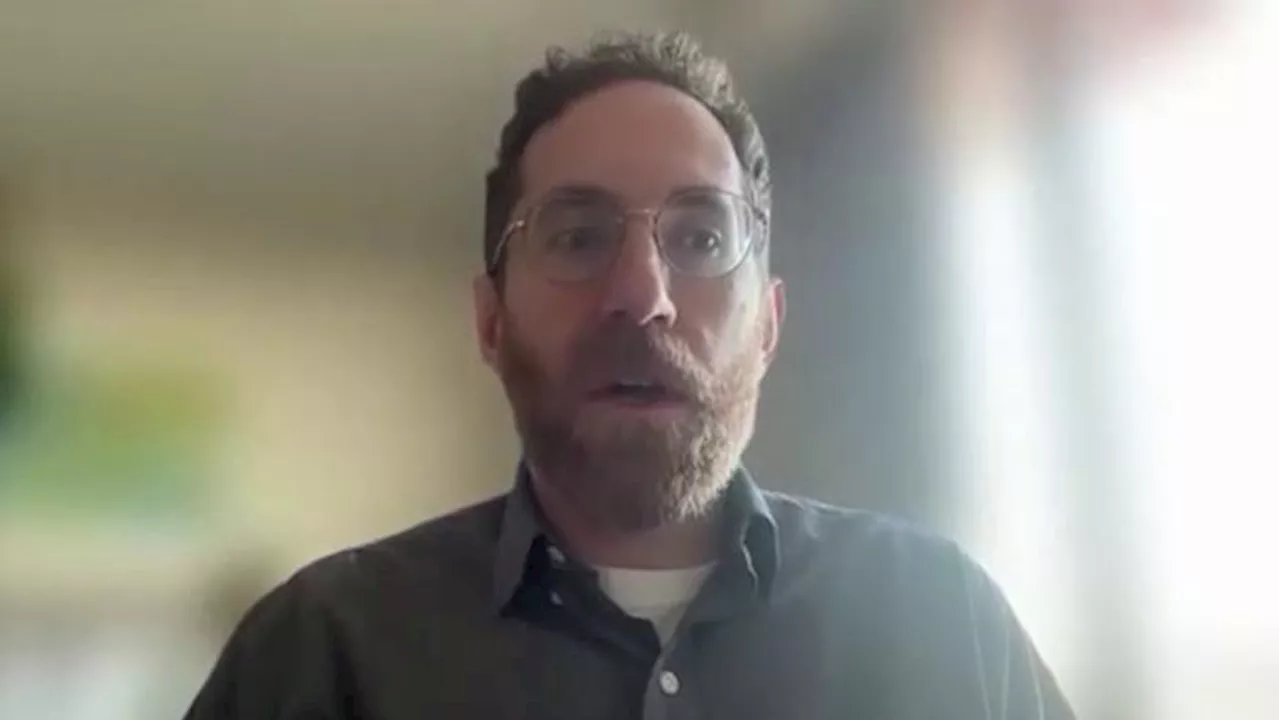
A TikTok user in San Antonio has taken to social media to inform the community about the locations of U.S. Immigration and Customs Enforcement (ICE) activities. The user, known as Brown, asserts that he aims to assist his community by sharing these updates, which he believes are crucial for public awareness.
On January 15, 2024, Brown posted a video highlighting potential dangers associated with ICE operations, stating, “Driving can get very dangerous with ICE.” He emphasized the importance of reporting sightings in busy areas, hoping to leverage his platform to “give something back.” His posts have garnered significant attention, with many viewers responding with tips and images of ICE activity.
According to a spokesperson from the Department of Homeland Security, ICE officers have faced a staggering 1,300% increase in assaults, attributing this rise to inflammatory rhetoric from some politicians and activists. The spokesperson noted, “ICE does NOT arrest or deport U.S. citizens. If a U.S. citizen is arrested, it is because they have obstructed or assaulted law enforcement.”
Legal Perspectives on Sharing ICE Information
To better understand the legality of Brown’s actions, KSAT consulted **Marlyn Moreno**, an immigration attorney. She clarified that individuals have the right to record and share information about public ICE operations under the First Amendment. “It is legal to share information about where public ICE operations are taking place,” Moreno stated.
However, she stressed the importance of respecting boundaries. It is illegal to assault, resist, or interfere with federal officers during their duties. “So long as you’re keeping your safe distance and you are not interfering with law enforcement, you will be fine,” she explained. Moreno also mentioned that while it is permissible to record ICE officers and ask them questions, sharing their personal information or addresses is not allowed.
Moreno’s guidance highlights the balance between community engagement and legal limitations. “In the United States, we are not meant to have secret police or secret law enforcement,” she noted. Moreover, she encouraged individuals to record any interactions with immigration officers for their protection but warned against impeding ongoing investigations.
The community response to Brown’s videos reflects a blend of support and concern. His posts have sparked a conversation about the role of social media in immigration matters and the potential risks involved in sharing such information. As the situation develops, it remains to be seen how this dialogue around ICE operations will evolve, particularly in light of the ongoing legal and social implications.
The story surrounding Brown’s efforts to inform the public about ICE activity illustrates the complex interplay between community advocacy, legal rights, and the responsibilities that come with sharing sensitive information. As discussions continue, the impact of social media on public awareness and immigration enforcement will undoubtedly remain a focal point in San Antonio and beyond.












Revolutionary Photonic Ski-Jump Could Miniaturize LiDAR Systems

Couples Detox from Plastics in New Netflix Doc: Can It Boost Fertility?

Aventon Launches Affordable Full-Suspension Electric Mountain Bike

Discover Eight Must-Try Restaurants This Spring Season

UC Irvine Team Unveils Innovative Ion Pump for Water Treatment

One-Third of Americans Trim Daily Expenses for Healthcare Needs

Apple Secures First Oscar in Three Years with F1: The Movie

Fourth Graders Celebrate St. Patrick’s Day with Creative Weather Drawings

Kim Kardashian Dazzles at Vanity Fair Oscars Party 2026

Nostradamus’ 2026 Predictions: Star Death and Dark Events Loom

Breakthroughs and Challenges Await Science in 2026

Electric Moto Influencer Surronster Arrested in Tijuana

OpenAI to Implement Age Verification for ChatGPT by December 2025

Discover the Top 10 Calorie Counting Apps of 2025

Bella Hadid Shares Health Update After Treatment for Lyme Disease

Analysts Project Stronger Growth for Apple’s iPhone 17 Lineup

Japanese Study Finds Rose Oil Can Increase Brain Gray Matter

Top 10 Penny Stocks to Watch in 2026 for Strong Returns
-
 Science3 months ago
Nostradamus’ 2026 Predictions: Star Death and Dark Events Loom
-
 Science4 months ago
Breakthroughs and Challenges Await Science in 2026
-
 Technology7 months ago
Electric Moto Influencer Surronster Arrested in Tijuana
-
 Technology4 months ago
OpenAI to Implement Age Verification for ChatGPT by December 2025
-
 Technology9 months ago
Discover the Top 10 Calorie Counting Apps of 2025
-
 Health7 months ago
Bella Hadid Shares Health Update After Treatment for Lyme Disease
-
 Health7 months ago
Analysts Project Stronger Growth for Apple’s iPhone 17 Lineup
-
 Health7 months ago
Japanese Study Finds Rose Oil Can Increase Brain Gray Matter
-
 Technology4 months ago
Top 10 Penny Stocks to Watch in 2026 for Strong Returns
-

 Science6 months ago
Starship V3 Set for 2026 Launch After Successful Final Test of Version 2
-

 Technology1 month ago
Nvidia GTC 2026: Major Announcements Expected for AI and Hardware
-

 Education7 months ago
Harvard Secures Court Victory Over Federal Funding Cuts