
Health
Local Nonprofit Aims to Close Life Expectancy Gap in San Antonio

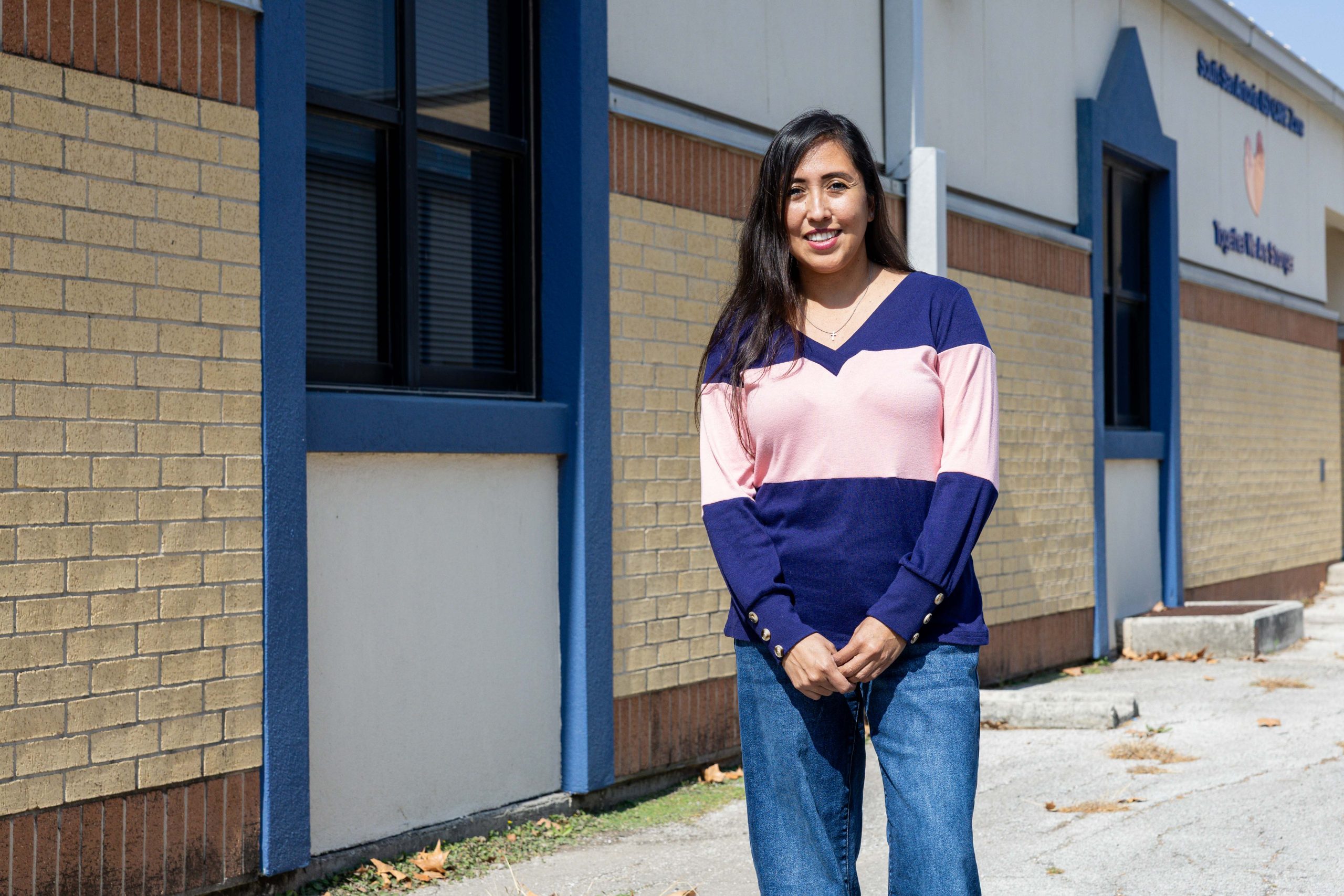
The Center for Health Empowerment in South Texas (CHEST), a newly established nonprofit, is dedicated to addressing health disparities in San Antonio. Founded at the end of 2024, CHEST aims to reduce the significant life expectancy gap between the city’s northern and southern regions. Under the leadership of former Councilwoman Adriana Rocha Garcia, who became CEO in July, the organization has set an ambitious goal to improve health outcomes for residents in disadvantaged areas.
According to the 2022 Bexar County Community Health Needs Assessment, residents in affluent neighborhoods can expect a life span in the 80s, while those living in less privileged ZIP codes experience markedly shorter life spans. The disparities are particularly pronounced in the eastern, western, and southern parts of Bexar County. Rocha Garcia emphasized the urgency of the situation, stating, “Our moon-shot goal is closing the life expectancy gap.”
The nonprofit’s strategy consists of three main components. Firstly, it seeks to foster an economic environment that attracts healthcare providers to the South Side. Secondly, CHEST plans to establish career pipelines that connect local schools with health care fields. Finally, the organization will collaborate with other nonprofits to address the social determinants of health that contribute to these inequities.
The impact of these health disparities has been evident to local health professionals for years. Dr. Lyssa Ochoa, a vascular surgeon who opened the San Antonio Vascular and Endovascular Clinic (SAVE) in 2018, noted alarming outcomes among her patients. “I was seeing patients as young as their 30s with uncontrolled Type 2 diabetes suffering from chronic conditions,” Ochoa said. This trend became even more pronounced during the COVID-19 pandemic, which highlighted existing inequities in health care access.
Rocha Garcia, during her tenure as a council member, worked diligently to distribute COVID-19 vaccines to vulnerable populations in her district. The pandemic exacerbated health risks for these residents, many of whom faced multiple comorbidities, including diabetes and heart disease. “There were all these comorbidities in these areas, and that’s why people were dying unfortunately at higher rates also catching COVID at higher rates,” she explained.
The closure of Texas Vista Medical Center in 2023 further limited emergency care options for residents. Ochoa observed a troubling increase in diabetes-related amputations following the hospital’s shutdown, particularly among individuals younger than 50. “I immediately noticed in the following three months after the hospital shut down that the number of diabetes-related amputations I was doing doubled, almost tripled,” she stated.
In response to these challenges, University Health, the county-owned health system, is set to open Palo Alto Hospital in the coming year. This new facility, along with the recently opened Vida health clinic, represents a significant investment in expanding health care access. Ochoa acknowledged the importance of these developments but stressed the need for preventative measures to tackle the root causes of health disparities.
Rocha Garcia’s personal experience with the pandemic underscores her commitment to improving health care access. Many of her family members contracted COVID-19, leading to hospitalizations and even fatalities. “I realized then that there really needed to be a more concentrated effort on health care,” she remarked.
CHEST began operations with an initial $10,000 in seed funding provided by Ochoa and her husband, along with a temporary $300,000 grant from the city. As the organization ramps up its initiatives, it is actively seeking additional funding opportunities. Although the pilot program is focused on the South Side, plans are in place to expand services to other areas facing similar health challenges.
The nonprofit has secured a lease with South San Independent School District to operate out of a closed school building on Lovett Avenue, near Lackland Air Force Base. The vision includes creating a resource center that offers various services, such as a food pantry, clothing closet, and counseling services, alongside recreational facilities like a basketball court.
Additionally, CHEST aims to partner with local schools to encourage South Side residents to pursue careers in health care. This initiative is crucial given the ongoing shortage of health care providers and the need for culturally competent practitioners who understand the specific challenges faced by the community.
As Ochoa articulated, “We envision that we will hopefully be an influence to bring additional acute care beds to the South Side, help address access to mental health services, and tackle housing issues.” The collaborative efforts of CHEST and its partners seek to create a comprehensive response to the multifaceted health challenges facing the South Side of San Antonio.










Revolutionary Photonic Ski-Jump Could Miniaturize LiDAR Systems

Couples Detox from Plastics in New Netflix Doc: Can It Boost Fertility?

Aventon Launches Affordable Full-Suspension Electric Mountain Bike

Discover Eight Must-Try Restaurants This Spring Season

UC Irvine Team Unveils Innovative Ion Pump for Water Treatment

One-Third of Americans Trim Daily Expenses for Healthcare Needs

Apple Secures First Oscar in Three Years with F1: The Movie

Fourth Graders Celebrate St. Patrick’s Day with Creative Weather Drawings

Kim Kardashian Dazzles at Vanity Fair Oscars Party 2026

Nostradamus’ 2026 Predictions: Star Death and Dark Events Loom

Breakthroughs and Challenges Await Science in 2026

Electric Moto Influencer Surronster Arrested in Tijuana

OpenAI to Implement Age Verification for ChatGPT by December 2025

Discover the Top 10 Calorie Counting Apps of 2025

Recovering a Suspended TikTok Account: A Step-by-Step Guide

Bella Hadid Shares Health Update After Treatment for Lyme Disease

Backpack Drives Equip Students with Supplies for New School Year

Analysts Project Stronger Growth for Apple’s iPhone 17 Lineup
-
 Science7 months ago
Nostradamus’ 2026 Predictions: Star Death and Dark Events Loom
-
 Science7 months ago
Breakthroughs and Challenges Await Science in 2026
-
 Technology11 months ago
Electric Moto Influencer Surronster Arrested in Tijuana
-
 Technology8 months ago
OpenAI to Implement Age Verification for ChatGPT by December 2025
-
 Technology1 year ago
Discover the Top 10 Calorie Counting Apps of 2025
-
 Technology1 year ago
Recovering a Suspended TikTok Account: A Step-by-Step Guide
-
 Health11 months ago
Bella Hadid Shares Health Update After Treatment for Lyme Disease
-
 Education1 year ago
Backpack Drives Equip Students with Supplies for New School Year
-
 Health11 months ago
Analysts Project Stronger Growth for Apple’s iPhone 17 Lineup
-

 Technology7 months ago
Top 10 Penny Stocks to Watch in 2026 for Strong Returns
-

 Health11 months ago
Japanese Study Finds Rose Oil Can Increase Brain Gray Matter
-

 Science10 months ago
Starship V3 Set for 2026 Launch After Successful Final Test of Version 2