
Technology
Bill Gates Addresses Misinformation as a Burden for Future Generations

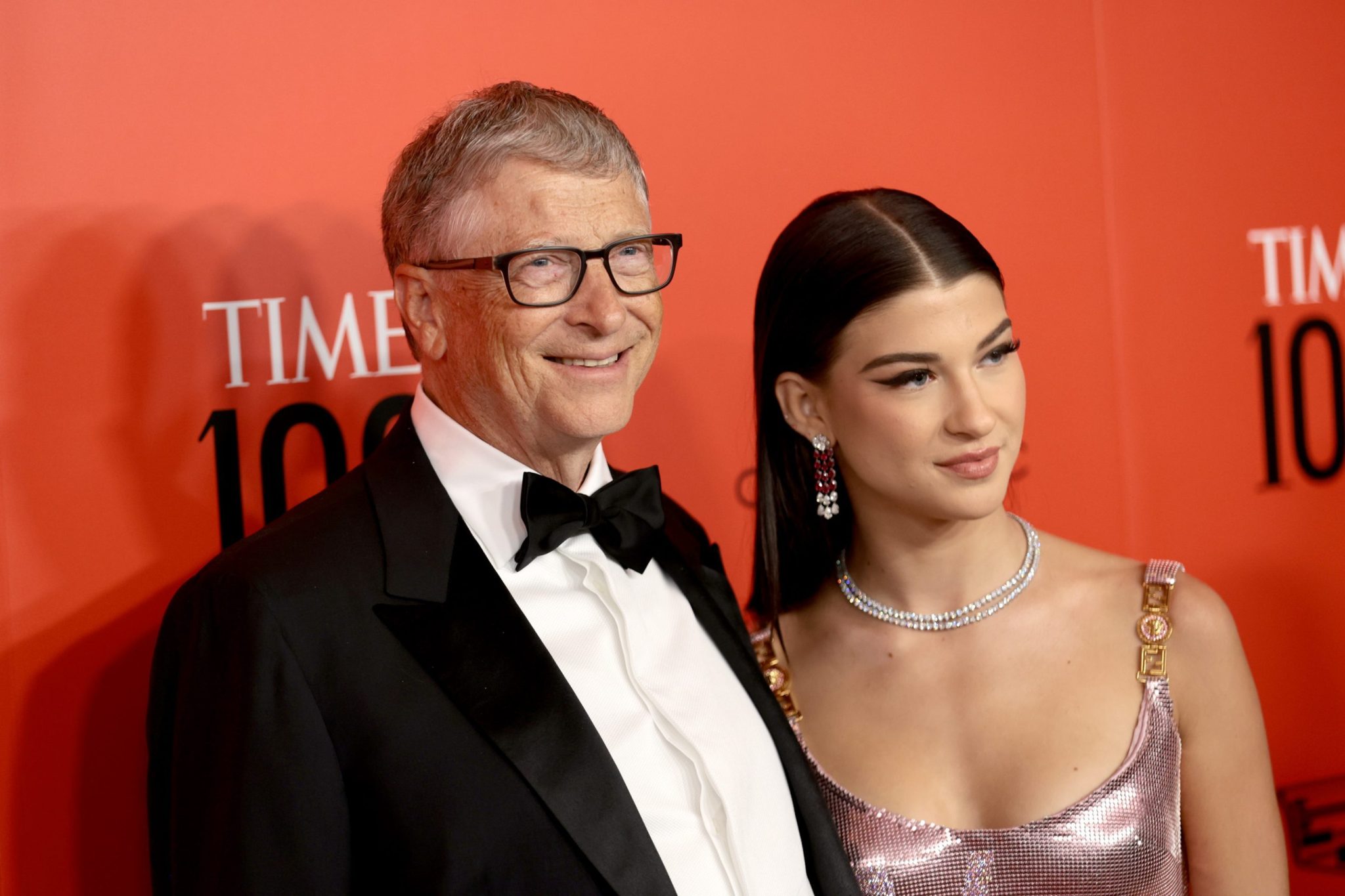
Billionaire philanthropist and Microsoft co-founder Bill Gates has raised concerns about the impact of misinformation on future generations, particularly in light of personal experiences involving his family. Speaking to CNBC Make It, Gates highlighted the challenge of misinformation, stating that it is a burden being “handed to the younger generation.” He emphasized the need for better information dissemination, reflecting on his earlier naivety regarding the public’s desire for accurate information.
Gates, whose net worth is approximately $118 billion according to the Bloomberg Billionaires Index, addressed the issue following incidents of online harassment faced by his daughter, Phoebe Gates. He noted, “Hearing my daughter talk about how she’d been harassed online, and how her friends experienced that quite a bit, brought that into focus in a way that I hadn’t thought about before.” Phoebe, who co-founded the AI shopping tool Phia, has previously discussed the challenges of being in the public eye, including facing criticism related to her personal life.
The Microsoft co-founder acknowledged the phenomenon of confirmation bias, where individuals tend to seek out information that aligns with their existing beliefs. “We have context where we want correct information, like hopefully when we want medical advice,” Gates explained. “But then we kind of like, in our community and enclave, have these shared views that kind of pull us together.” He admitted to occasionally indulging in biased narratives, particularly regarding political figures he opposes.
Gates’ reflections on misinformation come amid ongoing debates about the role of technology in curbing its spread. He suggested that artificial intelligence could play a crucial role in addressing misinformation and deepfakes, which are realistic but misleading images and videos. In a blog post on his website, GatesNotes, published in July 2023, he stated, “This will be a cyclical process: Someone finds a way to detect fakery, someone else figures out how to counter it, someone else develops counter-countermeasures, and so on.”
The conversation about misinformation contrasts sharply with the views of fellow billionaire Elon Musk, CEO of Tesla and owner of the platform X (formerly known as Twitter). Musk, a proponent of unrestricted free speech, has expressed skepticism toward the imposition of rules that would limit what individuals can share online. Gates commented, “We should have free speech. But if you’re inciting violence, if you’re causing people not to take vaccines, where are those boundaries?”
The discourse around misinformation is not new for Gates and Musk, who have frequently found themselves at odds on various topics. For instance, in July 2024, Musk threatened Gates regarding his purported bearish position on Tesla stock, although it remains unclear if Gates still holds such an investment. Their differences extend to management styles, with Gates suggesting that Musk may push too hard, while Musk has criticized Gates’ understanding of artificial intelligence.
As these two tech titans continue to navigate their public disagreements, misinformation remains a pressing issue. Gates has called for a balanced approach to free speech, advocating for rules to govern harmful content while allowing for open discussion. He expressed hope that the development of AI could lead to effective mechanisms for identifying and mitigating misinformation, making a case for a future where technology not only provides information but also ensures its accuracy.
This commentary from Gates aligns with his broader philanthropic efforts, which include initiatives aimed at addressing global health challenges and improving agricultural practices. His commitment to tackling misinformation reflects a recognition of its potential to harm individuals and communities, particularly as the digital landscape evolves.
The dialogue surrounding misinformation and its implications for society is ongoing, and as leaders like Gates and Musk express their views, the challenge of ensuring accurate information will likely remain a relevant topic for future generations.











Revolutionary Photonic Ski-Jump Could Miniaturize LiDAR Systems

Couples Detox from Plastics in New Netflix Doc: Can It Boost Fertility?

Aventon Launches Affordable Full-Suspension Electric Mountain Bike

Discover Eight Must-Try Restaurants This Spring Season

UC Irvine Team Unveils Innovative Ion Pump for Water Treatment

One-Third of Americans Trim Daily Expenses for Healthcare Needs

Apple Secures First Oscar in Three Years with F1: The Movie

Fourth Graders Celebrate St. Patrick’s Day with Creative Weather Drawings

Kim Kardashian Dazzles at Vanity Fair Oscars Party 2026

Nostradamus’ 2026 Predictions: Star Death and Dark Events Loom

Breakthroughs and Challenges Await Science in 2026

Electric Moto Influencer Surronster Arrested in Tijuana

OpenAI to Implement Age Verification for ChatGPT by December 2025

Discover the Top 10 Calorie Counting Apps of 2025

Bella Hadid Shares Health Update After Treatment for Lyme Disease

Analysts Project Stronger Growth for Apple’s iPhone 17 Lineup

Japanese Study Finds Rose Oil Can Increase Brain Gray Matter

Top 10 Penny Stocks to Watch in 2026 for Strong Returns
-
 Science3 months ago
Nostradamus’ 2026 Predictions: Star Death and Dark Events Loom
-
 Science4 months ago
Breakthroughs and Challenges Await Science in 2026
-
 Technology7 months ago
Electric Moto Influencer Surronster Arrested in Tijuana
-
 Technology4 months ago
OpenAI to Implement Age Verification for ChatGPT by December 2025
-
 Technology9 months ago
Discover the Top 10 Calorie Counting Apps of 2025
-
 Health7 months ago
Bella Hadid Shares Health Update After Treatment for Lyme Disease
-
 Health7 months ago
Analysts Project Stronger Growth for Apple’s iPhone 17 Lineup
-
 Health7 months ago
Japanese Study Finds Rose Oil Can Increase Brain Gray Matter
-
 Technology4 months ago
Top 10 Penny Stocks to Watch in 2026 for Strong Returns
-

 Science6 months ago
Starship V3 Set for 2026 Launch After Successful Final Test of Version 2
-

 Technology1 month ago
Nvidia GTC 2026: Major Announcements Expected for AI and Hardware
-

 Education7 months ago
Harvard Secures Court Victory Over Federal Funding Cuts