
Science
Upgrade Your SUV: Essential Modifications for Off-Road Adventures

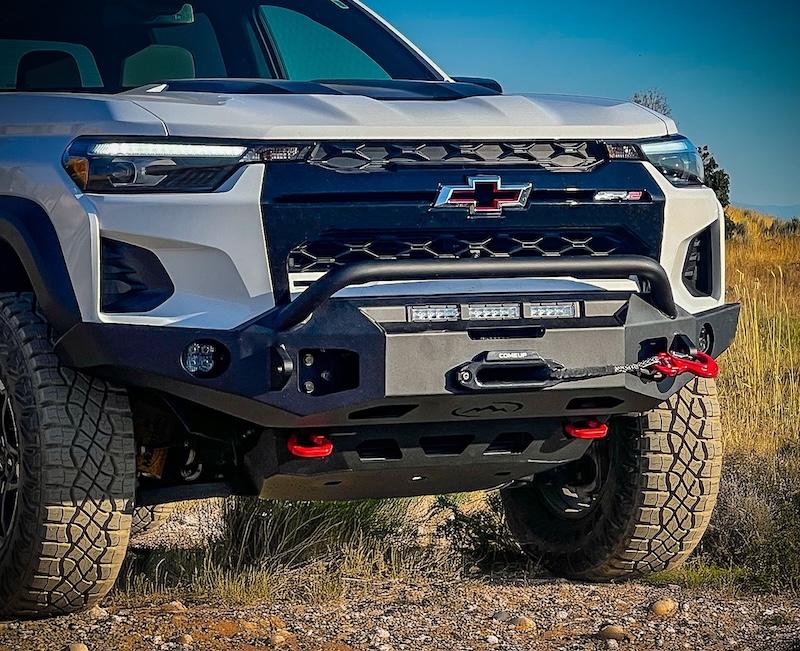
Preparing a sport utility vehicle (SUV) for off-roading requires more than just a robust appearance and a few high-tech features. While many modern SUVs come equipped with advanced capabilities such as All-Wheel Drive (AWD) systems and hill descent control, these features often prove insufficient in the challenging terrains that off-road enthusiasts encounter. To enhance an SUV’s performance and safety during off-road adventures, several essential modifications are necessary.
Key Modifications for Off-Road Readiness
To ensure that an SUV can tackle rugged landscapes, owners should consider several modifications. One of the most critical upgrades is the installation of off-road tires. These tires are designed to provide better traction on loose surfaces, such as mud, gravel, and sand. In contrast to standard tires, off-road variants feature deeper treads and sturdier sidewalls, improving durability and grip.
Another essential modification involves upgrading the suspension system. Off-road terrains often feature steep inclines, rocky paths, and deep ruts that can challenge a vehicle’s stability. A lift kit can provide increased ground clearance, allowing the SUV to navigate obstacles more easily while also enhancing approach and departure angles.
Adding Protection and Recovery Gear
Protection is another key aspect of preparing an SUV for off-roading. Adding skid plates can safeguard critical components such as the oil pan and transmission from damage when traversing rocky environments. Additionally, a winch can be a lifesaver if the vehicle becomes stuck. This tool, which consists of a spool of cable attached to a motor, allows drivers to pull their vehicle out of difficult situations or assist fellow adventurers in need.
Furthermore, equipping the SUV with a roof rack expands its carrying capacity. This modification enables adventurers to transport extra gear, such as camping supplies or additional fuel, without compromising interior space. It is also advisable to include recovery gear, such as tow straps and shovels, which can be invaluable during unexpected situations.
Considerations for Safety and Comfort
While performance is vital, safety should never be overlooked. Upgrading the vehicle’s lighting system with LED light bars can improve visibility during night excursions. Enhanced lighting ensures that drivers can navigate challenging paths with confidence. Additionally, installing a reliable navigation system or using smartphone applications designed for off-roading will help drivers stay on track and avoid getting lost.
Comfort during off-road journeys can also be improved by upgrading the vehicle’s interior. Comfortable seating and adequate ventilation can make a significant difference during long trips through rough terrain. Properly securing all gear and ensuring that the vehicle’s load is balanced will also contribute to a safer and more enjoyable experience.
In summary, preparing an SUV for off-roading involves a combination of performance enhancements, safety upgrades, and comfort considerations. By investing in these critical modifications, drivers can ensure their vehicles are ready to tackle the challenges of the great outdoors, making off-road adventures both thrilling and safe.



Revolutionary Photonic Ski-Jump Could Miniaturize LiDAR Systems

Couples Detox from Plastics in New Netflix Doc: Can It Boost Fertility?

Aventon Launches Affordable Full-Suspension Electric Mountain Bike

Discover Eight Must-Try Restaurants This Spring Season

UC Irvine Team Unveils Innovative Ion Pump for Water Treatment

One-Third of Americans Trim Daily Expenses for Healthcare Needs

Apple Secures First Oscar in Three Years with F1: The Movie

Fourth Graders Celebrate St. Patrick’s Day with Creative Weather Drawings

Kim Kardashian Dazzles at Vanity Fair Oscars Party 2026

Nostradamus’ 2026 Predictions: Star Death and Dark Events Loom

Breakthroughs and Challenges Await Science in 2026

Electric Moto Influencer Surronster Arrested in Tijuana

OpenAI to Implement Age Verification for ChatGPT by December 2025

Discover the Top 10 Calorie Counting Apps of 2025

Bella Hadid Shares Health Update After Treatment for Lyme Disease

Analysts Project Stronger Growth for Apple’s iPhone 17 Lineup

Japanese Study Finds Rose Oil Can Increase Brain Gray Matter

Top 10 Penny Stocks to Watch in 2026 for Strong Returns
-
 Science3 months ago
Nostradamus’ 2026 Predictions: Star Death and Dark Events Loom
-
 Science4 months ago
Breakthroughs and Challenges Await Science in 2026
-
 Technology7 months ago
Electric Moto Influencer Surronster Arrested in Tijuana
-
 Technology4 months ago
OpenAI to Implement Age Verification for ChatGPT by December 2025
-
 Technology9 months ago
Discover the Top 10 Calorie Counting Apps of 2025
-
 Health7 months ago
Bella Hadid Shares Health Update After Treatment for Lyme Disease
-
 Health7 months ago
Analysts Project Stronger Growth for Apple’s iPhone 17 Lineup
-
 Health7 months ago
Japanese Study Finds Rose Oil Can Increase Brain Gray Matter
-
 Technology4 months ago
Top 10 Penny Stocks to Watch in 2026 for Strong Returns
-

 Science6 months ago
Starship V3 Set for 2026 Launch After Successful Final Test of Version 2
-

 Technology1 month ago
Nvidia GTC 2026: Major Announcements Expected for AI and Hardware
-

 Education7 months ago
Harvard Secures Court Victory Over Federal Funding Cuts