
Science
Tonight’s Moon: Waxing Crescent Phase Shines on December 20

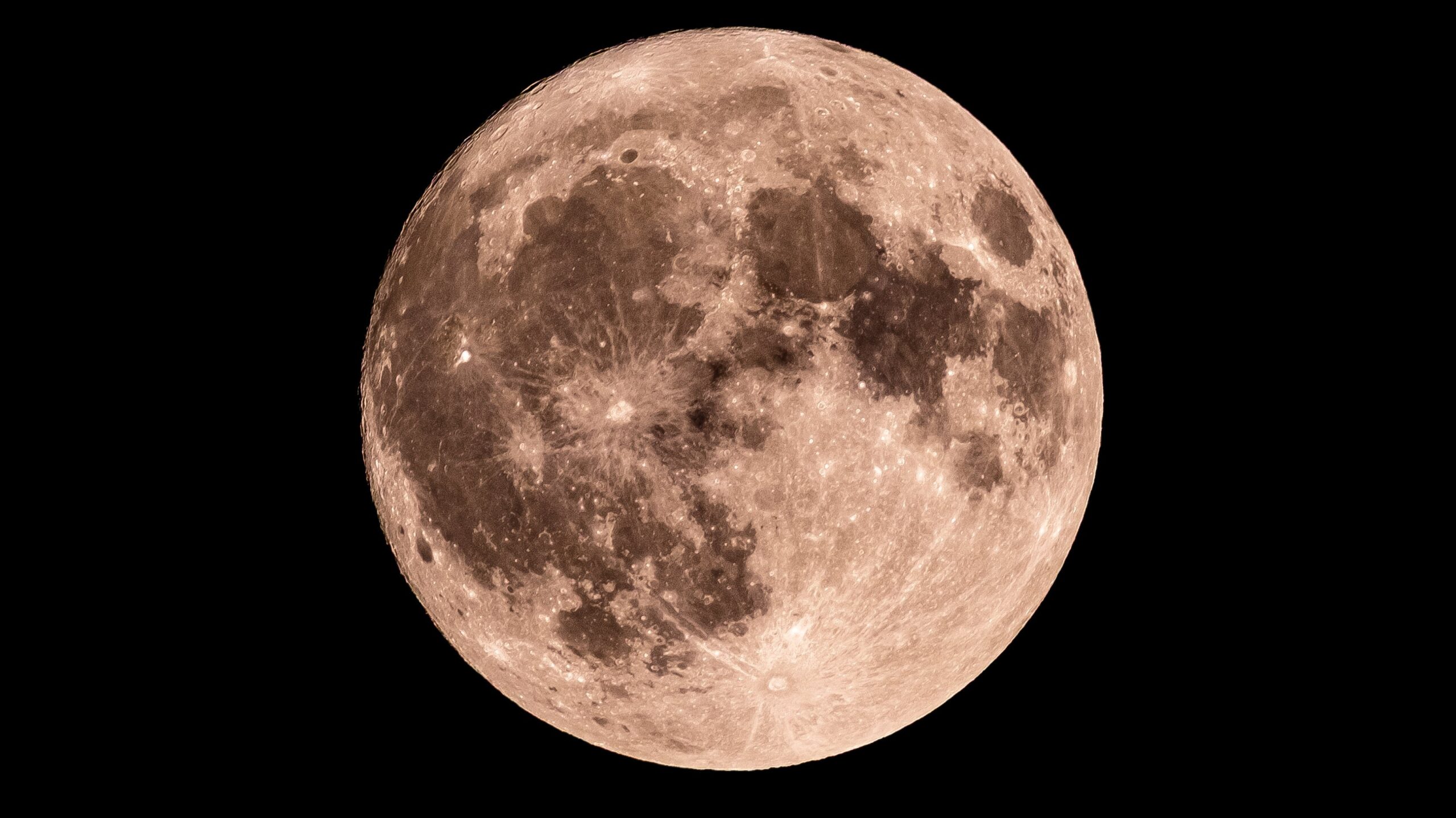
On the evening of December 20, the Moon enters the waxing crescent phase, visible primarily in the United States. This phase occurs as a thin sliver of the Moon becomes illuminated, although tonight, NASA’s Daily Moon Observation indicates that 0% of the Moon will be lit, rendering it nearly invisible to the naked eye. For many observers, spotting any features on the lunar surface will be impossible.
Understanding Moon Phases
The Moon’s phases are an essential aspect of its orbit around Earth, taking approximately 29.5 days to complete a full lunar cycle. During this time, the amount of sunlight reflecting off the lunar surface alters, leading to various phases, including the New Moon and Full Moon. According to NASA, this cycle is categorized into eight primary phases:
- New Moon: The Moon is positioned between Earth and the Sun, causing the side facing us to remain dark.
- Waxing Crescent: A small portion of light appears on the right side in the Northern Hemisphere.
- First Quarter: Half of the Moon is illuminated on the right, resembling a half-moon.
- Waxing Gibbous: More than half is lit, but it is not yet full.
- Full Moon: The entire face of the Moon is visible and fully illuminated.
- Waning Gibbous: The Moon begins to lose light on the right side.
- Third Quarter: Another half-moon, but this time the left side is lit.
- Waning Crescent: A thin sliver of light remains on the left before the Moon returns to darkness.
Following tonight’s waxing crescent, the next full moon will occur on January 3, while the last full moon was observed on December 4. The steady rhythm of lunar phases captivates astronomers and casual observers alike, offering a glimpse into the dynamic relationship between the Moon and Earth.
The Celestial Dance Continues
As the Moon continues its journey through its phases, enthusiasts are reminded of the beauty and complexity of this natural satellite. While tonight may offer little visibility, each phase brings its own unique allure, encouraging people worldwide to look up and appreciate the night sky.
The lunar cycle not only influences tides and natural phenomena on Earth but also serves as a source of inspiration and wonder for cultures around the globe. As we await the next full moon, the waxing crescent invites reflection on the celestial patterns that have fascinated humanity for centuries.












Revolutionary Photonic Ski-Jump Could Miniaturize LiDAR Systems

Couples Detox from Plastics in New Netflix Doc: Can It Boost Fertility?

Aventon Launches Affordable Full-Suspension Electric Mountain Bike

Discover Eight Must-Try Restaurants This Spring Season

UC Irvine Team Unveils Innovative Ion Pump for Water Treatment

One-Third of Americans Trim Daily Expenses for Healthcare Needs

Apple Secures First Oscar in Three Years with F1: The Movie

Fourth Graders Celebrate St. Patrick’s Day with Creative Weather Drawings

Kim Kardashian Dazzles at Vanity Fair Oscars Party 2026

Nostradamus’ 2026 Predictions: Star Death and Dark Events Loom

Breakthroughs and Challenges Await Science in 2026

Electric Moto Influencer Surronster Arrested in Tijuana

OpenAI to Implement Age Verification for ChatGPT by December 2025

Discover the Top 10 Calorie Counting Apps of 2025

Recovering a Suspended TikTok Account: A Step-by-Step Guide

Bella Hadid Shares Health Update After Treatment for Lyme Disease

Backpack Drives Equip Students with Supplies for New School Year

Analysts Project Stronger Growth for Apple’s iPhone 17 Lineup
-
 Science7 months ago
Nostradamus’ 2026 Predictions: Star Death and Dark Events Loom
-
 Science7 months ago
Breakthroughs and Challenges Await Science in 2026
-
 Technology11 months ago
Electric Moto Influencer Surronster Arrested in Tijuana
-
 Technology8 months ago
OpenAI to Implement Age Verification for ChatGPT by December 2025
-
 Technology1 year ago
Discover the Top 10 Calorie Counting Apps of 2025
-
 Technology1 year ago
Recovering a Suspended TikTok Account: A Step-by-Step Guide
-
 Health11 months ago
Bella Hadid Shares Health Update After Treatment for Lyme Disease
-
 Education1 year ago
Backpack Drives Equip Students with Supplies for New School Year
-
 Health11 months ago
Analysts Project Stronger Growth for Apple’s iPhone 17 Lineup
-

 Technology8 months ago
Top 10 Penny Stocks to Watch in 2026 for Strong Returns
-

 Health11 months ago
Japanese Study Finds Rose Oil Can Increase Brain Gray Matter
-

 Science10 months ago
Starship V3 Set for 2026 Launch After Successful Final Test of Version 2