
Science
Study Reveals Biostimulant Seed Treatments Fail to Boost Soybean Yields

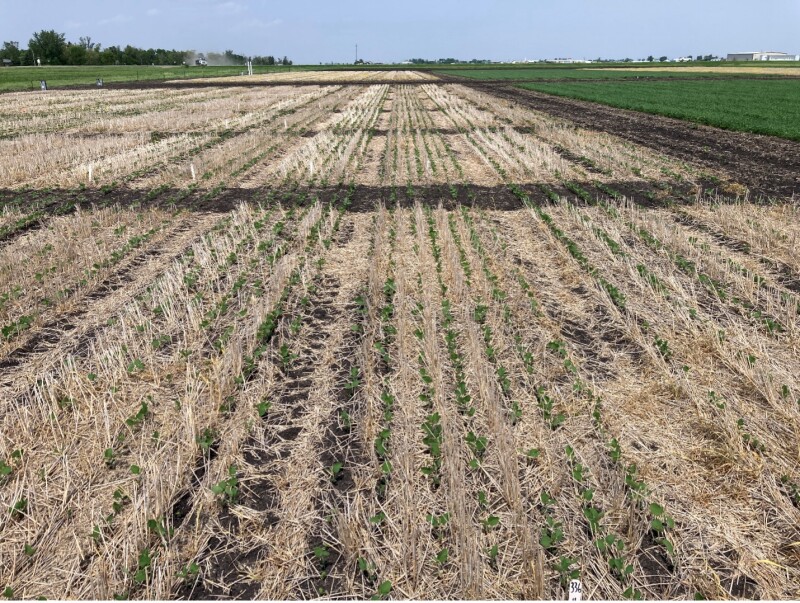
A comprehensive two-year study involving 28 researchers across 22 states has found that biostimulant seed treatments for soybeans have had little to no effect on crop yields. Conducted at 103 site locations, the study concluded that the seed-applied biological products tested failed to deliver the promised benefits of enhanced early vigor, stress tolerance, and yield.
Biostimulants are marketed as affordable alternatives to more expensive agricultural inputs, with claims of improving crop performance as farmers face rising costs. The global market for these biological products was valued at approximately $13.6 billion in 2024. According to the 2018 Farm Bill, biostimulants are defined as substances or microorganisms that promote natural processes to enhance nutrient uptake, efficiency, and crop quality.
Despite the promising marketing, the study—led by Science for Success, a consortium of agronomists from land-grant universities—found no significant yield increases from the biostimulants currently available to farmers. Seth Naeve, a soybean agronomist at the University of Minnesota and co-author of the study, noted that numerous factors can hinder the effectiveness of these products: “There’s a million ways where these things can go wrong, and everything has to go right for them to work.”
The multi-state research included notable agricultural states such as North Dakota, South Dakota, Minnesota, Wisconsin, and Iowa. Although the hypothesis was that the biostimulants would yield positive results, the findings were consistently disappointing, as Naeve remarked, “The biggest surprise of anything is that nothing worked anywhere.”
At the recent Minnesota Organic Conference, Carl Rosen, an Extension soils scientist at the University of Minnesota, highlighted the complexity of biostimulants. He stated, “The goal of the biostimulants is to try to use natural processes to provide nutrients more or less indirectly.” Rosen emphasized the sheer volume of biostimulants on the market, which makes comprehensive testing challenging. He added, “It’s a very noble goal, and it’s one we all hope would work. But it’s a complicated system.”
The study, published in the scientific journal Field Crops Research in December 2025, examined 8 to 10 commercial products per state, each featuring a diverse range of active ingredients. While the results are discouraging, the researchers are clear that this does not signify that biostimulants will never be effective. They advocate for rigorous testing by unbiased researchers before marketing these products to farmers.
The findings suggest that seed-applied biostimulants should not be relied upon for consistent soybean yield increases, and broad marketing claims do not hold up under scrutiny. The recommendation for farmers is to approach these products with caution, particularly without localized evidence of their efficacy.
The study does acknowledge that biostimulants may provide non-yield benefits, particularly during stressful growing conditions. Nevertheless, Naeve concluded, “If we can put these out in 103 locations and we get virtually nothing, it really demonstrates the challenges we have with these types of products.”
Farmers interested in testing biostimulants are advised to do so on a small scale initially, ensuring proper controls are in place. “Make sure that you test it in an area that doesn’t have it and preferably replicated in strips where you have the biostimulant and no biostimulant,” Rosen recommended.
Currently, biostimulants are not regulated by the Environmental Protection Agency (EPA). The study underscores the necessity for further evaluations and standardized requirements governing the registration, production, and commercialization of biostimulants in the United States.
This research was co-funded by the United States Department of Agriculture NIFA AFRI and the United Soybean Board, with additional support from state soybean boards in participating regions.





Revolutionary Photonic Ski-Jump Could Miniaturize LiDAR Systems

Couples Detox from Plastics in New Netflix Doc: Can It Boost Fertility?

Aventon Launches Affordable Full-Suspension Electric Mountain Bike

Discover Eight Must-Try Restaurants This Spring Season

UC Irvine Team Unveils Innovative Ion Pump for Water Treatment

One-Third of Americans Trim Daily Expenses for Healthcare Needs

Apple Secures First Oscar in Three Years with F1: The Movie

Fourth Graders Celebrate St. Patrick’s Day with Creative Weather Drawings

Kim Kardashian Dazzles at Vanity Fair Oscars Party 2026

Nostradamus’ 2026 Predictions: Star Death and Dark Events Loom

Breakthroughs and Challenges Await Science in 2026

Electric Moto Influencer Surronster Arrested in Tijuana

OpenAI to Implement Age Verification for ChatGPT by December 2025

Discover the Top 10 Calorie Counting Apps of 2025

Recovering a Suspended TikTok Account: A Step-by-Step Guide

Bella Hadid Shares Health Update After Treatment for Lyme Disease

Backpack Drives Equip Students with Supplies for New School Year

Analysts Project Stronger Growth for Apple’s iPhone 17 Lineup
-
 Science8 months ago
Nostradamus’ 2026 Predictions: Star Death and Dark Events Loom
-
 Science8 months ago
Breakthroughs and Challenges Await Science in 2026
-
 Technology11 months ago
Electric Moto Influencer Surronster Arrested in Tijuana
-
 Technology9 months ago
OpenAI to Implement Age Verification for ChatGPT by December 2025
-
 Technology1 year ago
Discover the Top 10 Calorie Counting Apps of 2025
-
 Technology1 year ago
Recovering a Suspended TikTok Account: A Step-by-Step Guide
-
 Health11 months ago
Bella Hadid Shares Health Update After Treatment for Lyme Disease
-
 Education1 year ago
Backpack Drives Equip Students with Supplies for New School Year
-
 Health11 months ago
Analysts Project Stronger Growth for Apple’s iPhone 17 Lineup
-

 Health12 months ago
Japanese Study Finds Rose Oil Can Increase Brain Gray Matter
-

 Technology8 months ago
Top 10 Penny Stocks to Watch in 2026 for Strong Returns
-

 Science10 months ago
Starship V3 Set for 2026 Launch After Successful Final Test of Version 2