
Health
Salmonella Outbreak Linked to Raw Oysters Hospitalizes 20 Across 22 States

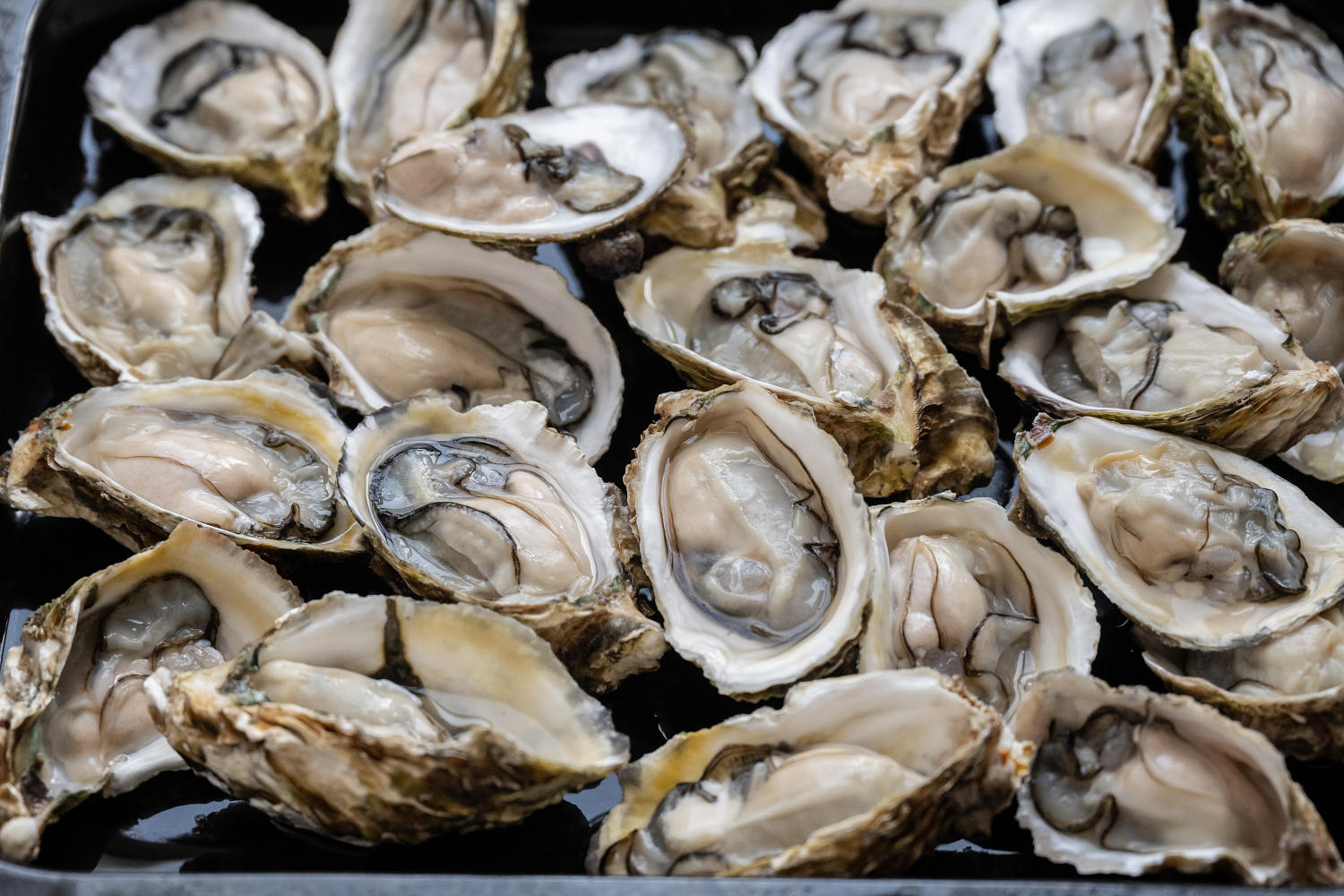
Public health officials have issued a warning regarding a significant salmonella outbreak associated with raw oysters. The Centers for Disease Control and Prevention (CDC) reports that over **60 individuals** have fallen ill, with **20** requiring hospitalization due to serious symptoms. Cases have emerged across **22 states**, prompting investigations by the CDC and the U.S. Food and Drug Administration (FDA) to identify a potential common source of the contaminated oysters. As of now, no recall has been initiated.
Outbreak Details and Geographic Spread
The current estimate indicates that **64 cases** of salmonella have been reported as of **December 23, 2025**. The outbreak began in late June, with a noticeable increase in cases observed in November. The CDC highlights that reporting delays could mean that more recent cases are not yet accounted for, noting that it typically takes **three to four weeks** to confirm whether a patient is linked to an outbreak.
Locations with reported cases include:
– Arizona
– California
– Colorado
– Connecticut
– Delaware
– Florida
– Georgia
– Illinois
– Kentucky
– Maine
– Maryland
– Massachusetts
– Missouri
– New Jersey
– New York
– North Carolina
– Pennsylvania
– South Carolina
– South Dakota
– Tennessee
– Texas
– Virginia
Among these states, **Pennsylvania** has reported the highest number of cases at **10**, followed by **New York** with **7**, and **New Jersey** and **Virginia**, each with **6** confirmed cases.
Understanding Salmonella and Its Risks
This outbreak is linked to the salmonella variant known as **Salmonella Telelkebir**, which is less commonly encountered and often associated with exposure to reptiles. Symptoms of a salmonella infection generally emerge between **six hours and six days** after consuming contaminated food. Common symptoms include:
– Diarrhea
– Fever
– Stomach cramps
While most healthy adults recover from salmonella infections without medical intervention within a week, complications can arise. Severe cases may lead to dehydration requiring hospitalization, and in some instances, the infection can spread beyond the gastrointestinal tract. Certain demographics, including older adults, young children, and individuals with weakened immune systems, are at higher risk for experiencing severe symptoms.
To mitigate the risk of foodborne illness, the CDC advises consumers to cook seafood thoroughly instead of consuming it raw. If opting for raw oysters, it is crucial to adhere to safe food handling practices. Notably, external appearances of oysters do not indicate contamination, and common condiments like hot sauce and lemon juice do not eliminate harmful bacteria.
As investigations continue, health officials urge consumers to remain vigilant and informed about the risks associated with raw seafood, particularly during peak seasons for seafood consumption.












Revolutionary Photonic Ski-Jump Could Miniaturize LiDAR Systems

Couples Detox from Plastics in New Netflix Doc: Can It Boost Fertility?

Aventon Launches Affordable Full-Suspension Electric Mountain Bike

Discover Eight Must-Try Restaurants This Spring Season

UC Irvine Team Unveils Innovative Ion Pump for Water Treatment

One-Third of Americans Trim Daily Expenses for Healthcare Needs

Apple Secures First Oscar in Three Years with F1: The Movie

Fourth Graders Celebrate St. Patrick’s Day with Creative Weather Drawings

Kim Kardashian Dazzles at Vanity Fair Oscars Party 2026

Nostradamus’ 2026 Predictions: Star Death and Dark Events Loom

Breakthroughs and Challenges Await Science in 2026

Electric Moto Influencer Surronster Arrested in Tijuana

OpenAI to Implement Age Verification for ChatGPT by December 2025

Discover the Top 10 Calorie Counting Apps of 2025

Recovering a Suspended TikTok Account: A Step-by-Step Guide

Bella Hadid Shares Health Update After Treatment for Lyme Disease

Backpack Drives Equip Students with Supplies for New School Year

Analysts Project Stronger Growth for Apple’s iPhone 17 Lineup
-
 Science8 months ago
Nostradamus’ 2026 Predictions: Star Death and Dark Events Loom
-
 Science8 months ago
Breakthroughs and Challenges Await Science in 2026
-
 Technology11 months ago
Electric Moto Influencer Surronster Arrested in Tijuana
-
 Technology9 months ago
OpenAI to Implement Age Verification for ChatGPT by December 2025
-
 Technology1 year ago
Discover the Top 10 Calorie Counting Apps of 2025
-
 Technology1 year ago
Recovering a Suspended TikTok Account: A Step-by-Step Guide
-
 Health11 months ago
Bella Hadid Shares Health Update After Treatment for Lyme Disease
-
 Education1 year ago
Backpack Drives Equip Students with Supplies for New School Year
-
 Health12 months ago
Analysts Project Stronger Growth for Apple’s iPhone 17 Lineup
-

 Health12 months ago
Japanese Study Finds Rose Oil Can Increase Brain Gray Matter
-

 Technology8 months ago
Top 10 Penny Stocks to Watch in 2026 for Strong Returns
-

 Science10 months ago
Starship V3 Set for 2026 Launch After Successful Final Test of Version 2