
Science
SpaceX’s Crew-11 Dragon Successfully Docks with ISS

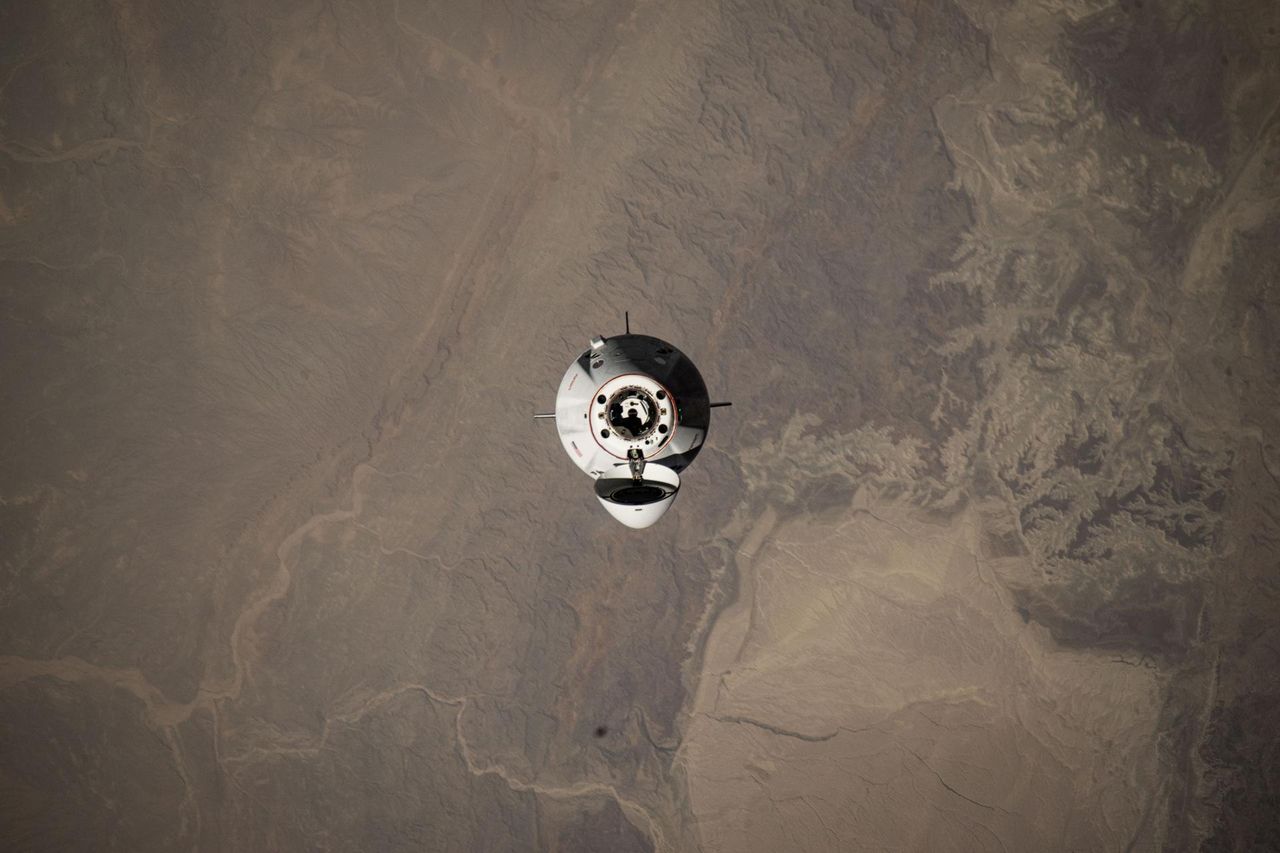
On August 1, 2025, SpaceX successfully launched its Crew-11 mission from NASA’s Kennedy Space Center in Florida, marking another significant milestone in its partnership with the agency’s Commercial Crew Program. The Crew-11 mission is the 11th contracted crewed flight to the International Space Station (ISS), which orbits approximately 260 miles (418 kilometers) above Earth.
SpaceX’s Dragon spacecraft is a fully autonomous vehicle designed to transport astronauts and cargo to and from the ISS and other low Earth orbit (LEO) destinations. Its reusability contributes to more efficient and cost-effective space travel. The spacecraft can endure multiple reentries and is capable of remaining docked at the ISS for extended periods. Launched aboard a Falcon 9 rocket, the Dragon can accommodate up to six passengers, although NASA missions typically transport four crew members alongside necessary cargo and research equipment.
Rapid Docking and Extended Mission
The Crew-11 Dragon capsule, named Endeavour, successfully approached the ISS for docking on August 2, less than 15 hours post-launch. This rapid rendezvous is the fastest achieved by a Crew Dragon mission to date. The capsule docked at the ISS’s Harmony module and will remain attached to the station for six to eight months.
During this time, the four astronauts aboard Endeavour will conduct a variety of scientific experiments and perform essential maintenance on the ISS. Notably, their stay coincides with the 25th anniversary of continuous human presence on the station, which will be celebrated in early November.
Significance of the Mission
The Crew-11 mission represents a continued commitment to advancing human presence in space and facilitating scientific research aboard the ISS. The astronauts will leverage this opportunity to work on experiments that could yield valuable insights across multiple disciplines, including biology, physics, and environmental science.
As interest in space exploration grows, missions like Crew-11 underscore the importance of international collaboration in scientific endeavors. The successful launch and docking of Endeavour reflect not only SpaceX’s technological capabilities but also the ongoing partnership between NASA and commercial space enterprises.
For further details on the research conducted aboard the ISS and the objectives of SpaceX’s Crew-11 mission, interested readers can explore additional resources provided by NASA.







Revolutionary Photonic Ski-Jump Could Miniaturize LiDAR Systems

Couples Detox from Plastics in New Netflix Doc: Can It Boost Fertility?

Aventon Launches Affordable Full-Suspension Electric Mountain Bike

Discover Eight Must-Try Restaurants This Spring Season

UC Irvine Team Unveils Innovative Ion Pump for Water Treatment

One-Third of Americans Trim Daily Expenses for Healthcare Needs

Apple Secures First Oscar in Three Years with F1: The Movie

Fourth Graders Celebrate St. Patrick’s Day with Creative Weather Drawings

Kim Kardashian Dazzles at Vanity Fair Oscars Party 2026

Nostradamus’ 2026 Predictions: Star Death and Dark Events Loom

Breakthroughs and Challenges Await Science in 2026

Electric Moto Influencer Surronster Arrested in Tijuana

OpenAI to Implement Age Verification for ChatGPT by December 2025

Discover the Top 10 Calorie Counting Apps of 2025

Bella Hadid Shares Health Update After Treatment for Lyme Disease

Analysts Project Stronger Growth for Apple’s iPhone 17 Lineup

Japanese Study Finds Rose Oil Can Increase Brain Gray Matter

Top 10 Penny Stocks to Watch in 2026 for Strong Returns
-
 Science3 months ago
Nostradamus’ 2026 Predictions: Star Death and Dark Events Loom
-
 Science4 months ago
Breakthroughs and Challenges Await Science in 2026
-
 Technology7 months ago
Electric Moto Influencer Surronster Arrested in Tijuana
-
 Technology4 months ago
OpenAI to Implement Age Verification for ChatGPT by December 2025
-
 Technology9 months ago
Discover the Top 10 Calorie Counting Apps of 2025
-
 Health7 months ago
Bella Hadid Shares Health Update After Treatment for Lyme Disease
-
 Health7 months ago
Analysts Project Stronger Growth for Apple’s iPhone 17 Lineup
-
 Health7 months ago
Japanese Study Finds Rose Oil Can Increase Brain Gray Matter
-
 Technology4 months ago
Top 10 Penny Stocks to Watch in 2026 for Strong Returns
-

 Science6 months ago
Starship V3 Set for 2026 Launch After Successful Final Test of Version 2
-

 Technology1 month ago
Nvidia GTC 2026: Major Announcements Expected for AI and Hardware
-

 Education7 months ago
Harvard Secures Court Victory Over Federal Funding Cuts