
Science
New Hypothesis Suggests Loud Civilizations May Signal Extraterrestrial Life

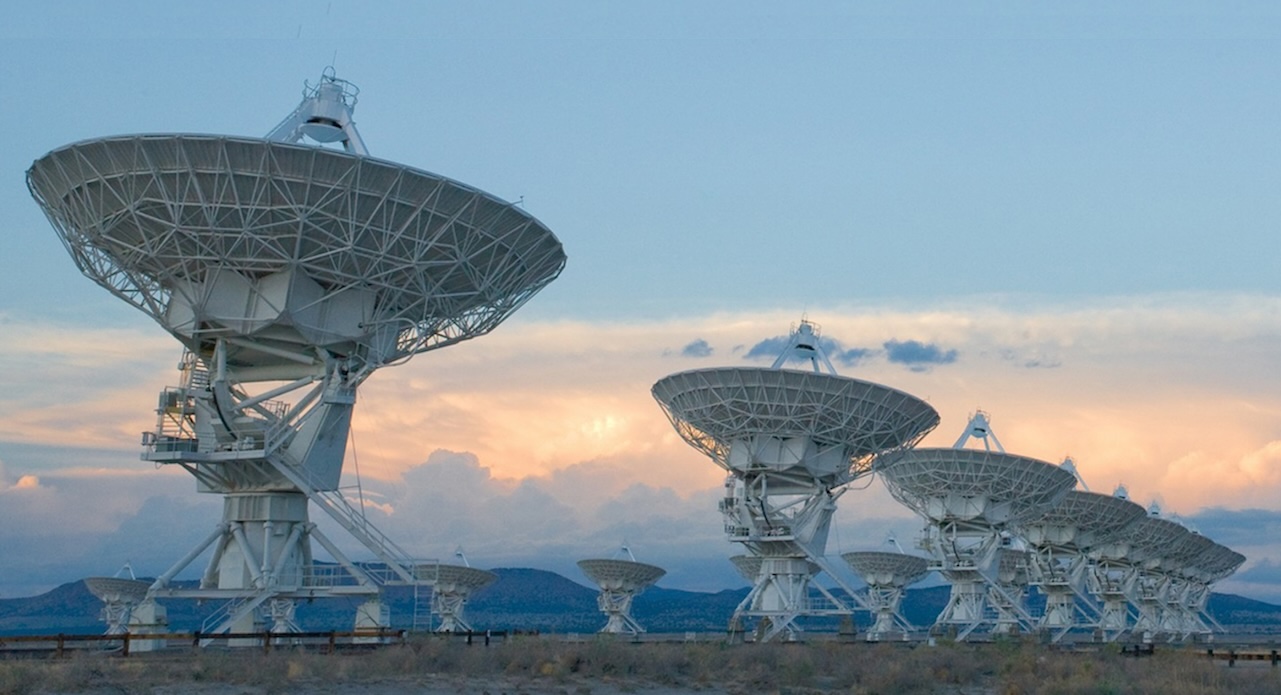
A groundbreaking proposal in the search for extraterrestrial life has emerged from the latest research led by astronomer David Kipping. This new theory, known as the Eschatian Hypothesis, suggests that the first confirmed detection of an extraterrestrial technological civilization is likely to come from an atypical source—one that emits unusually strong signals, or “technosignatures,” during a fleeting and potentially unstable phase of its existence.
The hypothesis stems from an analysis of historical astronomical discoveries, which reveal that many significant detections are often rare and extreme examples rather than typical instances. Kipping posits that civilizations capable of generating detectable signals may only do so for a brief period in their development. The study indicates that if such a civilization is only “loud” for a mere 10−6 of its lifetime, it must produce at least 1% of its total observable energy budget during that time to be noticed above the background noise created by quieter civilizations.
Implications for Future Searches
Kipping’s findings illustrate a critical aspect of the search for extraterrestrial intelligence (SETI). The research highlights the necessity for agnostic anomaly searches, advocating for wide-field, multi-channel, continuous surveys. This approach could increase the chances of detecting these transient technosignatures, which may otherwise go unnoticed in traditional searches focused on more stable signals.
The work has been accepted for publication in the Research Notes of the American Astronomical Society (RNAAS) and is available on arXiv under the identifier arXiv:2512.09970. The study was submitted on December 10, 2025, marking a significant contribution to the field of astrobiology and our understanding of potential extraterrestrial life.
Kipping’s hypothesis raises important questions about how we define and search for life beyond Earth. As our technology advances, the methods used to detect these “loud” civilizations will likely evolve, providing deeper insights into the cosmos. The research encourages scientists to rethink detection strategies, focusing not only on civilizations that exist in stable phases but also on those that may be in a critical or transitional state.
In conclusion, the Eschatian Hypothesis offers a fresh perspective in the quest for extraterrestrial life, underscoring the idea that the most significant discoveries may come from the unexpected. By refining our search techniques and broadening our understanding of what constitutes a detectable signal, humanity may one day uncover the existence of advanced civilizations among the stars.

Revolutionary Photonic Ski-Jump Could Miniaturize LiDAR Systems

Couples Detox from Plastics in New Netflix Doc: Can It Boost Fertility?

Aventon Launches Affordable Full-Suspension Electric Mountain Bike

Discover Eight Must-Try Restaurants This Spring Season

UC Irvine Team Unveils Innovative Ion Pump for Water Treatment

One-Third of Americans Trim Daily Expenses for Healthcare Needs

Apple Secures First Oscar in Three Years with F1: The Movie

Fourth Graders Celebrate St. Patrick’s Day with Creative Weather Drawings

Kim Kardashian Dazzles at Vanity Fair Oscars Party 2026

Nostradamus’ 2026 Predictions: Star Death and Dark Events Loom

Breakthroughs and Challenges Await Science in 2026

Electric Moto Influencer Surronster Arrested in Tijuana

OpenAI to Implement Age Verification for ChatGPT by December 2025

Discover the Top 10 Calorie Counting Apps of 2025

Bella Hadid Shares Health Update After Treatment for Lyme Disease

Analysts Project Stronger Growth for Apple’s iPhone 17 Lineup

Japanese Study Finds Rose Oil Can Increase Brain Gray Matter

Top 10 Penny Stocks to Watch in 2026 for Strong Returns
-
 Science4 months ago
Nostradamus’ 2026 Predictions: Star Death and Dark Events Loom
-
 Science4 months ago
Breakthroughs and Challenges Await Science in 2026
-
 Technology7 months ago
Electric Moto Influencer Surronster Arrested in Tijuana
-
 Technology4 months ago
OpenAI to Implement Age Verification for ChatGPT by December 2025
-
 Technology9 months ago
Discover the Top 10 Calorie Counting Apps of 2025
-
 Health7 months ago
Bella Hadid Shares Health Update After Treatment for Lyme Disease
-
 Health7 months ago
Analysts Project Stronger Growth for Apple’s iPhone 17 Lineup
-
 Health7 months ago
Japanese Study Finds Rose Oil Can Increase Brain Gray Matter
-
 Technology4 months ago
Top 10 Penny Stocks to Watch in 2026 for Strong Returns
-

 Science6 months ago
Starship V3 Set for 2026 Launch After Successful Final Test of Version 2
-

 Technology1 month ago
Nvidia GTC 2026: Major Announcements Expected for AI and Hardware
-

 Education7 months ago
Harvard Secures Court Victory Over Federal Funding Cuts