
Science
NASA Restores Contact with TRACERS Satellite After Launch Issues

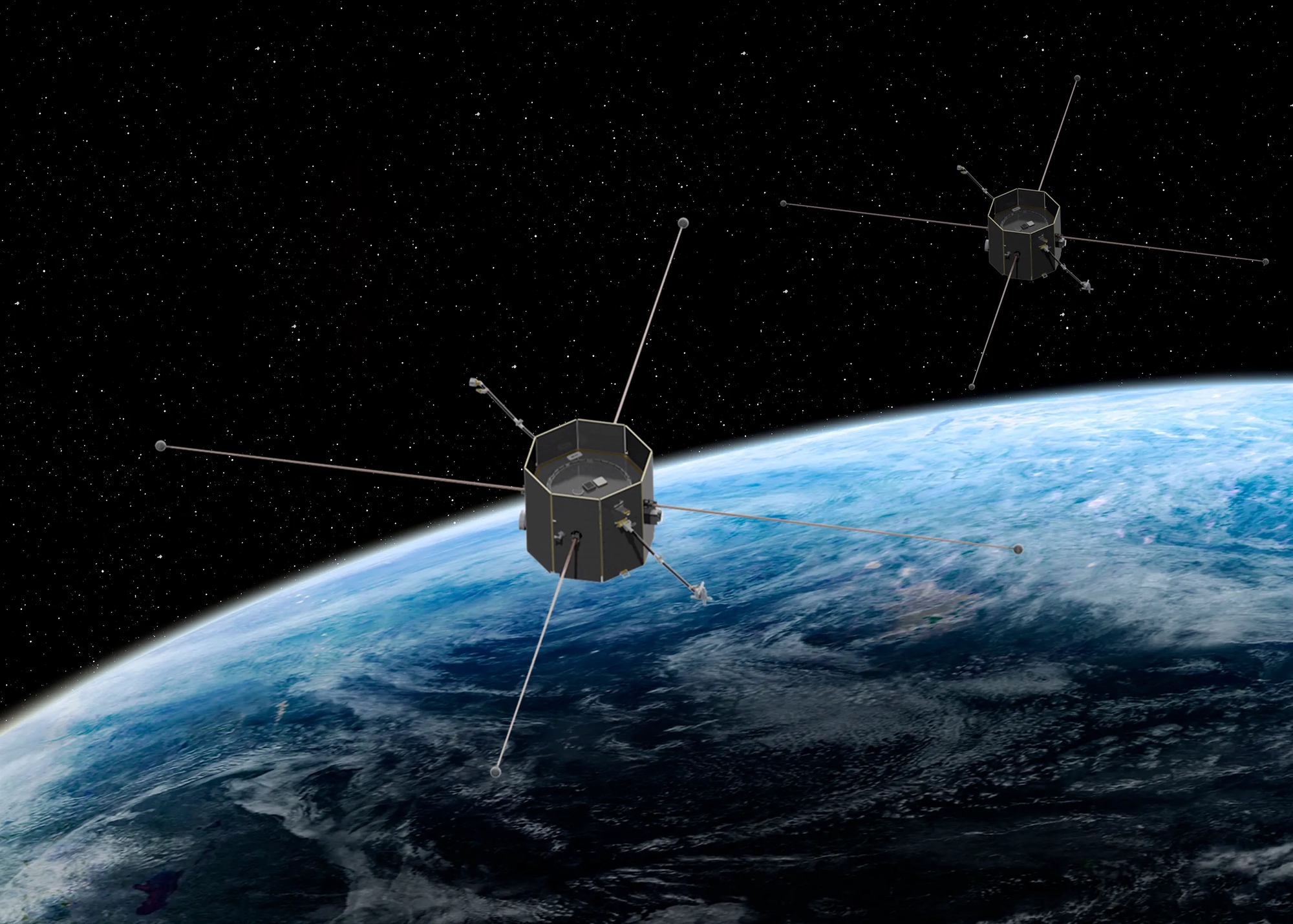
NASA has successfully reestablished communication with one of its TRACERS satellites, following a series of challenges encountered shortly after its launch on July 23. In a statement released on September 11, NASA confirmed it had regained contact with SV1, one of the two Tandem Reconnection and Cusp Electrodynamics Reconnaissance Satellites. The second satellite, SV2, had completed its post-launch commissioning without any reported issues.
SV1 experienced a power subsystem problem just two days after launch, which resulted in intermittent contact. Observations made on August 5 indicated that SV1 only operated when its solar arrays were positioned in sunlight. To address the issue, controllers planned to attempt to restore communications later in August when the solar panels were better aligned with the sun.
Challenges and Ongoing Efforts
The latest update from NASA did not provide new details regarding the nature of the problem affecting SV1. The mission team is focused on recovering the spacecraft and resuming its scientific operations. TRACERS is designed to utilize both spacecraft to study the interaction between solar wind and Earth’s magnetic field, passing through the same region of space with a separation of up to two minutes.
NASA’s September 11 statement indicated that its mission partners and the satellite’s manufacturer, NovaWurks, confirmed SV1’s location and are working to restore communications. The agency noted that the team is also investigating the initial missed signal acquisition and any contributing factors to the delay in communication downlinks.
In contrast to the challenges faced by SV1, another payload launched during the same mission is performing exceptionally well. NASA’s Polylingual Experimental Terminal (PExT), which is aboard the Bard satellite built by York Space Systems, is currently testing communication across multiple satellite networks, including NASA’s Tracking and Data Relay Satellite (TDRS) system and various commercial services. NASA reported on September 9 that commissioning of the Bard satellite was complete, with PExT’s commissioning expected to conclude by the end of September.
Future Implications for the Mission
The performance of SV1 is crucial for the success of the TRACERS mission, as its scientific objectives depend on data collected from both satellites. If only one spacecraft can operate effectively, it remains uncertain how this limitation might impact the overall research goals.
The TRACERS mission launched aboard a Falcon 9 rideshare mission that also included several other small satellites from NASA. Among these is Athena EPIC, which has contributions from NASA, the U.S. Space Force, and the National Oceanic and Atmospheric Administration. This mission aims to test modular satellite designs and an Earth observation instrument.
As efforts continue to resolve the issues with SV1, NASA remains committed to its broader objectives in space science and exploration. The developments surrounding TRACERS highlight the complexities and challenges associated with satellite missions, where even minor technical difficulties can have significant implications for scientific progress.





Revolutionary Photonic Ski-Jump Could Miniaturize LiDAR Systems

Couples Detox from Plastics in New Netflix Doc: Can It Boost Fertility?

Aventon Launches Affordable Full-Suspension Electric Mountain Bike

Discover Eight Must-Try Restaurants This Spring Season

UC Irvine Team Unveils Innovative Ion Pump for Water Treatment

One-Third of Americans Trim Daily Expenses for Healthcare Needs

Apple Secures First Oscar in Three Years with F1: The Movie

Fourth Graders Celebrate St. Patrick’s Day with Creative Weather Drawings

Kim Kardashian Dazzles at Vanity Fair Oscars Party 2026

Nostradamus’ 2026 Predictions: Star Death and Dark Events Loom

Breakthroughs and Challenges Await Science in 2026

Electric Moto Influencer Surronster Arrested in Tijuana

OpenAI to Implement Age Verification for ChatGPT by December 2025

Discover the Top 10 Calorie Counting Apps of 2025

Recovering a Suspended TikTok Account: A Step-by-Step Guide

Bella Hadid Shares Health Update After Treatment for Lyme Disease

Backpack Drives Equip Students with Supplies for New School Year

Analysts Project Stronger Growth for Apple’s iPhone 17 Lineup
-
 Science7 months ago
Nostradamus’ 2026 Predictions: Star Death and Dark Events Loom
-
 Science7 months ago
Breakthroughs and Challenges Await Science in 2026
-
 Technology11 months ago
Electric Moto Influencer Surronster Arrested in Tijuana
-
 Technology8 months ago
OpenAI to Implement Age Verification for ChatGPT by December 2025
-
 Technology1 year ago
Discover the Top 10 Calorie Counting Apps of 2025
-
 Technology1 year ago
Recovering a Suspended TikTok Account: A Step-by-Step Guide
-
 Health11 months ago
Bella Hadid Shares Health Update After Treatment for Lyme Disease
-
 Education1 year ago
Backpack Drives Equip Students with Supplies for New School Year
-
 Health11 months ago
Analysts Project Stronger Growth for Apple’s iPhone 17 Lineup
-

 Technology8 months ago
Top 10 Penny Stocks to Watch in 2026 for Strong Returns
-

 Health11 months ago
Japanese Study Finds Rose Oil Can Increase Brain Gray Matter
-

 Science10 months ago
Starship V3 Set for 2026 Launch After Successful Final Test of Version 2