
Science
Microneedling Technique Promises Higher Crop Yields and Less Waste

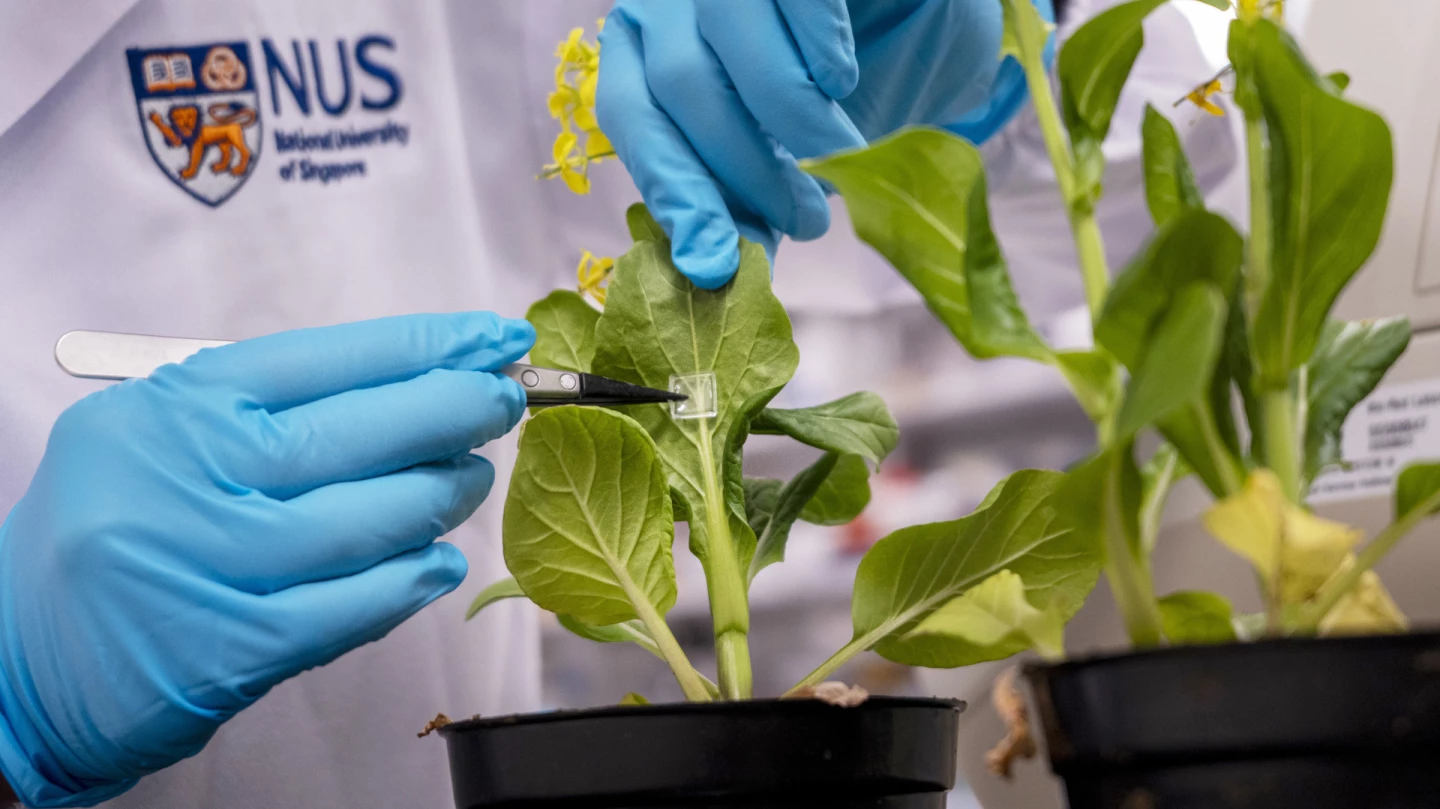
Researchers at the National University of Singapore have developed an innovative technique known as microneedling, which holds the potential to significantly enhance plant growth while simultaneously reducing fertilizer waste. This breakthrough could transform agricultural practices for both home gardeners and commercial farmers, addressing a growing need for more efficient and sustainable farming methods.
Revolutionizing Agricultural Practices
The microneedling technique involves the use of tiny needles to create microchannels in plant tissues. According to the research team, these microchannels enable more efficient nutrient absorption, allowing plants to utilize fertilizers more effectively. This method not only promotes faster growth but also lessens the overall amount of fertilizer needed, thereby minimizing environmental impact.
Preliminary trials have shown promising results, with plants treated through this method exhibiting significantly enhanced growth rates compared to those that received traditional fertilization. The researchers reported that the microneedling technique could potentially increase crop yields by up to 30%, a substantial improvement that could benefit food production worldwide.
Addressing Environmental Concerns
Fertilizer runoff is a critical environmental issue, often leading to water pollution and negative impacts on local ecosystems. The introduction of microneedling could play a vital role in mitigating these effects. By optimizing nutrient delivery directly into the plant’s system, less fertilizer is required, which could reduce the risk of harmful runoff significantly.
The National University of Singapore team emphasizes that this innovative approach could be particularly beneficial in regions where soil quality is poor or where farming conditions are challenging. With global population growth and rising food demand, methods that enhance agricultural efficiency are imperative.
As the research progresses, the team plans to explore the application of microneedling across various types of crops, assessing its versatility and effectiveness. This breakthrough has the potential to transition from laboratory studies to practical applications in the field within a few years.
In conclusion, the microneedling technique developed by researchers at the National University of Singapore represents a significant advancement in agricultural science. By enabling greater crop yields and reducing fertilizer waste, this method could pave the way for more sustainable farming practices, ultimately contributing to global food security.













Revolutionary Photonic Ski-Jump Could Miniaturize LiDAR Systems

Couples Detox from Plastics in New Netflix Doc: Can It Boost Fertility?

Aventon Launches Affordable Full-Suspension Electric Mountain Bike

Discover Eight Must-Try Restaurants This Spring Season

UC Irvine Team Unveils Innovative Ion Pump for Water Treatment

One-Third of Americans Trim Daily Expenses for Healthcare Needs

Apple Secures First Oscar in Three Years with F1: The Movie

Fourth Graders Celebrate St. Patrick’s Day with Creative Weather Drawings

Kim Kardashian Dazzles at Vanity Fair Oscars Party 2026

Nostradamus’ 2026 Predictions: Star Death and Dark Events Loom

Breakthroughs and Challenges Await Science in 2026

OpenAI to Implement Age Verification for ChatGPT by December 2025

Electric Moto Influencer Surronster Arrested in Tijuana

Discover the Top 10 Calorie Counting Apps of 2025

Bella Hadid Shares Health Update After Treatment for Lyme Disease

Analysts Project Stronger Growth for Apple’s iPhone 17 Lineup

Top 10 Penny Stocks to Watch in 2026 for Strong Returns

Japanese Study Finds Rose Oil Can Increase Brain Gray Matter
-
 Science3 months ago
Nostradamus’ 2026 Predictions: Star Death and Dark Events Loom
-
 Science3 months ago
Breakthroughs and Challenges Await Science in 2026
-
 Technology4 months ago
OpenAI to Implement Age Verification for ChatGPT by December 2025
-
 Technology6 months ago
Electric Moto Influencer Surronster Arrested in Tijuana
-
 Technology8 months ago
Discover the Top 10 Calorie Counting Apps of 2025
-
 Health6 months ago
Bella Hadid Shares Health Update After Treatment for Lyme Disease
-
 Health6 months ago
Analysts Project Stronger Growth for Apple’s iPhone 17 Lineup
-
 Technology3 months ago
Top 10 Penny Stocks to Watch in 2026 for Strong Returns
-
 Health7 months ago
Japanese Study Finds Rose Oil Can Increase Brain Gray Matter
-

 Science5 months ago
Starship V3 Set for 2026 Launch After Successful Final Test of Version 2
-

 Education7 months ago
Harvard Secures Court Victory Over Federal Funding Cuts
-

 Technology3 weeks ago
Nvidia GTC 2026: Major Announcements Expected for AI and Hardware